Au nom des jaguars
Overview
No overview summary available for this movie.
Key Film Crew
Production Stats
You May Also Like

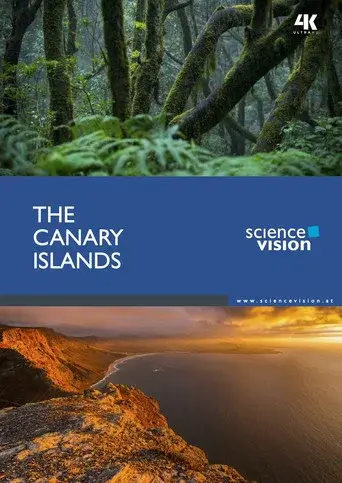
There are few places on earth that have such a diverse variety of terrain and range of climates concentrated in a relatively small area - temperate coastline, scorching arid deserts and tundra, tropical rainforests and frozen snowcapped mountains. And there are few places that are as heavily exploited by humans, yet remain a wilderness.
The Canary Islands






Eye of the Pangolin is the story of two men on a mission to get all four species of African pangolin on camera for the very first time. As they travel the continent to learn more about those caring for and studying pangolins they are captivated by these strange, secretive creatures and document the race to save them from being poached to extinction. The film was released Endangered Species Day in May 2019 and our goal is to make it the most watched wildlife documentary ever. Therefore we've made it freely available as an open source documentary, accessible for viewing by millions of people around the world via YouTube, through educational establishments and at screenings supported by international conservation organisations everywhere.
Eye of the Pangolin
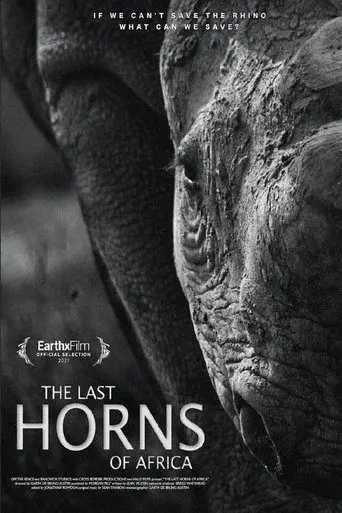
Long a target for poachers, the rhino has been hunted for their horns across Africa. In The Last Horns of Africa, debut documentary feature director Garth De Bruno Austin follows those who are putting their lives on the line to protect the animal, from a hidden rhino orphanage to the Kruger National Park. With unparalleled access the filmmakers have created a compelling documentary that explores conservation, the illegal wildlife trade, and rhino poachers.
The Last Horns Of Africa
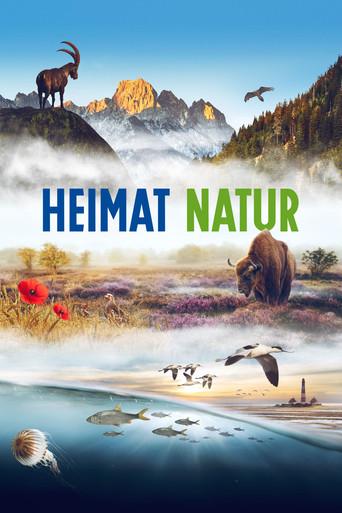
Home is where we grow up or settle permanently. And this home is always shaped by nature. Today, we human beings change and shape this more than any law of nature. HEIMAT NATUR is a visually stunning journey through the nature of our homeland, from the peaks of the Alps to the coasts and the depths of the North and Baltic Seas. In between is a cinematic foray through steaming forests, shimmering moors, over rose-blossoming heaths and the colorful cultural landscape around our villages and towns. In extraordinary images this nature is shown from its most beautiful side, examining the state of the native habitats. Slow-motion and time-lapse photography as well as intimate shots of familiar and unfamiliar species, some filmed for the first time, making the film a cinematic nature experience for the whole family.