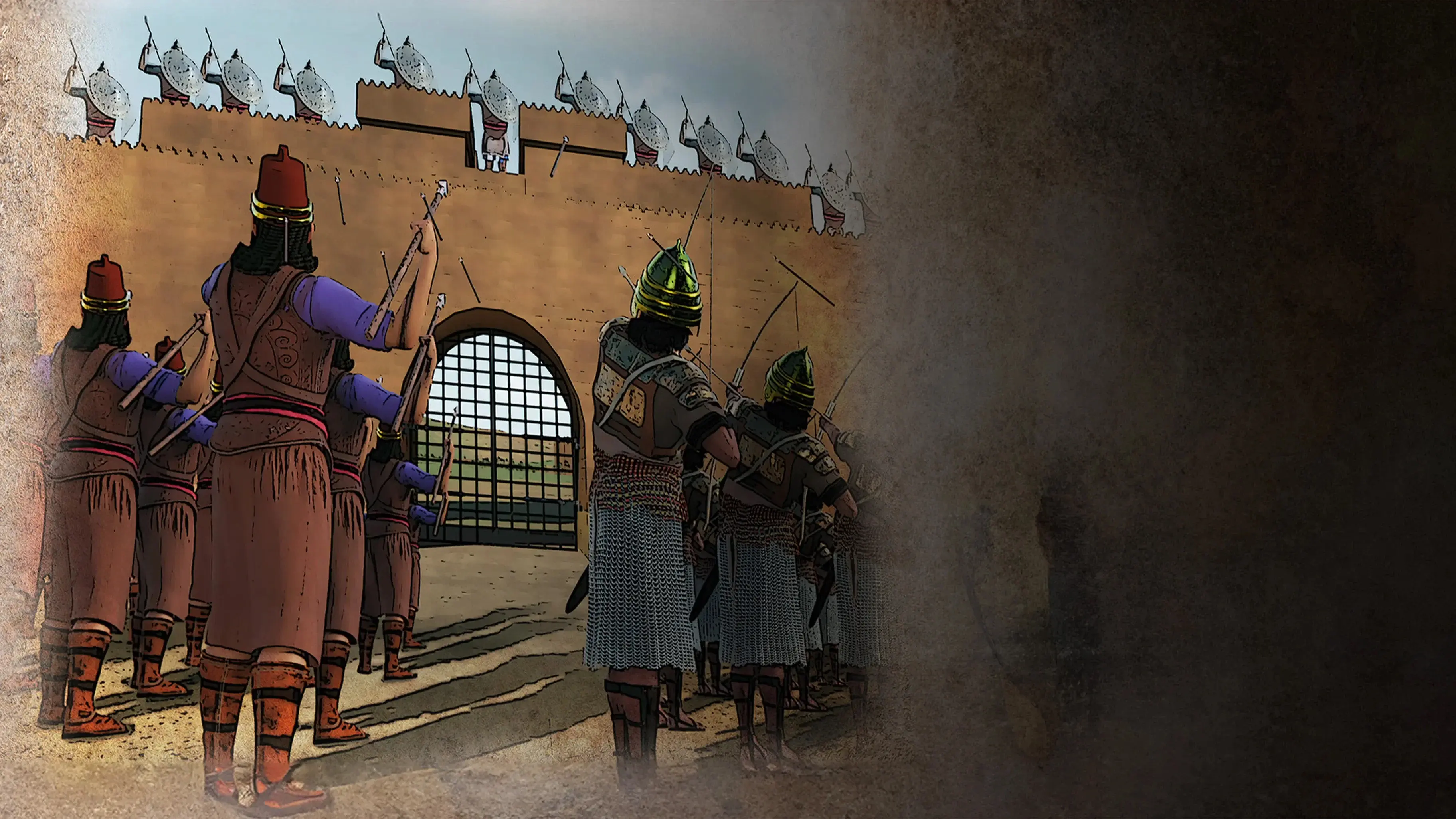

The Mystery of the Warrior Queens of Assyria
Original Title: “Le Mystère des Reines guerrières d'Assyrie”
Overview
In northern Iraq lie the ruins of a 3,000-year-old city, Nimrud, once the capital of the powerful Assyrian Empire. In 1988, archaeologists conducted excavations beneath one of the palaces and uncovered a vaulted room filled with bronze cups, lamps, and ceramic jars, which led to an untouched chamber laden with precious objects. A stone sarcophagus, still intact, contained an impressive amount of jewelry: the treasures of this burial site surpassed those found in Tutankhamun’s tomb. The bodies of two women, placed one on top of the other, were also exhumed. Presumably of high rank, who were they?
Key Film Crew
Production Stats
You May Also Like

With a wealth of fantastic archive footage and a series of revealing interviews with those who had first-hand experience, filmmaker Vicki Lesley tells the turbulent story of the West’s love-hate relationship with a nuclear power over the past seventy years. Capturing both the tantalising promise and the repeated disappointments of this singular technology, the film reveals how the post-war, romantic fantasy of an Atom-powered future developed into the stormy, on-off relationship still playing out today. A tale of scientific passion and political intrigue all wrapped up in the packaging of a sentimental screen melodrama.
The Atom: A Love Affair
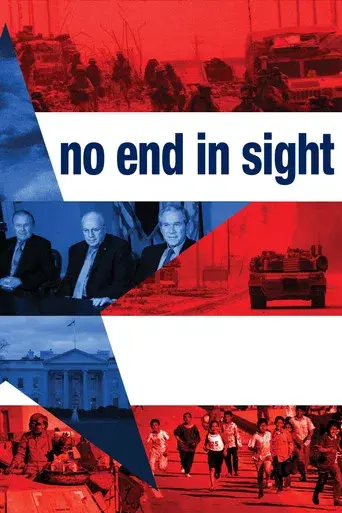
Chronological look at the fiasco in Iraq, especially decisions made in the spring of 2003 - and the backgrounds of those making decisions - immediately following the overthrow of Saddam: no occupation plan, an inadequate team to run the country, insufficient troops to keep order, and three edicts from the White House announced by Bremmer when he took over.
No End in Sight

Michael Moore's view on how the Bush administration allegedly used the tragic events on 9/11 to push forward its agenda for unjust wars in Afghanistan and Iraq.
Fahrenheit 9/11
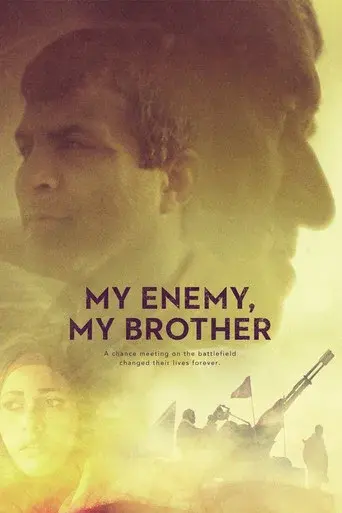
The eight-year Iran-Iraq War was one of the most brutal conflicts to devastate the region in the 20th century. Zahed was 13 years old when he enrolled in the Iranian army. Najah was 18 when he was conscripted into the Iraqi army, and he fought against Zahed in the Battle of Khorramshahr. Fast forward 25 years, a chance encounter in Vancouver between these two former enemies turns into a deep and mutually supportive friendship. Expanded from the 2015 short film by the same name.
My Enemy, My Brother

A documentary of insect life in meadows and ponds, using incredible close-ups, slow motion, and time-lapse photography. It includes bees collecting nectar, ladybugs eating mites, snails mating, spiders wrapping their catch, a scarab beetle relentlessly pushing its ball of dung uphill, endless lines of caterpillars, an underwater spider creating an air bubble to live in, and a mosquito hatching.
Microcosmos


A variety of scientific subjects, including the laboratory of a plastic surgeon in London, and his method for applying permanent makeup; a new school for kiddies employing finger paint so they can express their urge to put things on paper; Army aviation, showing the latest development in blind landing. Produced in Cinecolor.
Popular Science J-8-1
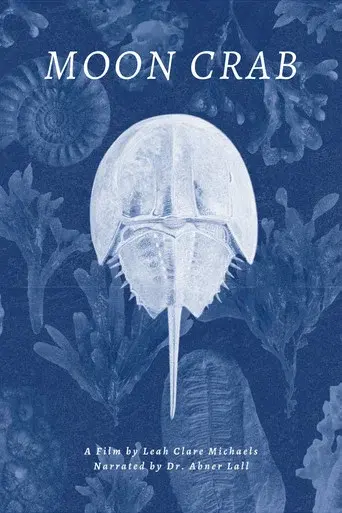
Moon Crab is a meditation on the horseshoe crab, one of Earth's oldest living species now struggling with extreme population decline. Blending reflections on nature's cycles with experimental visuals, the film employs an array of techniques, including eco-processed film developed with seaweed, to immerse the viewer in the crab's subaquatic world. Narrated with intimate depth by physiologist Dr. Abner Lall, the filmmaker’s neighbor, this documentary captures a timeless story of resilience and fragility, urging us to reconsider our connection to the natural world.
Moon Crab


The film discusses the evolution and potential of using light waves, particularly coherent light, for communication. It highlights the development of lasers at Bell Telephone Laboratories, explaining how they produce a highly controlled and intense beam of light that could revolutionize communication. The film emphasizes the vast possibilities of lasers, including applications in telecommunications, surgery, and exploring the universe, suggesting that this technology represents a significant step in humanity's understanding and use of light.
The Conquest of Light


Iran, January 16th, 1979. Shah Mohammad Reza Pahlavi flees after being overthrown. Ayatollah Khomeini returns to Tehran and proclaims the Islamic Republic on April 1st, 1979. In the same year, Saddam Hussein seizes power in Iraq and, after several border skirmishes, attacks Iran on September 22nd, 1980, initiating a cruel war that will last eight years. Since its outbreak, correspondent Saeid Sadeghi documented it from its beginning to its bitter end.
Stronger Than a Bullet

In this two-part Channel 4 series, Professor Richard Dawkins challenges what he describes as 'a process of non-thinking called faith'. He describes his astonishment that, at the start of the 21st century, religious faith is gaining ground in the face of rational, scientific truth. Science, based on scepticism, investigation and evidence, must continuously test its own concepts and claims. Faith, by definition, defies evidence: it is untested and unshakeable, and is therefore in direct contradiction with science. In addition, though religions preach morality, peace and hope, in fact, says Dawkins, they bring intolerance, violence and destruction. The growth of extreme fundamentalism in so many religions across the world not only endangers humanity but, he argues, is in conflict with the trend over thousands of years of history for humanity to progress to become more enlightened and more tolerant.
Root of All Evil?
At Arcata, California, testing technology for landing planes in fog. Also: a high-tech barber shop in Westwood Village, California; manufacture of precision steel gauge blocks in Eskilstuna, Sweden.