
Overview
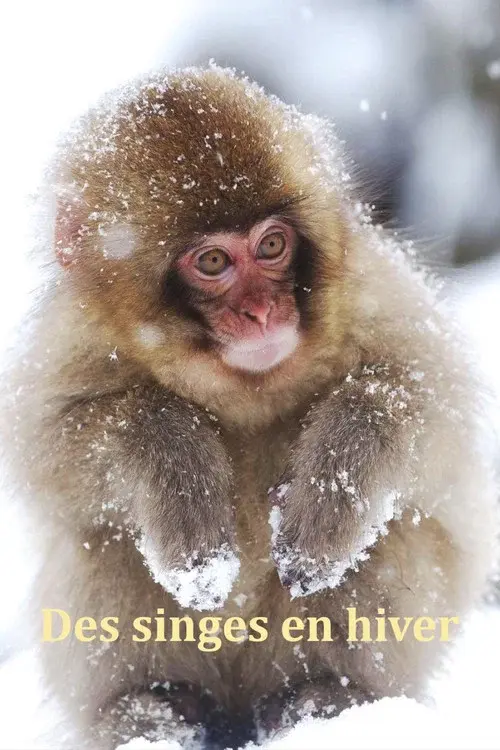
The image of “snow monkeys” submerged in a hot spring as snow falls around them is iconic. These are Japanese macaques, the northernmost population of monkeys in the world. Highly adaptable, they are the only primates to inhabit environments that range from low coastal plains to mountainous areas 3,000 meters above sea level, with temperatures that can drop to -30 degrees Celsius. How is this single species of macaque able to thrive in such widely diverse habitats? Shot in beautiful 4K UHD, the cameras travel through Japan to capture unique monkey groups displaying different localized food habits, including a world-first footage of monkeys catching live fish as well as how such new behaviors spread among individuals in the pack.
Key Film Crew
Production Stats
You May Also Like


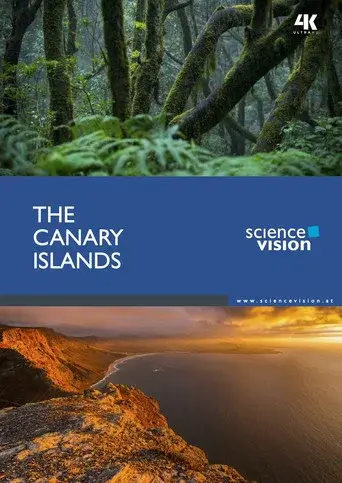
There are few places on earth that have such a diverse variety of terrain and range of climates concentrated in a relatively small area - temperate coastline, scorching arid deserts and tundra, tropical rainforests and frozen snowcapped mountains. And there are few places that are as heavily exploited by humans, yet remain a wilderness.
The Canary Islands

Kazuo Hara follows Ayumi Yasutomi, a transgender candidate, who is also a Tokyo University professor, as she embarks on a national campaign for a seat in Japan's Upper House.
Reiwa Uprising

Using never-before-seen footage, Japan's War In Colour tells a previously untold story. It recounts the history of the Second World War from a Japanese perspective, combining original colour film with letters and diaries written by Japanese people. It tells the story of a nation at war from the diverse perspectives of those who lived through it: the leaders and the ordinary people, the oppressors and the victims, the guilty and the innocent. Until recently, it was believed that no colour film of Japan existed prior to 1945. But specialist research has now unearthed a remarkable colour record from as early as the 1930s. For eight years the Japanese fought what they believed was a Holy War that became a fight to the death. Japan's War In Colour shows how militarism took hold of the Japanese people; describes why Japan felt compelled to attack the West; explains what drove the Japanese to resist the Allies for so long; and, finally, reveals how they dealt with the shame of defeat.
Japan's War in Colour

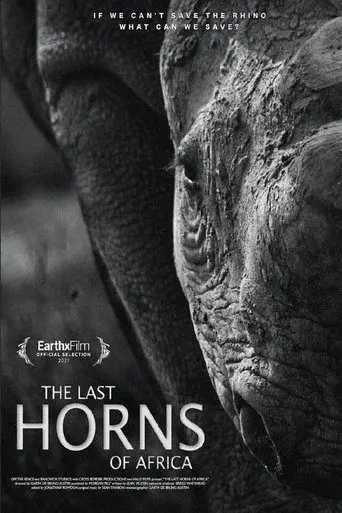
Long a target for poachers, the rhino has been hunted for their horns across Africa. In The Last Horns of Africa, debut documentary feature director Garth De Bruno Austin follows those who are putting their lives on the line to protect the animal, from a hidden rhino orphanage to the Kruger National Park. With unparalleled access the filmmakers have created a compelling documentary that explores conservation, the illegal wildlife trade, and rhino poachers.
The Last Horns Of Africa

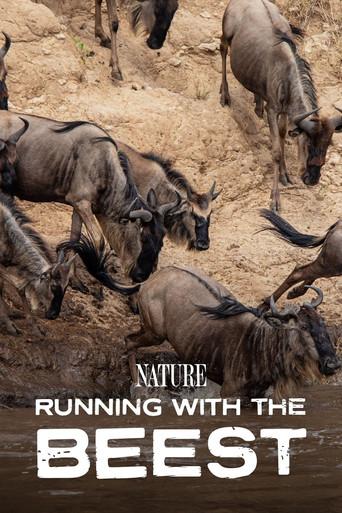
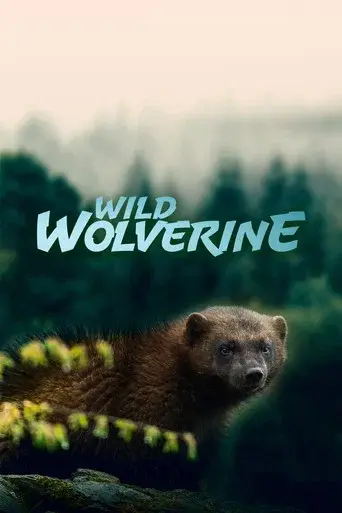
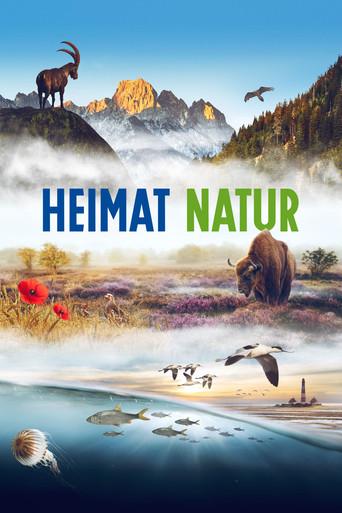
Home is where we grow up or settle permanently. And this home is always shaped by nature. Today, we human beings change and shape this more than any law of nature. HEIMAT NATUR is a visually stunning journey through the nature of our homeland, from the peaks of the Alps to the coasts and the depths of the North and Baltic Seas. In between is a cinematic foray through steaming forests, shimmering moors, over rose-blossoming heaths and the colorful cultural landscape around our villages and towns. In extraordinary images this nature is shown from its most beautiful side, examining the state of the native habitats. Slow-motion and time-lapse photography as well as intimate shots of familiar and unfamiliar species, some filmed for the first time, making the film a cinematic nature experience for the whole family.
Homeland Nature
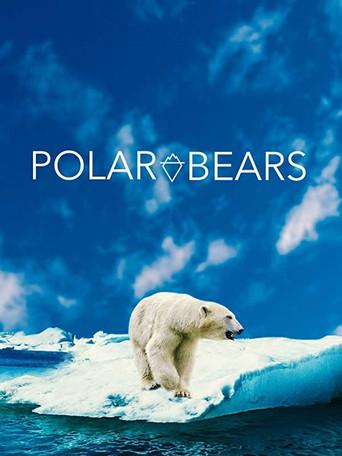
The ultimate icons of the polar wilderness able to withstand the harshest environments and remain a top predator; the lives of polar bears are nothing short of remarkable!
Polar Bears
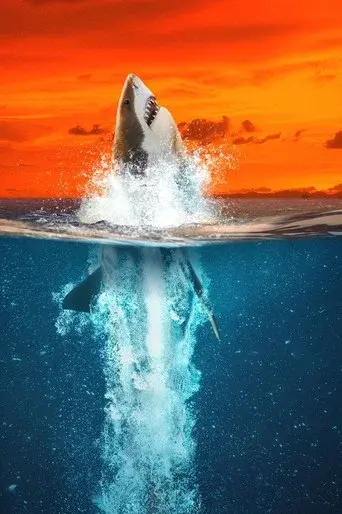
The Air Jaws team, Chris Fallows, Alison Towner, Dickie Chivell and Enrico Gennari record the breaching behavior of multiple great white sharks off the coast of South Africa, looking to learn which animal is the best hunter.
Air Jaws: Going for Gold
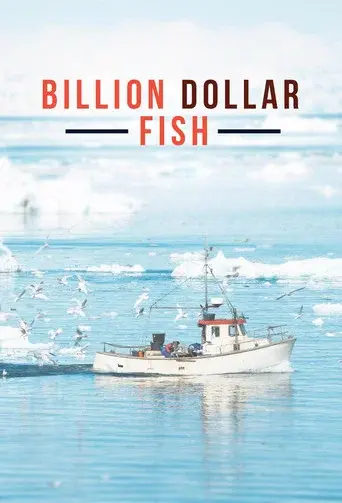
The River Danube is home to a fish that grows larger than the Great White Shark. Although it leads a secretive life, the Beluga Sturgeon – the King of the Danube – produces the most prized food in the whole world. For over 200 million years, the 8-metre long fish had no enemies, and yet today it is on the verge of extinction. Evolution did not prepare the fish for pollution, river regulation and overfishing. Beluga caviar is traded for up to 20,000 dollars per kilogramme. Ironically, the high price of this precious product could save the animals from a premature disappearance from planet earth.
Billion Dollar Fish
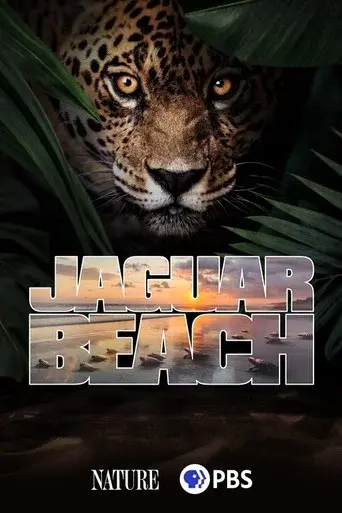
In a remote region on the Pacific coast of Costa Rica, a lush landscape characterized by volcanoes meets tropical dry forest. Right there is a very special beach where two completely different species meet: sea turtles and jaguars. This has spectacular consequences for both sides and their environment. The two animals form an alliance that is as surprising as it is unintentional. The predator suddenly becomes a protector.
