Overview
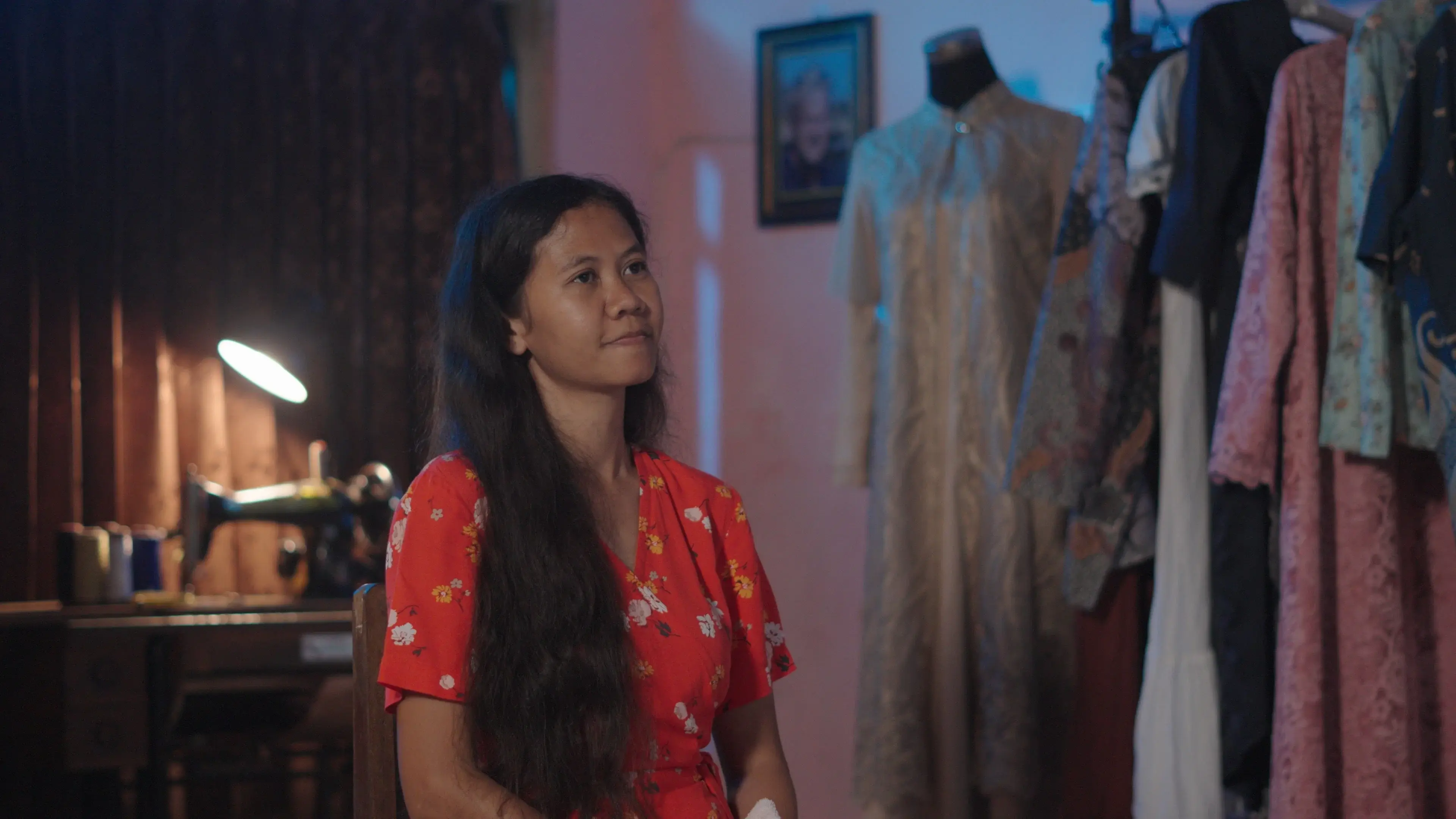
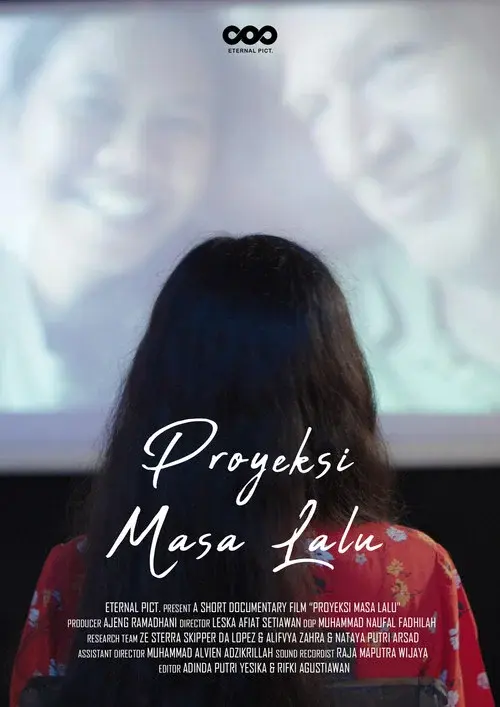
Kurnia, a 37-year-old woman, returns to face her past memories through projected images that bring both emotion and sorrow. On this journey, she recounts the stories of love, acceptance, separation, and regret that shaped who she is today. Remininsing her memories, Kurnia slowly finds the strength to let go of her attachment to the past and attain a sense of acceptance.
Top Cast

Kurniawati
NARASUMBER
Key Film Crew
Production Stats
You May Also Like


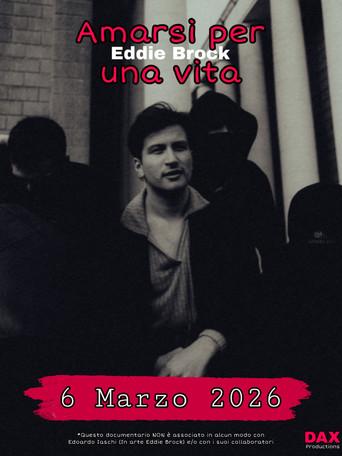
Edoardo Iaschi (known as Eddie Brock) is an Italian indie singer born and raised in Rome. When his song “Non è mica te” unexpectedly goes viral on TikTok, Edo is thrust into the spotlight and forced to confront the realities of adulthood, fame, and a world far bigger than he ever imagined…
Loving forever
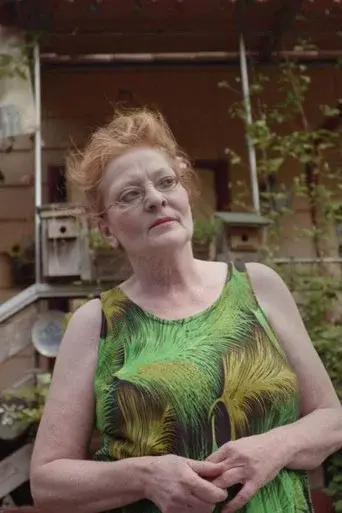
Annedore takes care of orphan birds. They give her that which humans througout her turbulent life could never give her: love.
Bird Woman
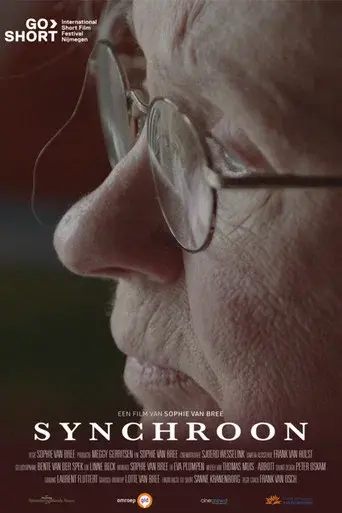
SYNCHRONOUS is an intimate portrait of love and the reverse side of love: mourning. The granddaughter/maker looks idealistically at the endless love between her grandfather and grandmother. When her grandfather dies, she decides to look for answers by filming her grandmother. What happens when you've been together all your life and your great love dies? Where is the love then?
SYNCHRONOUS

The filmmaker's mother describes stories of his lustful youth over the phone, causing them to reflect on his current love life at the age of 30.
Horny Kid - A film essay
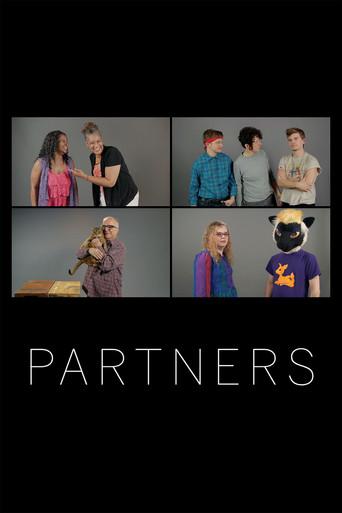
18 partners discuss the choices they’ve made in deciding on their mates. At its heart, this unscripted documentary film is about acceptance; a gentle message that we shouldn’t judge the choices of others, even if they seem a little different.
Partners

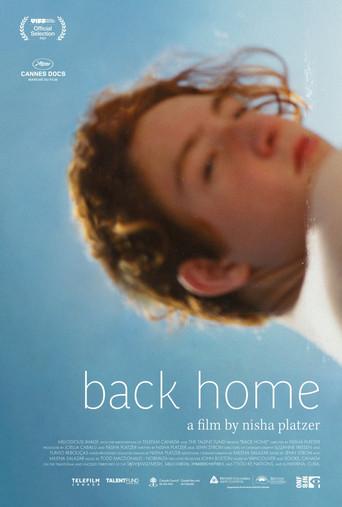
In 1999, 11-year-old Nisha Platzer lost her older brother, Josh, to suicide. Twenty years later, her search for a specialized medical treatment leads her to the door of someone who was once exceptionally close to Josh. And so it is that she finally has the chance to truly know her brother through his chosen family. Captured over five years in which synchronicities continually manifested, Platzer’s documentation of these encounters gently asserts that both grieving and healing are meant to be communal experiences.
back home
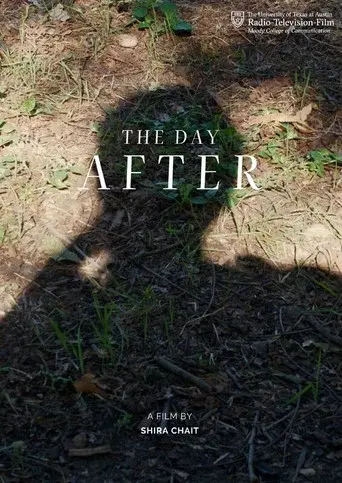
A terrorist attack hits Shira's homeland shortly after she moves to the United States. Picking up a camera, she looks for ways to cope with the tragedy, thousands of miles away from those she loves and lost.
The Day After

The documentary takes the viewer to the Polish countryside of the mid-1970s. Andrzej, Leszek, Eugeniusz, Ryszard and Jerzy are young men who dream of finding their other half. The film's protagonists have advertised in newspapers and talk frankly and without inhibition about their search and the dilemmas it involves. The picture is complemented by the statements of their parents, who watch their sons' efforts to start a family with love but also concern. The film also gives an insight into the problems farmers face - not only love but also hard work on the land awaits the chosen one of their hearts. "Either get married or quit this farm", "What's one to do on a farm?" - say the characters in the film. The countryside is not a place made for living alone.
It's Hard By Oneself...

Augusto and Paulina have been together for 25 years. Eight years ago, he was diagnosed with Alzheimer's disease. Both fear the day he no longer recognizes her.
The Eternal Memory
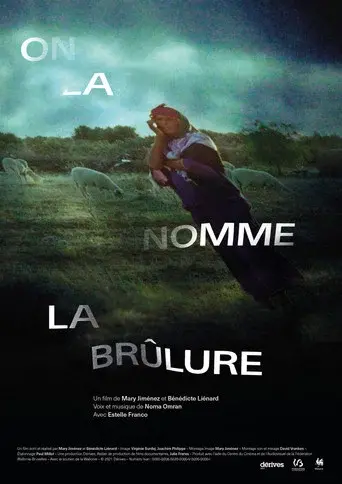
One night, nine children from the same Tunisian village attempt the deadly crossing. Like a poem or a prayer, this film welcomes the words of bereaved mothers and gives dignity to their grief.
Call it the burning
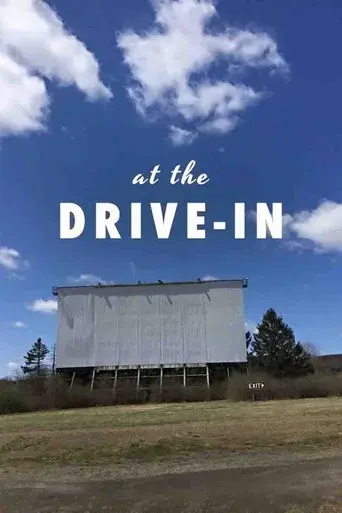
Unable to purchase a $50,000 digital projector, a group of film fanatics in rural Pennsylvania fight to keep a dying drive-in theater alive by screening only vintage 35mm film prints and working entirely for free.
At the Drive-In

As a “spiritual follow-up” to 'Fin', 'Death Boom' “pulls back the curtain on the catastrophic mental and environmental impacts of the contemporary death care industry. The film, shown through the lens of the workers at the heart of it as they prepare for the passing of 77 million baby boomers, exposes the toll that embalming, cremation, and traditional burial have on those who’ve passed, their families, and deathcare workers, and the corruption – political, religious, and corporate – that stands in opposition to greener methods being nationally legalized and accessible.”
