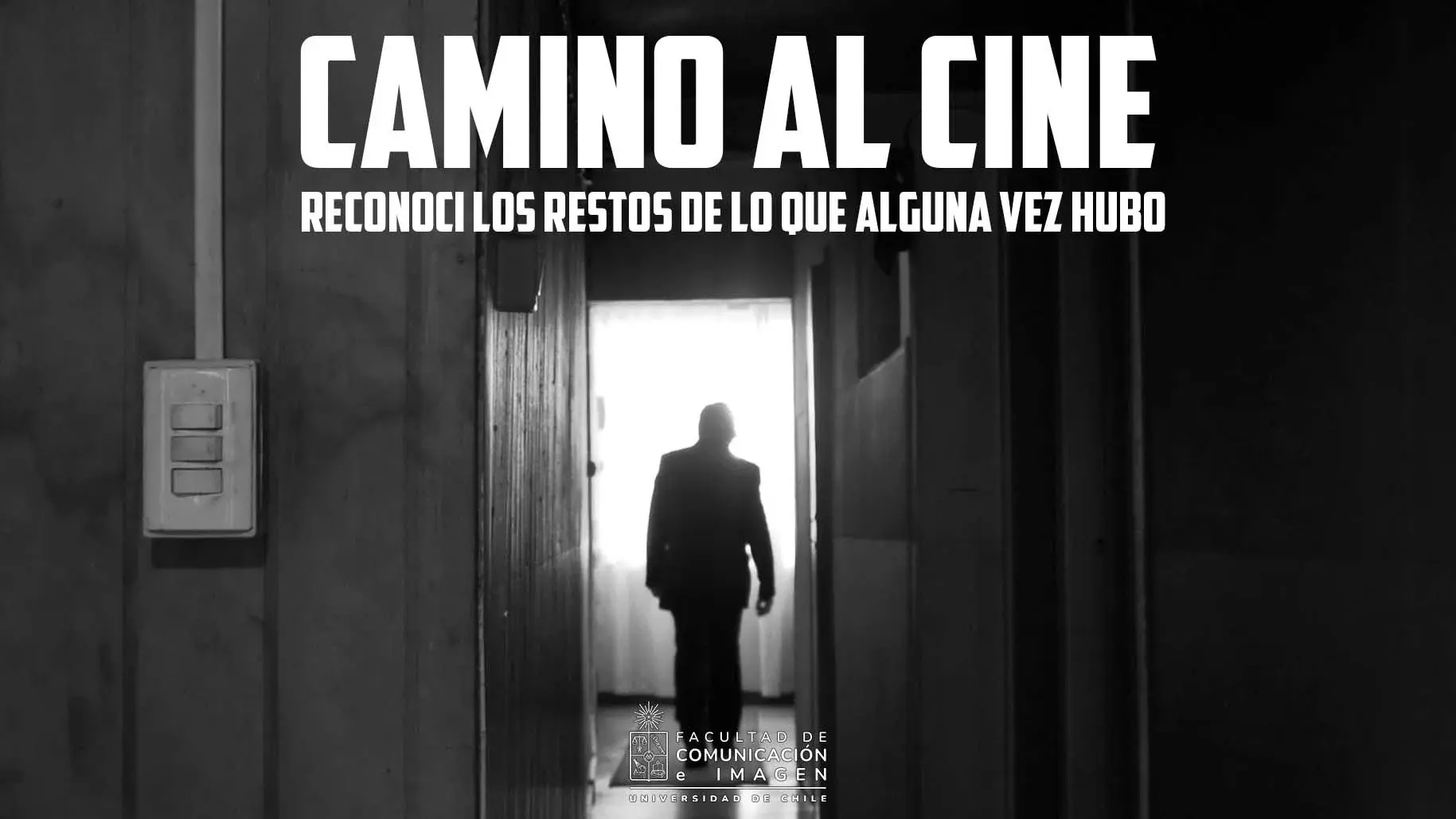

On my way to the cinema I recognised the remains of what once was
Original Title: “Camino al cine reconocí los restos de lo que alguna vez hubo”
Overview
In Cañete there was a large movie theater in the center of town until the 1980s. At that time many things still worked. From a child's point of view, the short film transports us to an ordinary afternoon in Cañete, when people still happily went to the movies despite how difficult life was.
Top Cast

Benjamín Soto
Narrador
Benjamín Soto
Hombre que va al cine
Key Film Crew
Production Stats
You May Also Like
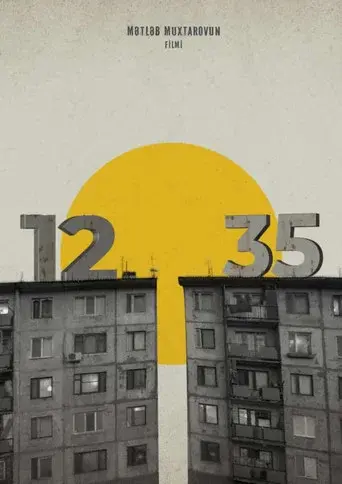
This film explores the lives of those men and the memories of those left behind: the childhoods they shared and the choices they made. These men, now in their 60s, reflect on what has happened to their generation, why most of their friends and relatives died so young and how this particular apartment block captures the story of a whole generation. The voices and lives of the departed are included in clips from amateur videos from the 1990s. Set against the background of old friends’ attempt to understand their deaths, this film is about nostalgia and how memories kindle a special kind of love for home.
12/35

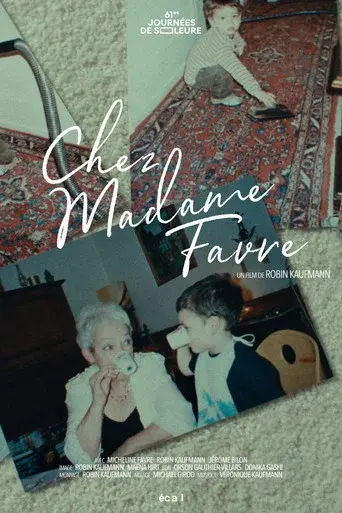
In a nursing home, a young man visits his grandmother. As she constantly repeats that she wants to go home, his grandson visits her now empty apartment, seeking to capture memories of a fading past.
Madame Favre's


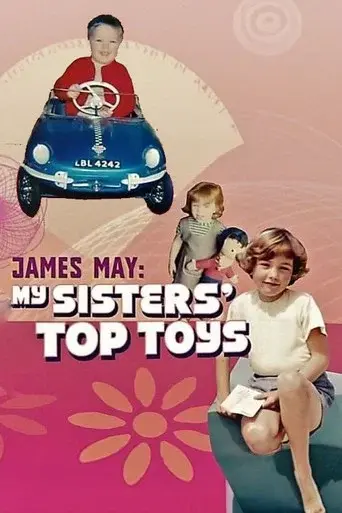
Our favourite childhood toys spark powerful nostalgic feelings. When explored further, these feelings can have great influence over our lives by bringing us joy in an increasingly complex world.
Playtime: The Movie


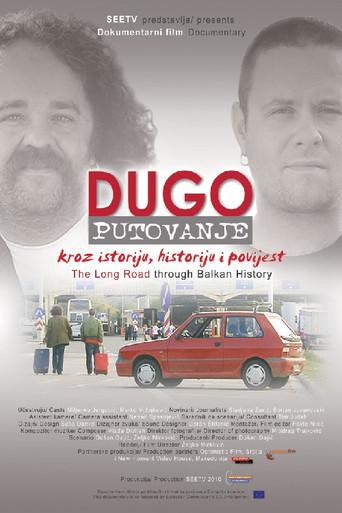
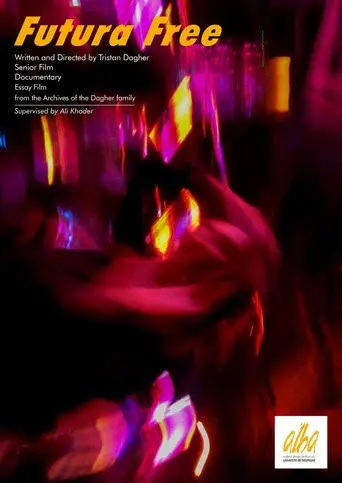
An experimental odyssey through altered realities and reconstructed archives, where wandering voices of the past, present, and future unravel the elusive nature of time and memory.
Futura Free

All the stories told, all the memories, dreams and lost moments were left in a tank from other generations.
BULIR


A sweet documentation of the snow on March 2nd 2024, and the nostalgia that came along with it.
‘I smell snow’

After a premonition of an unusual bird, a father loses his voice. His daughter undertakes a search to rediscover him, through an intimate narrative that explores the past, the new facets and the silences of a man who is no longer the same.
Dysphonias
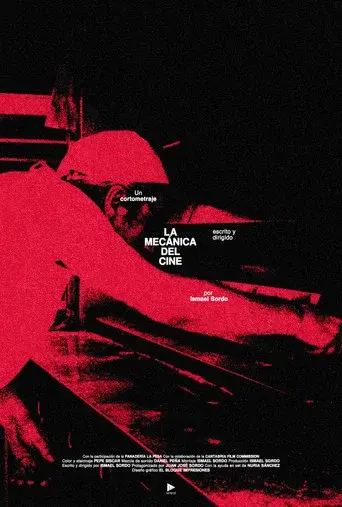
One night, in a small bakery in a village in northern Spain, we accompany a baker who, through the contrast between the noise of heavy machinery and abrupt silences, works in solitude. His son, the author of the work, depicts the process: he projects his artistic and class concerns within the world of cinema by comparing the production of bread and the mechanisms of cinematographic creation.

