Matimekush
Overview
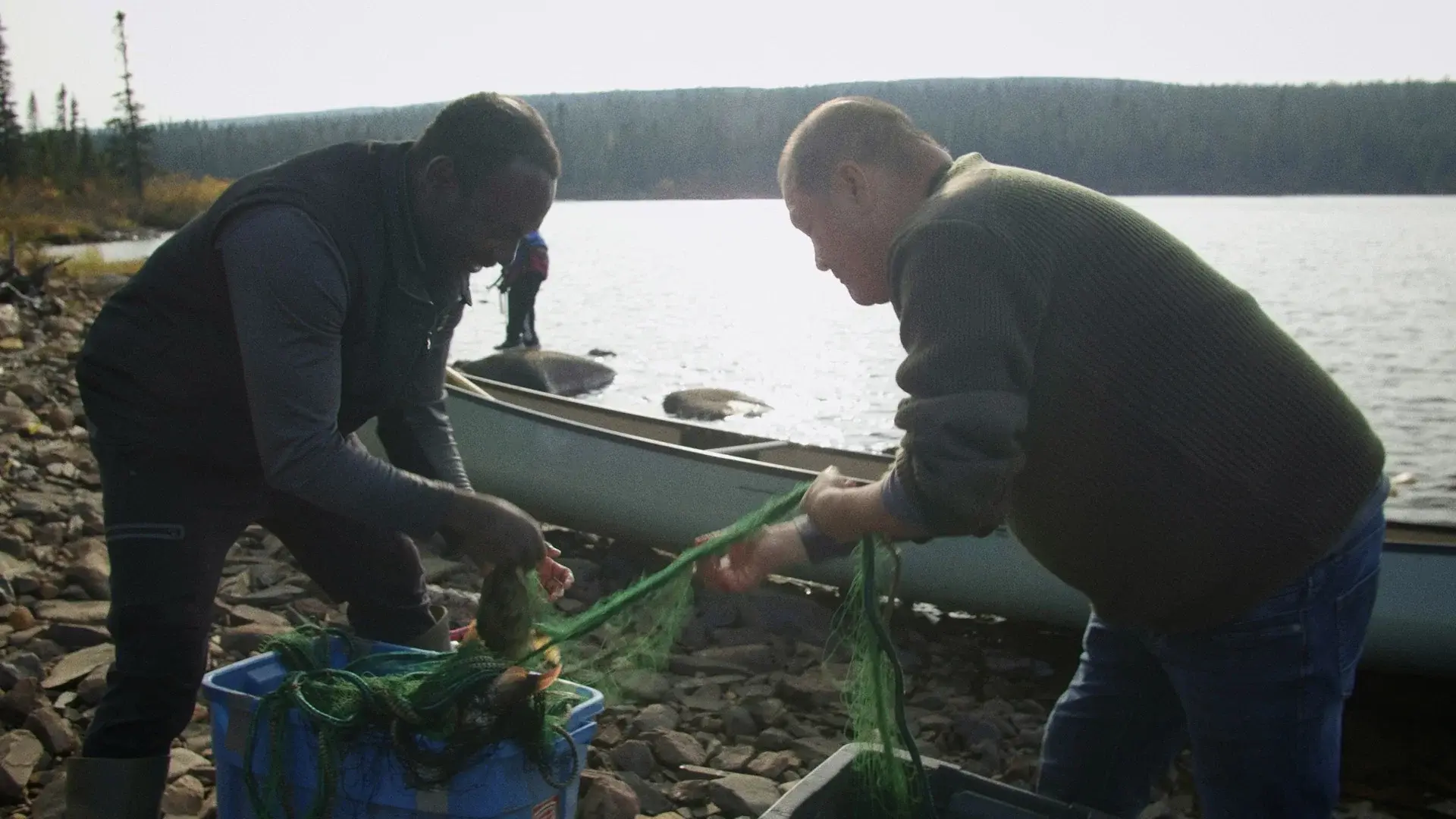
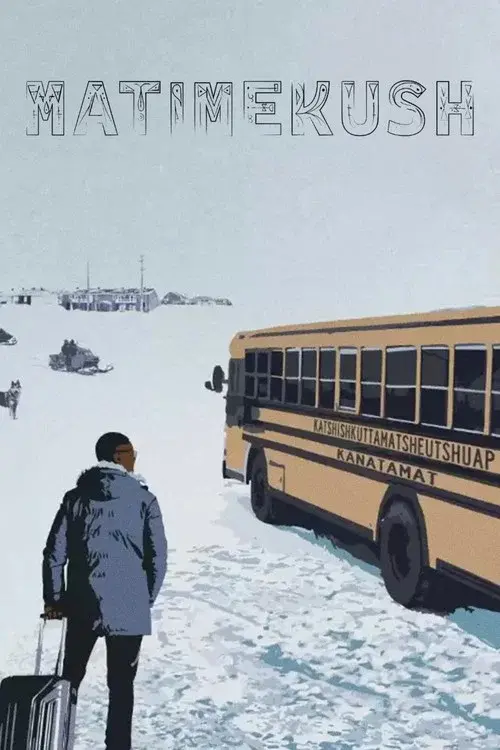
Matimekush is landlocked in the former mining town of Schefferville, 700 km north of Sept-Îles. It was founded in the 1950s, when the Canadian government and Iron Or forced the Innu to settle down. In Canada’s Far North, there is a dire labour shortage. At Kanatamat School, the heart of the community, most of the high school teachers are from Africa.
Top Cast

Conrad André
Judeleine Duréna
Kalhid El Fadli
Yendouban Banipo
Mohamed Ould Abdoul Aziz
Said Irène
Tawfik Dahinine
Daouda Cissé
Mbenda Cissé
Anatole Pitroipa
Pascal Foucault
Key Film Crew
Production Stats
You May Also Like
A paralysingly beautiful documentary with a global vision—an odyssey through landscape and time—that attempts to capture the essence of life.
Baraka

Documentary about the life of three families living in the city of Boa Vista, north of Brazil. Some of them look for a more intense daily life going to parties, work and dealing with family trouble, others want to get back to the tribe. Personal crises and the search for their own identity are aspects that reveal great relevance.
Filhos de Macuinaíma

As a sea nomad, Hook grew up with the ocean as his universe. Now he must make a courageous voyage to salvage the remains of his dying culture
No Word For Worry

The film looks at the impact of over-development in historic towns in Quebec’s picturesque Laurentian mountains. As big box stores and large retailers drive local merchants out of business, and foreign developers buy up huge tracts of land for resorts, local residents’ property taxes are skyrocketing. While the locals organize against expropriation by taxation, an internationally-known artist, René Derouin, adds his creative energy to protect the heritage of “Les pays d’en haut” from The Great Invasion.
The Great Invasion

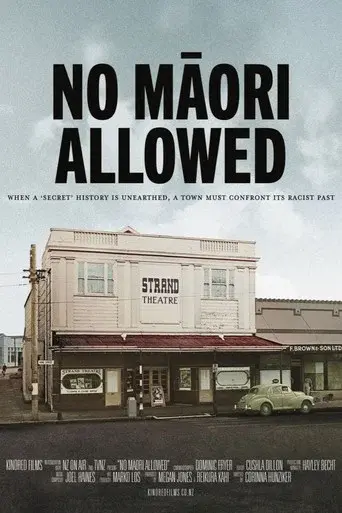
When an academic unearths a forgotten history, residents of the small township of Pukekohe, including kaumātua who have never told their personal stories before, confront its deep and dark racist past.
No Māori Allowed
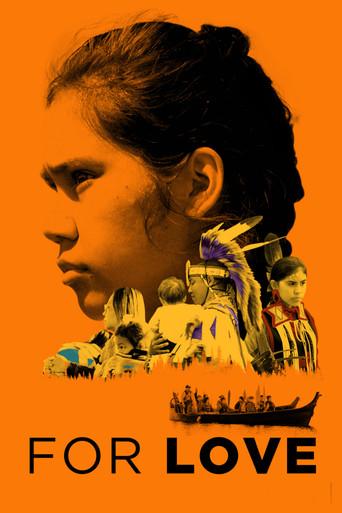
In this searing documentary, Indigenous people share heartbreaking stories that reveal the injustices inflicted by the Canadian child welfare system.
For Love
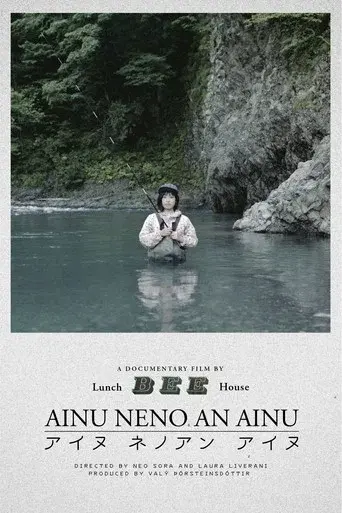
This documentary started as part of a photography project about the indigenous Ainu population in northern Japan, portraying people from tightly knit communities. They feel deeply connected by their culture and tradition. With gorgeous pictures, the directors explore how different generations of Ainu reflect on their identity after centuries of oppression.
Ainu Neno An Ainu
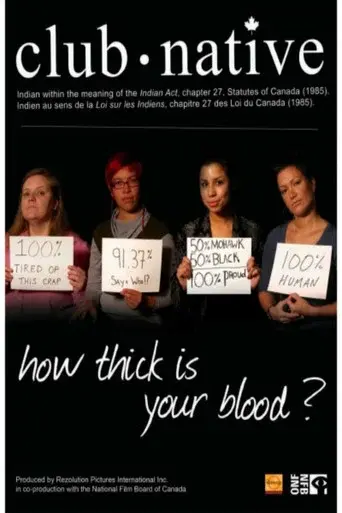
With moving stories from a range of characters from her Kahnawake Reserve, Mohawk filmmaker, Tracey Deer, reveals the divisive legacy of more than a hundred years of discriminatory and sexist government policy to expose the lingering "blood quantum" ideals, snobby attitudes and outright racism that threaten to destroy the fabric of her community.
Club Native

In 2001, the government of Quebec announced a new program to issue permits for the construction of private hydroelectric dams at specific sites. Upset, the population took things into their own hands and decided to act. Citizens formed collectives to protect their waterways, among the most beautiful in the province. This documentary follows several artist and citizen groups who led a crusade to force the Québec government to abandon private hydro-electrical production. It is a thorough inquiry on the environmental impact and other repercussions of such projects.
Silver Rivers

At the age of eight, José shows us his village, Nutashkuan, and everything he loves there.
J'aime toute
Two Lawalapiti young men from Alto Xingu learn to build a canoe from the bark of the jatobá tree, a quick and simple technique that leaves the tree still rooted and alive, and that has ceased to be used and is only known by the oldest Lawalapiti men.
Cidadão Jatobá
In this layered short film, filmmaker Janine Windolph takes her young sons fishing with their kokum (grandmother), a residential school survivor who retains a deep knowledge and memory of the land. The act of reconnecting with their homeland is a cultural and familial healing journey for the boys, who are growing up in the city. It’s also a powerful form of resistance for the women.