

Overview
The short history of a room and the fiction born in it.
Top Cast

Keni Lai
Key Film Crew
Production Stats
You May Also Like

Bianca Charamsa made her way to Japan during this year's cherry blossom season to get to grips with the country's character through conversations with some of its artists. Although two violent atomic catastrophes - the bombing of Hiroshima and the Fukushima nuclear disaster - have shaken and shaped modern-day Japan, the artist Takahiro Iwasaki believes that memory of 6th and 9th August 1945 is slowly fading, despite all the folded cranes left by visitors to the memorial sites. Natural catastrophes like sea- and earthquakes also rock Japan time and time again; perhaps this explains why the Japanese aesthetic Wabi Sabi incorporates both beauty and decay...much like the beauty of the cherry blossom as it withers during the annual festival of Hanami
Empire of Mirrors

In this tape, Ko Nakajima and Video Earth Tokyo interview a homeless man. The subject is initially angry and frustrated, but gradually opens up and shares stories about his life. Under A Bridge was later broadcast on cable television.
Under a Bridge


In Japan, more than four million young people survive by taking on precarious jobs. They are called “freeters”. The film gives voice to these “discard-after-use” workers, who regard their situation with both lucidity and desperation, as well as to ex-freeters who have become activists in the fight against exclusions.
Tokyo Freeters



Crazy cat lady or world-class musician? You decide. Dorian Rence smashes our notions of what matters and who counts in "Feral Love." Dorian was the seventh woman to join the New York Philharmonic. In her 40-year career she has performed with all the greats: Leonard Bernstein, Pierre Boulez, Zubin Mehta, Yo Yo Ma to name a few. And she cares for a feral cat colony in the tunnels of New York City.
Feral Love
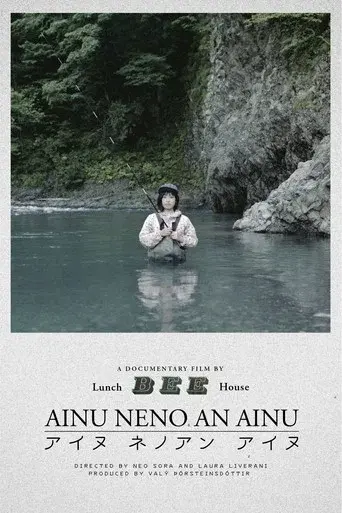
This documentary started as part of a photography project about the indigenous Ainu population in northern Japan, portraying people from tightly knit communities. They feel deeply connected by their culture and tradition. With gorgeous pictures, the directors explore how different generations of Ainu reflect on their identity after centuries of oppression.
Ainu Neno An Ainu

Using never-before-seen footage, Japan's War In Colour tells a previously untold story. It recounts the history of the Second World War from a Japanese perspective, combining original colour film with letters and diaries written by Japanese people. It tells the story of a nation at war from the diverse perspectives of those who lived through it: the leaders and the ordinary people, the oppressors and the victims, the guilty and the innocent. Until recently, it was believed that no colour film of Japan existed prior to 1945. But specialist research has now unearthed a remarkable colour record from as early as the 1930s. For eight years the Japanese fought what they believed was a Holy War that became a fight to the death. Japan's War In Colour shows how militarism took hold of the Japanese people; describes why Japan felt compelled to attack the West; explains what drove the Japanese to resist the Allies for so long; and, finally, reveals how they dealt with the shame of defeat.
Japan's War in Colour
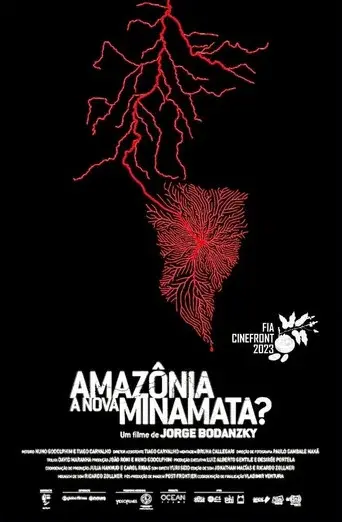


The Cove tells the amazing true story of how an elite team of individuals, films makers and free divers embarked on a covert mission to penetrate the hidden cove in Japan, shining light on a dark and deadly secret. The shocking discoveries were only the tip of the iceberg.
The Cove

This is the story of Kaori Kawabuchi, a samurai sword performer, singer and motion capture actor. An inspiring woman keeping alive ancient traditions and spirituality in modern Japan.
Lady Samurai
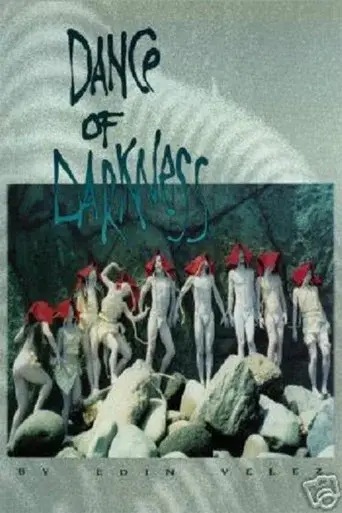
The dark sensibilities and cultural resonances of Butoh, the radical Japanese dance movement, are explored in this multilayered work. Profoundly rooted in both traditional and contemporary Japanese culture, Butoh arose in a spirit of revolt in the early 1960s. Characterized by frank sexuality and bodily distortions, Butoh transforms traditional dance movements into new forms, stripping away the taboos of contemporary Japanese culture to reveal a secret world of darkness and irrationality.
Dance of Darkness

This work is a representation of the deterioration of the first love of Nakano Eiji. He uses a psychedelic effect to represent the deterioration.
