Who Named the Lily?
Overview
‘Who Named the Lily?’ celebrates and laments the complicated history of the Crystal Palace. Monster Chetwynd plays the ‘Fact Hungry Witch’, who explores the story of the Amazonian waterlily, and reveals its links to engineering. The artwork brings to light the politics of Paxton’s developments in industry and architecture, however, the protagonist of this story is the waterlily – a catalyst for ground-breaking technological advancement.
Top Cast

Ray Mwanahiba
Himself
Monster Chetwynd
Hungry Witch
Antoine Picon
Himself
Adam Hart-Davis
Himself
Idris Kebe
Narrator
Warren Oats
Narrator
Key Film Crew
Production Stats
You May Also Like
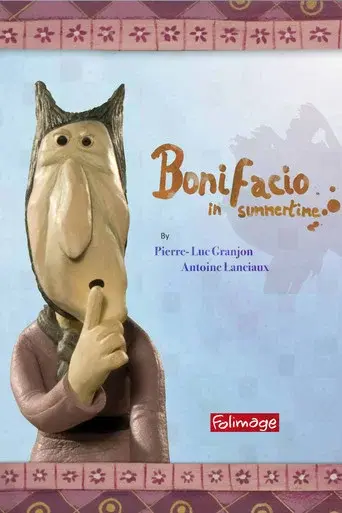
Love has packed up and left the castle. The queen has snuck back to her Kingdom of Skedaddle. But one person’s loss is a scoundrel’s gain: Bonifacio, a teller of tall tales, sees in the forlorn queen the perfect target for his hackneyed charms. As summer approaches, he changes himself into a sweet talker and sings her praises. Things would have worked out perfectly if only Princess Molly hadn’t arrived on the scene. While visiting her mother, she quickly discovers the hoax: the queen thinks she’s found a new husband in Bonifacio. But the swindling storyteller is really only interested in the kingdom’s legends.
Bonifacio in Summertime
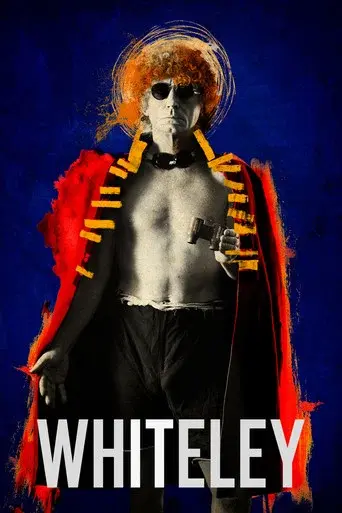
A visual journey into the life and legacy of one of Australia's most celebrated artists, Brett Whiteley.
Whiteley
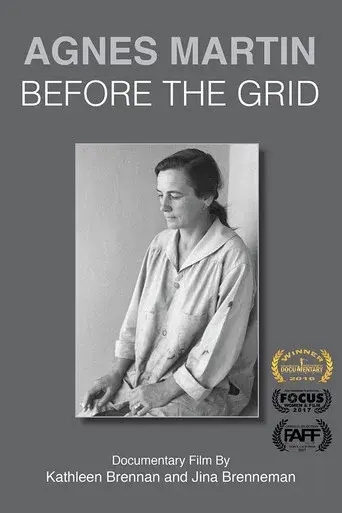

The story of a unique Georgian musician - Gia Iashvili, who makes music for the sake of creating and remains little-known in his own country.
Better Than Dog

A subway rider diligently attempts to thwart the circle thief who is taking all of the useful round objects
A Circle Thief
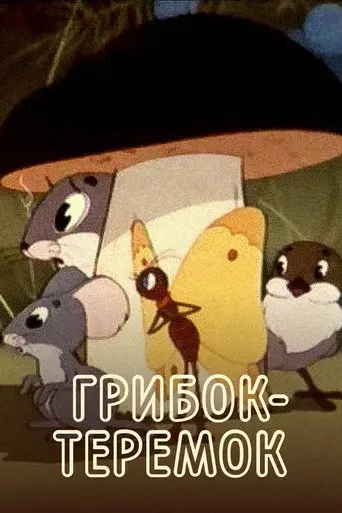
A mushroom offers the animals of the forest, an ant, a butterfly and a mouse shelter from the storm. A little rabbit, who wants to hide from the fox, also finds a place with him. The mushroom grows, stretches and stretches as it sees the good will of the other animals to help the hare.
Грибок-теремок
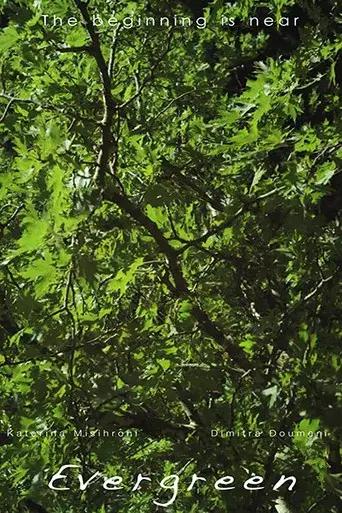
A strange woman arrives from the North to a prehistoric village bringing some bad news...
Evergreen
A short silent documentary on the making of the 1931 Abel Gance directed film, "La Fin du Monde".
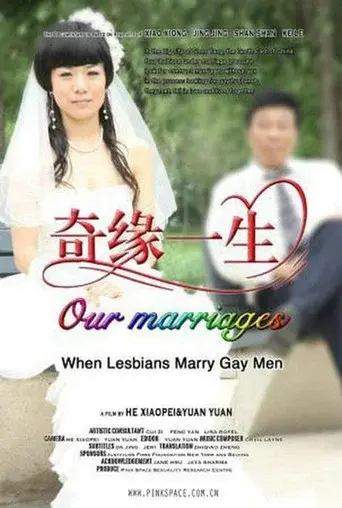
Documentary about four Chinese lesbian women who seek contract marriages with gay men, and form of their lesbian and gay community and fulfill their desires.
Our Marriages
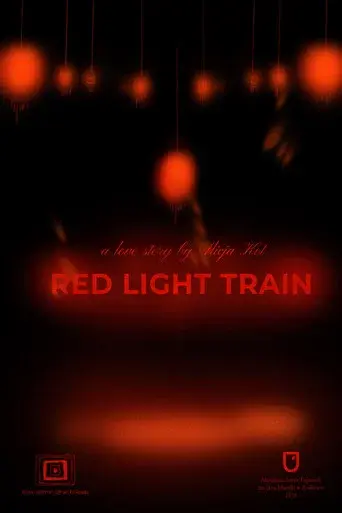
Young stewardess works in a luxury, long – distance train. Its destination is Paris. Travellers are mostly couples on their way to the capital of love. Stewardess becomes the unintentional witness of their quiet intimacy and intensive tenderness. Overwhelmed by her own loneliness and her burning need of love and being loved, she becomes to watch the lovers closely, in the more and more obsessive way.
Red Light Train


The one and a half minute short tells the story of a young girl making friends with imaginary crack creatures, formed by cracks in her bedroom wall, before encountering the unnerving "Crack Master".
Cracks

While we watch the ‘cat fail’ of the day in cheerful safety, all that remains invisible in this neoliberal nightmare catches up with us. The cat’s body is consumed, exploited and controlled. The fear of pain is greater than the will for freedom. Objects are fetishized and subjects are made into things – quantifiable and ready for use. They are the natural commodity for a luxury they are not even aware of. We are here, because you were there – and waste is disposed of in the sea. In the end, the bodies reveal the causes and effects of power, lust and hate.
Call of Cuteness
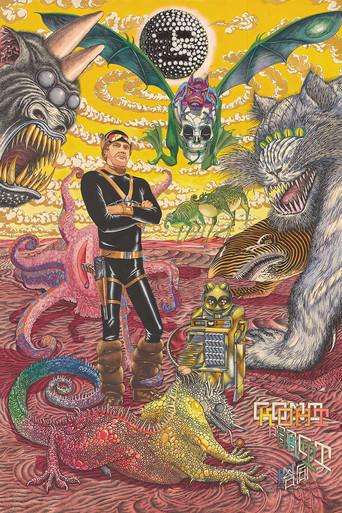
Bearded contract employee goes on a "giant bouquet of flowers" planet and prefers friendship with the robot because all inhabitants are creepy psychos.
Contract
Death as a global service provider? Unthinkable! So far Death has thought that too. But then his nephew Cedric had the crazy idea of founding the company AFTER LIFE while his uncle was away. This company takes over the craft of death with the latest technology and markets it worldwide.
Cedric
JEWS excavates a lost world of manners and ritual in home movies shot by several Chicago families from the 1920s through the 1940s. Much as in similar found footage soliloquies by Péter Forgács, Jay Rosenblatt and Ken Jacobs, director Roger Deutsch wrings unexpected pathos from mundane traces of the past. Children mug for the camera with dances of the day, upright mothers march their strollers up the avenue, men smoke, the family gathers around the table to light the candles. The bare title cannot help but raise the specter of contemporaneous events in Europe, lending an extra degree of urgency to the film's meditation on disappearance. - Max Goldberg