

Exorcismo: The Transgressive Legacy of Clasificada “S”
“In post-Franco Spain, the revolution began on screen”
Overview
Spain, 1975. Franco's death opens the door to the possibility of uncensored cinema. After two years of relaxed censorship, it is abolished in 1977, and the “S” rating is created to protect viewers from films that may “offend their sensibilities.”
Top Cast
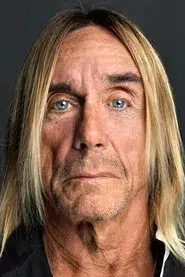
Iggy Pop
Self - Narrator (voice)

Alejandro Melero
Self
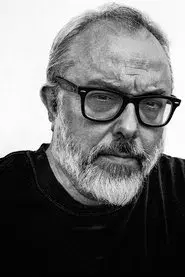
Álex de la Iglesia
Self

Álex Mendíbil
Self
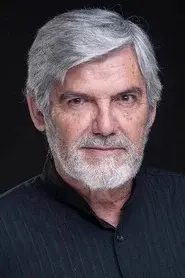
Antonio Mayans
Self

Carlos Puerto
Self

Carmen Serret
Self

David Gregory
Self

Gaspar Noé
Self
Gloria Sancho
Self

Ignasi P. Ferré
Self

Jack Taylor
Self
Key Film Crew
Production Stats
You May Also Like
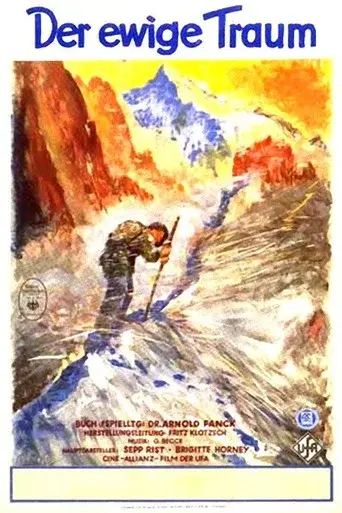
At the end of the 18th century, the wealthy French scholar Saussure comes to a small Alpine village and offers 1,000 pieces of gold to anyone who can lead him to the summit of Mont Blanc. The young farmer's son Jacques Balmat wants to take on the dangerous task, even though his father has told him from an early age about the mighty mountain spirits who guard a legendary treasure of gold on the mountain peak.
The Eternal Dream
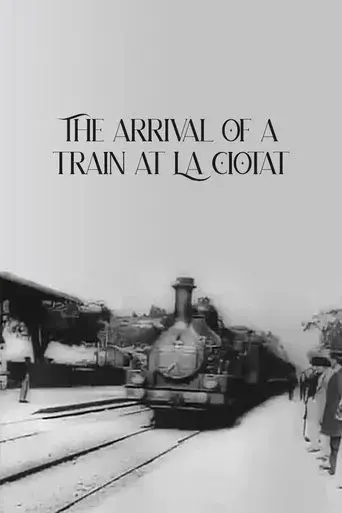
In Spain, on May 11, 1896, at the Price circus, the first moving images ever shown in the country are projected. From that event, the Spanish actor Antonio Resines intends to compile a series of anecdotes to shape the amazing history of Spanish cinema, holding several conversations with prominent figures of the Spanish film industry.
Stories of Our Cinema

The video revolution of the 1970s offered unprecedented access to the moving image for artists and performers. This Is Not a Dream explores the legacies of this revolution and its continued impact on contemporary art and performance. Charting a path across four decades of avant-garde experiment and radical escapism, This Is Not a Dream traces the influences of Andy Warhol, John Waters and Jack Smith to the perverted frontiers of YouTube and Chatroulette, taking in subverted talk shows and soap operas, streetwalker fashions and glittery magic penises along the way.
This Is Not a Dream
Spain, early 20th century. As a child, Leocadia Cantalapiedra was dazzled by a new art: cinema; but she lives in a society where directing films is something only men can do.
The Marvellous Spiral

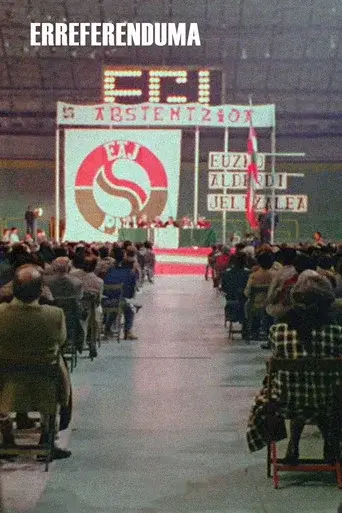
Pilot chapter of the film series 'Ikuska', a compilation of shorts on the Basque Country’s culture and politics. A documentary about the referendum on the Spanish constitution.
Erreferenduma
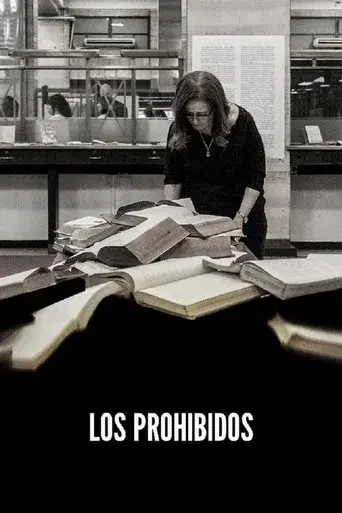
Documentary film that follows Silvana Castro, a woman who works at the National Congress Library in Argentina where the books that were forbidden during the military dictatorship are kept. After the exhibition of the books is suspended, she'll try to open it again.
Los prohibidos
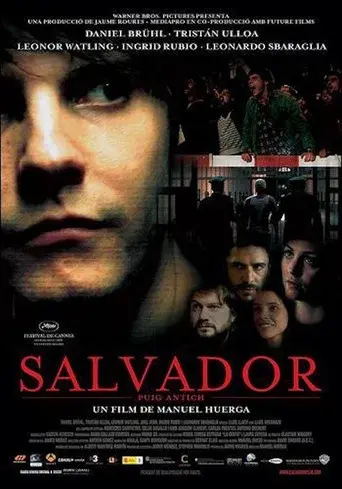
The story of Salvador Puig Antich, one of the last political prisoners to be executed under Franco's Fascist State in 1974.
Salvador (Puig Antich)
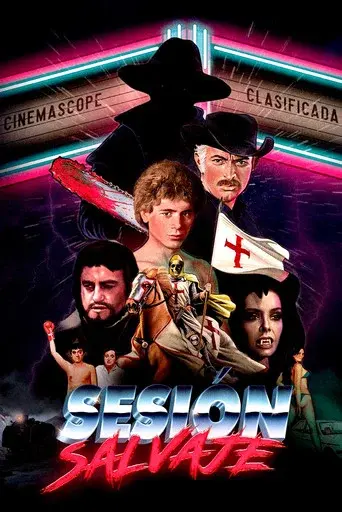
A walk through the golden age of Spanish exploitation cinema, from the sixties to the eighties; a low-budget cinema and great popular acceptance that exploited cinematographic fashions: westerns, horror movies, erotic comedies and thrillers about petty criminals.
Wild Session
Four lives that could not be more different and a single passion that unites them: the unconditional love for their cinemas, somewhere at the end of the world. Comrades in Dreams brings together six cinema makers from North Korea, America, India and Africa and follows their efforts to make their audiences dream every night.
Comrades in Dreams
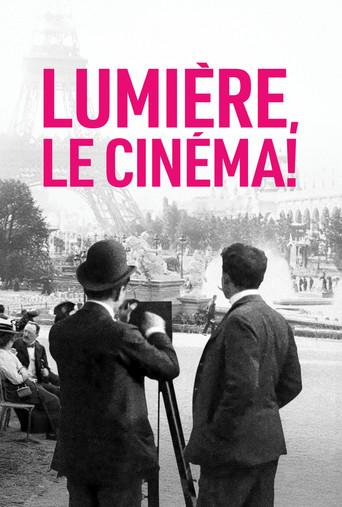
In one of those wonderful coincidences of history, lumière, the French word for “light,” was also the last name of brothers Auguste and Louis, whose brilliant invention, the cinematograph, helped to inaugurate the most beloved art form of the last 130 years. Institute Lumière director Thierry Frémaux uses Lumière, Le Cinema! to guide the viewer through over a hundred shorts—some famous, some forgotten, some never before seen—directed by Lumière and company. In the process, Frémaux illuminates how the brothers employed the camera as a creative instrument as they (and their operators) mastered framing, staging, and subject selection for quotidian and exotic microdocumentaries as well as the first ever fictional motion pictures. The result is not only a glorious re(telling) of the genesis of cinema but a profound meditation on the beautiful world captured—and the mysterious world imagined—by the Lumières.
Lumière, Le Cinéma!
"El campo para el hombre" was a politically militant documentary about the small holdings of land in the north of Spain and the large estates in the south of the country. This film portrays the exploitation and misery of the Spanish peasants, but also their class-consciousness and their will to fight for their rights and freedom. The film was shot in the late years of Franco's dictatorship, so it was made in secrecy (the directors were connected to the Spanish Communist Party).