

why some people be mad at me sometimes
“A meditation on the misappropriation of Dancehall music while using Black Feminist Citational praxis.”
Overview
why some people be mad at me sometimes is a single channel experimental film that cites the mother of Dancehall Sister Nancy singing her song bam bam in dialogue with Maya Angelou’s performance of the poem The Mask. The video is a meditation on the misappropriation of Blackness within music, and how often Black folks are told to not criticize but to smile and be grateful. All while tracing the filmmakers' relationship to Dancehall and Afro Caribbean culture through archival footage of themselves as a young person dancing at Folklorama. Folklorama has the intention to be a space for sharing diverse cultures but oftentimes a space of cultural consumption that erases the colonial history of the countries that are on display.
Key Film Crew
Production Stats
You May Also Like


In Kumasi, five lifelong friends known as “the Aunties” gather for a day of shared rituals shaped by decades of sisterhood. Through moments of dance, laughter, and prayer, their individual stories come together as one. Akosua is an intimate portrait of friendship, tradition, and the strength found in community.
Akousa
Three individuals enter a temple to summon the Yoruba Orishas through ritual, music, and dance. As colonial influence reshapes spiritual practice, these traditions begin to shift. Over time, the rituals are altered and Westernized, losing their original form. What once connected them to the divine begins to fade.
Departing

Inspired by a powerful involuntary mania which took hold of citizens in the city of Strasbourg just over five hundred years ago, this film is a collaboration in isolation with some of the greatest dancers working today.
Strasbourg 1518

The portrait of a world in reverse, a society of different tonalities and shades. Aspiration as a refuge from systematization.
Reves

At age 24, Rémi Bonnet, brilliant pianist, abandons Chopin and Toulouse to play the music he has secretly loved for years - Salsa! He heads for Paris, the salsa capital of Europe, only to discover to his great surprise, that nobody wants a white boy in Latin band! Felipe, his Cuban friend, sets him straight: " You don't have the Latino look, muchacho! Today, if your are not Cubano or Columbiano, you are out!". Undaunted, Rémi deliberately takes on the identity, accent and complexion of an unemployed alien in a city where most foreigners will do almost anything to become French. Barreto, 75, the legendary Cuban composer, who is about to close down the once famous Casa Cubana, offers Rémi a job giving dance lessons to the locals. It is here that Rémi falls in love with Nathalie. Her family's "secrets and lies" reveal parental links to Barreto. Do these links explain why this shy beauty ought to be a bomb on the dance floor?
Salsa

Three beautiful creatures bathe in our eyes. Behind three windows, so many women; owners of the places, as free inside themselves as in their antics. Exhibition? No! Exposure. Besides, who's watching? And who is watched? The bodies traversed by so many mental territories, FEMALE SPECIALTIES magnifies this "Second Sex" to flush out the random, the somatic, the elusive. ... not there to be understood but to be touched! ... and hated who thinks badly!
Spécialités Féminines
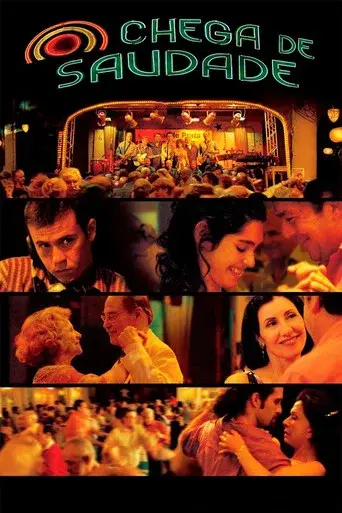
An evening in an old time dance hall in Sao Paulo introduces us to local characters who reminisce about the past, wonder about the future, have fun, flirt, fight and, of course, dance. Its earthy humour and eternal themes of ageing, loneliness and desire is an antidote to grumpy old men and women everywhere.
The Ballroom
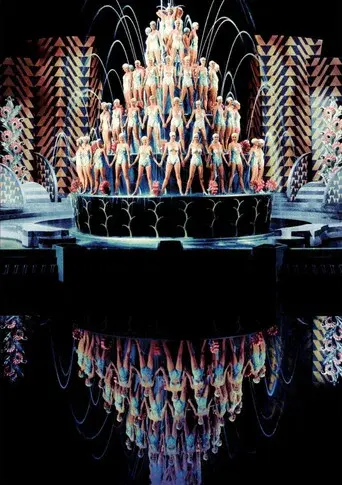


Eight Early Era dancers inspect the systems by which we abide, and the sameness required of average people to operate within those systems. To the rhythms of Austin-based hip-hop duo Magna Carda, the artists must decide whether to stay within the boxes that confine them or break free. A unique visual experience featuring ingenious and playful imagery of dancers in their different spaces.
Milez

How do we bring our physical bodies with us into our inevitably digitally-bound futures? Collaboratively conceived by director Brian J. Johnson and Vancouver’s acclaimed Company 605, Future Futures is a collection of five short dance films that explore the digital destiny of humankind through a unique merging of camera and visual effects with a specific choreographic vision. Embracing the absurdity of centering dance inside a sci-fi narrative, the experimental series collapses time to portray human culture at an unprecedented moment: the emergence of a new, autonomous, and intelligent being—the digital reflection and culmination of ourselves. Through its otherworldly imagery, choreography, and driving electronic sound score, Future Futures evolves into a strange, highly visual exploration of what we are if we are no longer tied to our physical bodies, and how we will define humanity when faced with a fading IRL existence.
Future Futures

After suffering humiliation by the crew Invincible, street dancer Ash looks to gather the best dancers from around the world for a rematch.
StreetDance 2
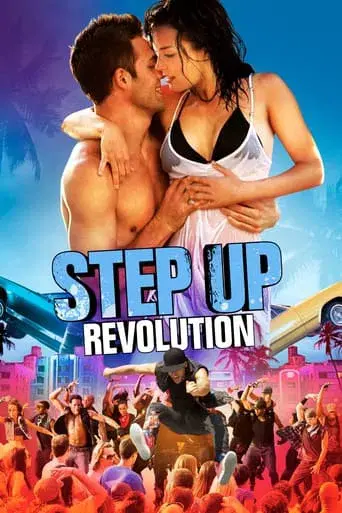
Emily arrives in Miami with aspirations to become a professional dancer. She sparks with Sean, the leader of a dance crew whose neighborhood is threatened by Emily's father's development plans.
Step Up Revolution


A violent and gritty retelling of the life of Grainne Uaile, the 16th century Pirate Queen from Ireland. She was a fighter, a pirate and a tough woman, carving her mark in a mans world. This exciting film is violent, dark, brutal, exciting and often darkly comic. The ultimate female action hero steeped in ancient Irish history.