

Delhi minus Umar Khalid
Original Title: “दिल्ली माइनस उमर ख़ालिद”
“The fight for justice is not only for the one who fights, it is also for those who see someone fighting.”
Overview
In light of jailed activist Umar Khalid withdrawing his petition from the Supreme Court amid repeated adjournments, journalist Ravish Kumar captures the contours of Delhi in a video letter addressed to him. What comes out is a critical piece reflecting on the cowardice and the deafening silence of Delhi on the whole matter.
Top Cast

Ravish Kumar
Narration
Key Film Crew
Production Stats
You May Also Like
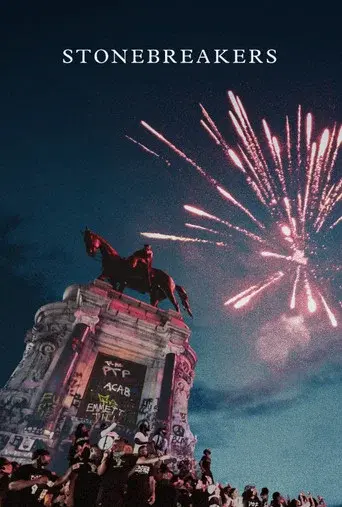
In a year of uprisings and political unrest, Stonebreakers documents the fights around monuments in the United States and explores the shifting landscapes of the nation's historical memory.
Stonebreakers
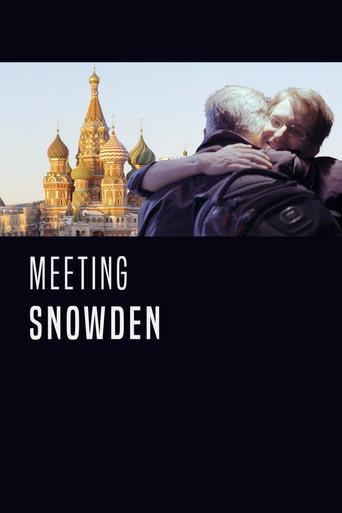
Moscow, Russia, December 2016. Edward Snowden, Larry Lessig and Birgitta Jónsdóttir meet for the first time in a secret place. Apparently, Russia is interfering in the US presidential elections while it mourns the death of its ambassador to Turkey. Snowden carefully chooses his interviews, so nobody really knows something about him. As the world prepares for Christmas, they gather to discuss the only issue that matters, their common struggle: how to save democracy.
Meeting Snowden
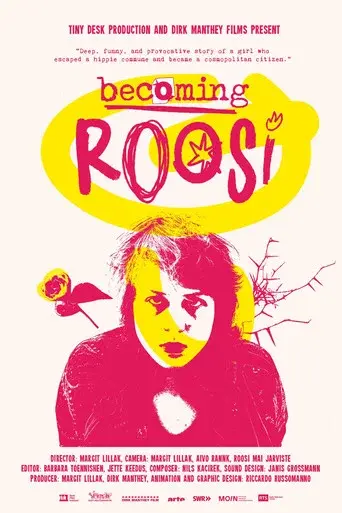
The filmmaker follows a girl, Roosi, for 10 years from age 8-18. She grew up as the child of an activist. She struggles to cope with climate grief and guilt. Roosi is torn between the path of activism and that of creativity and teenage ecstasy, while her complex and often tense relationship with her parents unravels. Struggling to find her place in the world, she navigates uncharted landscapes, revealing unlikely facets of contemporary cosmopolitanism through the eyes of a generation coming of age in an increasingly fluid reality.
Becoming Roosi
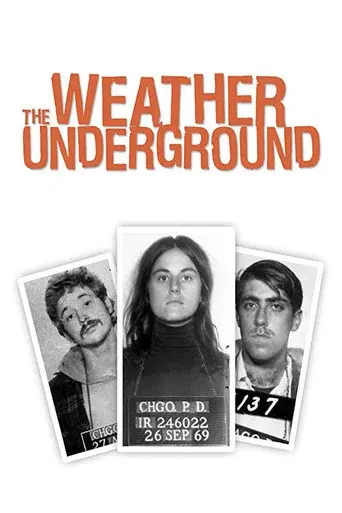
The remarkable story of The Weather Underground, radical activists of the 1970s, and of radical politics at its best and most disastrous.
The Weather Underground
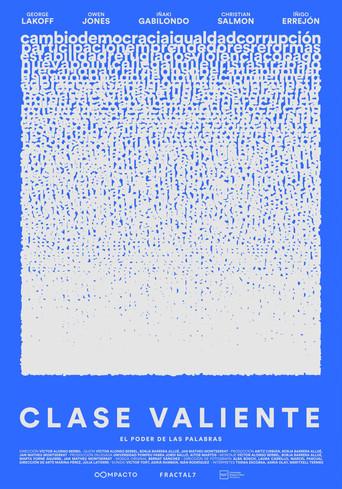
Three college students start a social experiment to prove that reality changes according to the words we use to describe it. Through research, activist actions, and artistic interventions, they analyze the importance of language in the way we understand the world. The documentary includes analysis from more than 20 international experts and leaders in the fields of political communication and information.
The Brave Class

Throughout Hong Kong’s history, Hongkongers have fought for freedom and democracy but have yet to succeed. In 2019, a controversial extradition bill was introduced that would allow Hongkongers to be tried in mainland China. This decision spurred massive protests, riots, and resistance against heavy-handed Chinese rule over the City-State. Award-winning director Kiwi Chow documents the events to tell the story of the movement, with both a macro view of its historical context and footage and interviews from protestors on the front lines.
Revolution of Our Times


Sami reindeer herders win a Supreme Court victory against Europe’s largest wind farm - but when the state refuses to act, their fight reveals a deeper crisis of justice and trust.
Let Our Mountains Live
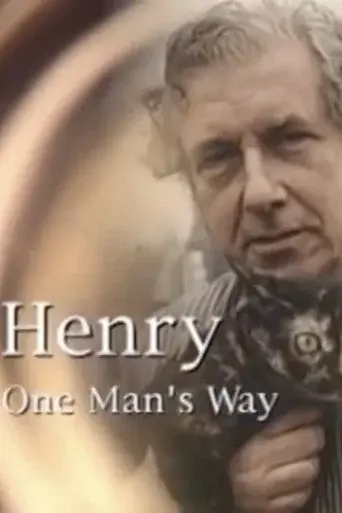
One Man's Way is a 1996 documentary in which Peter Singer documents the efforts and philosophies of animal rights activist Henry Spira, who is often remembered as the most effective animal activist of the 20th century. Henry Spira is most notably known for his tireless efforts to expose the the cruel animal experimentation that goes on behind doors, especially in the cosmetic industry.
Henry: One Man's Way
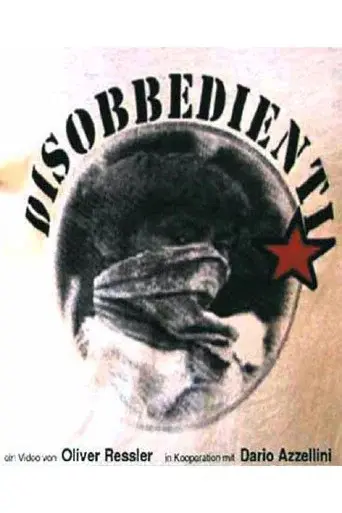
The Disobbedienti emerged from the Tute Bianche during the demonstrations against the G8 summit in Genoa in July 2001. The “Tute Bianche” were the white-clad Italian activists who used their bodies – protected by foam rubber, tires, helmets, gas masks, and homemade shields – in direct acts and demonstrations as weapons of civil disobedience. The Tute Bianche first appeared in Italy in 1994 in the midst of a social setting in which the “mass laborer,” who had played a central role in the 1970s in production and in labor struggles, was gradually replaced in the transition to precarious post-Fordist means of production. “Disobbedienti” thematizes the Disobbedienti’s origins, political bases, and forms of direct action on the basis of conversations with seven members of the movement.
