Entretempos, Entremeios
Overview
No overview summary available for this movie.
Top Cast

Luana Campos
Narrator

Ana Denise
Herself
Antônio da Cruz
Himself
Marcelo Uchoa
Himself
Bené Santana
Himself
Suyene Correia
Herself
Key Film Crew
Production Stats
You May Also Like
Samba, Popping, and Jazz. Through these dance styles and documentary interviews, Bodies That Tell Stories seeks to discuss the standardization and whitening of dances that had their roots in Black people.
Corpos que Contam
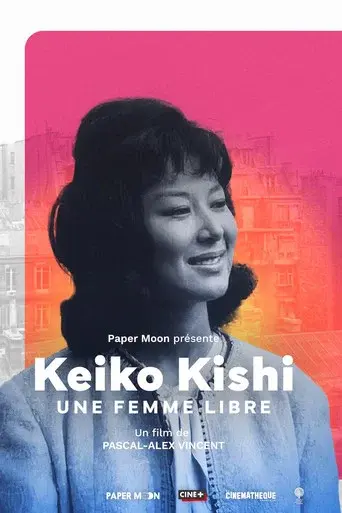

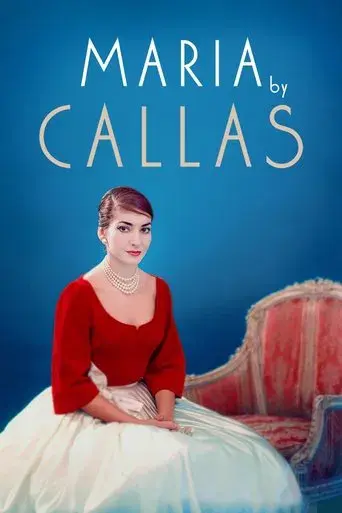
Told through performances, TV interviews, home movies, family photographs, private letters and unpublished memoirs, the film reveals the essence of an extraordinary woman who rose from humble beginnings in New York City to become a glamorous international superstar and one of the greatest artists of all time.
Maria by Callas

A musical, and also a reflection on watching, on trying to escape an anthropocentric gaze and also on watching itself in cinema. Featuring mares and horses: Triana, Víctor K, Bambi Sailor, San Special Solano, Buck Red Skin, Onkaia, Cool Boy, the donkey Agostino, the mule Guapa. And also Alfredo Lagos, Raül Refree, María Marín, Pepe Habichuela, Virgina García del Pino, María García Ruiz, Pilar Monsell, María Pérez Sanz.
De caballos y guitarras

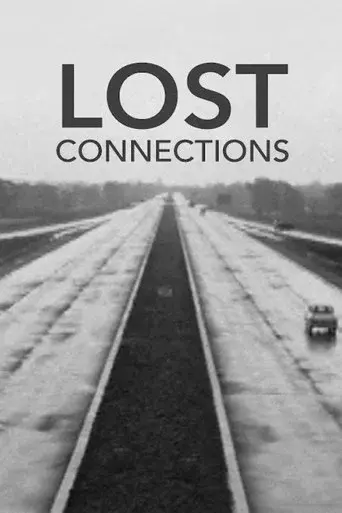
Made possible through a unique UK-wide collaboration of national and regional publicly-funded film archives, Lost Connections draws on a century of archive footage that invites reflections on loss, loneliness, isolation, and expressions of desire, optimism, hope and renewal. It is not a film about the pandemic, it is a film about recovery, the human character, sadness and joy, what we really value, and our gradual reconnection with each other, our communities, and the world around us.
Lost Connections
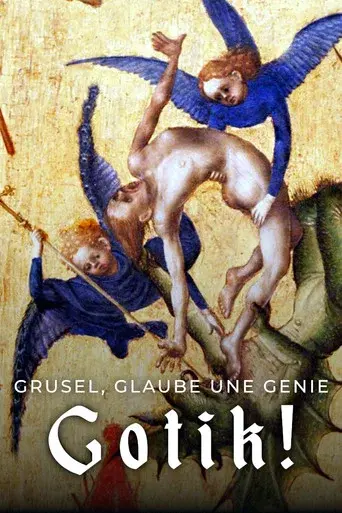
Death and the devil, nudity and eroticism, horror in blazing colours, Gothic art cast a spell over people 500 years ago. In these image-poor times, art deliberately and skilfully played with the emotions of the viewer, triggering fear, devotion, but also rapture. Art documentary on German gothic art of the late-middle ages.
The Genius of Gothic Art
After showing us some of Elland’s places of special interest, including the home of one of The Bachelors, we are taken on a tour of local sweet manufacturers Joseph Dobson & Sons. From boiling up the syrup, to stretching the resultant goo and cutting out the individual shapes, each stage of the process of making boiled sweets is demonstrated and explained. The end product is rows of jars of Rainbow Crystals, Yorkshire Mixtures and Voice Tablets selling at 16 pence a Qtr.
The Sweet Life
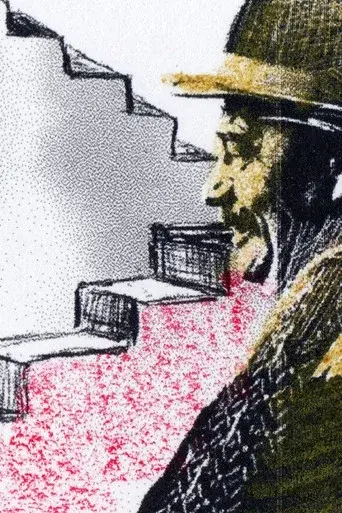
Jazz, dreams, and hope. The protagonist of the film is Wiesław Mrzygłód, a musician and artist. He has an extraordinarily positive attitude to the world, life, and music. In the 1980s, together with the Old Dixieland Players, he played at the most important jazz events in Poland and Europe. Despite doctors' opinions, he says, "Someday, I will play again." He refuses to give up. The film was made using analog and combined techniques, based on drawing using oil pastels, prints, and re-filming methods.
Someday Again
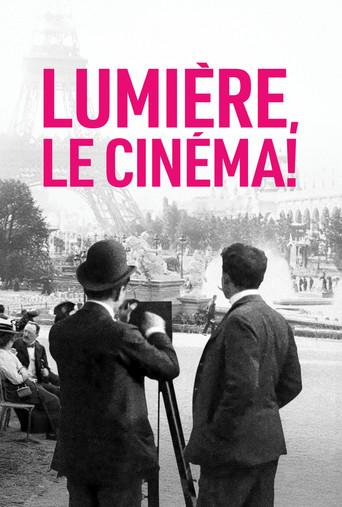
In one of those wonderful coincidences of history, lumière, the French word for “light,” was also the last name of brothers Auguste and Louis, whose brilliant invention, the cinematograph, helped to inaugurate the most beloved art form of the last 130 years. Institute Lumière director Thierry Frémaux uses Lumière, Le Cinema! to guide the viewer through over a hundred shorts—some famous, some forgotten, some never before seen—directed by Lumière and company. In the process, Frémaux illuminates how the brothers employed the camera as a creative instrument as they (and their operators) mastered framing, staging, and subject selection for quotidian and exotic microdocumentaries as well as the first ever fictional motion pictures. The result is not only a glorious re(telling) of the genesis of cinema but a profound meditation on the beautiful world captured—and the mysterious world imagined—by the Lumières.