

Overview
A parable about honor and true character, inspired by the reality of the 18th century. Constantin Brâncoveanu preferred to be beheaded in Constantinople alongside his four sons - Constantin, Stefan, Radu, and Matei - as well as by his counselor Ianache Vacarescu, instead of renouncing the Christian faith.
Top Cast

Constantin Pușcașu
Constantin Brâncoveanu

Corneliu Ulici
Printul Constantin

Pavel Ulici
Printul Stefan

Iancu Paulo
Printul Radu
Erik Istrate
Printul Matei

Alma Boiangiu
Stanca Brâncoveanu

Dorel Vișan
Stolnicul Cantacuzino

Daniela Nane
Doamna Maria

Claudiu Bleonţ
Anton-Maria Del Chiaro

Marius Bodochi
Sultanul Ahmed III

Nicolae Cristache
Antim Ivireanul
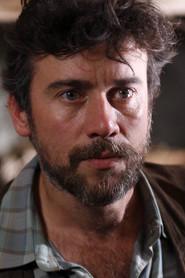
András Istvan Demeter
Imbrohorul
Key Film Crew
Production Stats
You May Also Like
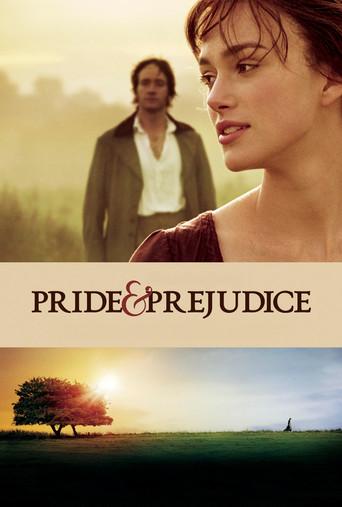
A story of love and life among the landed English gentry during the Georgian era. Mr. Bennet is a gentleman living in Hertfordshire with his overbearing wife and five daughters, but if he dies their house will be inherited by a distant cousin whom they have never met, so the family's future happiness and security is dependent on the daughters making good marriages.
Pride & Prejudice
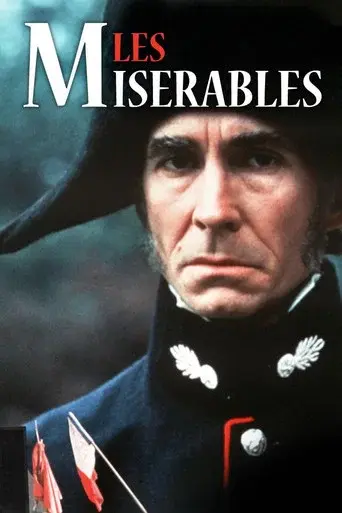
In 19th century France, Jean Valjean, a man imprisoned for stealing bread, must flee a relentless policeman named Javert. The pursuit consumes both men's lives, and soon Valjean finds himself in the midst of the student revolutions in France.
Les Misérables


Young, pretty and innocent, Fanny Hill has lost her parents and must find her way in life amidst the perils of turbulent 18th-century London. She's fortunate enough to rapidly find a place as chambermaid of the effusive Mrs. Brown, who lives in a large house teeming with female 'relatives' in negligée and with very relaxed manners. She also insists that Fanny alone meets various gentlemen who show an ardent interest in her.
Fanny Hill
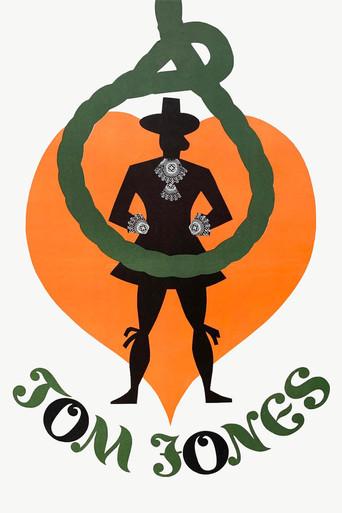
Tom loves Sophie and Sophie loves Tom. But Tom and Sophie are of differering classes. Can they find a way through the mayhem to be true to love?
Tom Jones
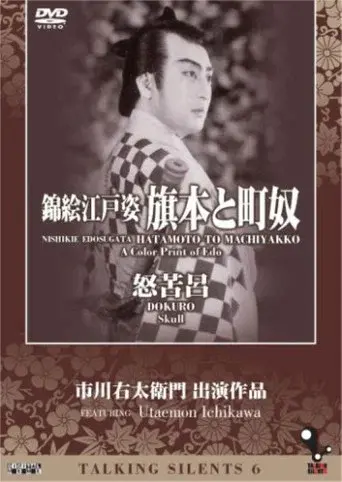
The Color Print of Edo is a 1939 black and white Japanese silent film with benshi accompaniment directed by Kazuo Mori. It is a cheerful period drama, sprinkled with comical scenes and tells the story of a loyal and handsome Edo period servant who fights to help his older brother marry the woman he loves. The star of this film, Utaemon Ichikawa, gained enormous popularity for his portrayal of a cheerful and chivalrous man.
A Color Print of Edo

Johnny Shiloh is a 1963 made for TV film that originally aired in two parts on the Wonderful World of Disney in Color. It was released in other countries theatrically as one film and is on DVD as one film. Johnny Shiloh is the true story about Johnny Clem, the ten year old drummer boy who became a union officer in the Civil War.
Johnny Shiloh

During the early 16th century, idealistic German monk Martin Luther, disgusted by the materialism in the church, begins the dialogue that will lead to the Protestant Reformation.
Luther
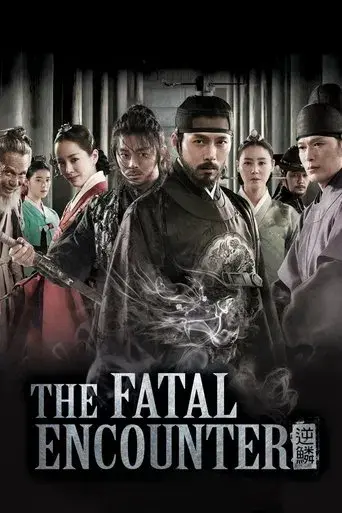
Late 18th-century Joseon dynasty. The King is beleaguered and surrounded by traitors of the ruling elite. They plan to assassinate and replace him with a puppet. But the King has some aces up his sleeve that may help him defeat them all.
The Fatal Encounter

In 1789 Maine, a man is found frozen in the Kennebec River. Respected midwife and healer Martha Ballard is summoned to examine the body and determine the cause of death. Her private diary, a meticulous record of births, deaths and crimes, soon places her at the centre of a murder investigation intertwined with an alleged rape she documented months earlier. As a brutal winter closes in and a trial approaches, Martha’s quiet authority and refusal to bend to patriarchal power structures put her family, reputation and safety at risk.
The Frozen River
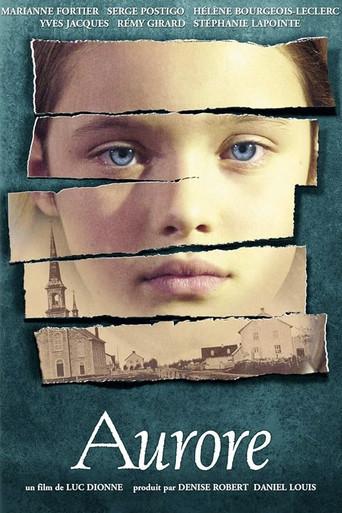
After the sudden death of her mother, Aurore Gagnon is abused by her disturbed step-mother as her town remains in the silence followed by her death. Based on a true story.
Aurore
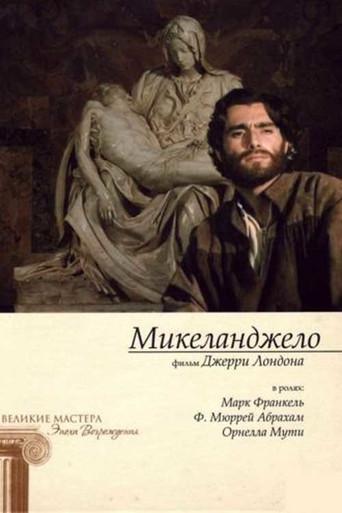
At the turn of the sixteenth century, Michelangelo (Mark Frankel), Raphael (Andrea Prodan), and Leonardo Da Vinci (John Glover) create their masterpieces, while dealing with religious persecution, political turmoil, and the discovery of America.
A Season of Giants
Inspired by the true story of Kurt Gerron, one of the most famous Jewish actors and directors in pre-Nazi Germany. Unlike his friends Fritz Lang and Marlene Dietrich, Gerron refused to leave Germany and was ultimately sent to the Theresienstadt Ghetto, along with many other cultural icons of his time. When Gerron arrives, camp commander (and fan) Karl Rahm orders Gerron to direct a propaganda film about the camp, to show the 'luxurious' conditions to the world. With no choice in the matter, Gerron embarks on what will be his last film, trying to give his fellow prisoners fleeting moments of humanity in the process.
Gerron's Last Film
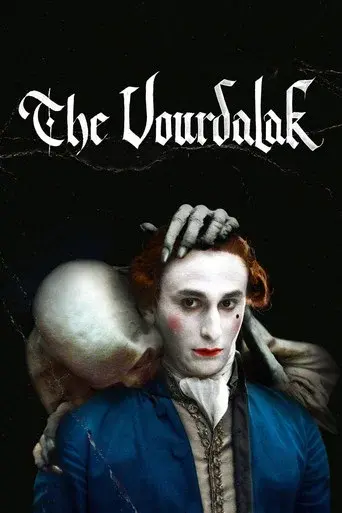
The Marquis d’Urfé finds refuge in the home of a strange family after becoming lost in a hostile forest while working as an emissary for the King of France.
The Vourdalak
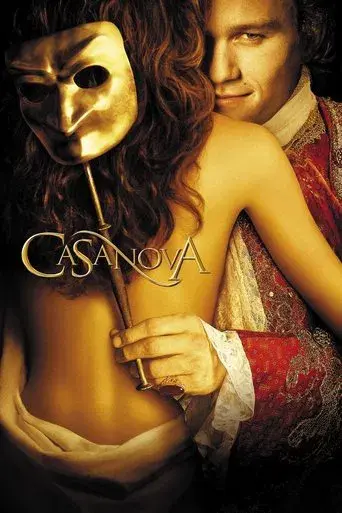
With a reputation for seducing members of the opposite sex, regardless of their marital status, a notorious womanizer discovers a beauty who seems impervious to his charms. However, as he continues to pursue the indifferent lady, he finds himself falling in love.
Casanova

A young Prince Asoka works to perfect his skills in battle and also deals with family conflict. During a struggle with one of his step-brothers, his mother urges Asoka to escape to stay alive. While away, Asoka meets Kaurwaki and falls in love, but must use his skills as a warrior to protect her. A dangerous and heartbreaking web of conspiracy follows, which leads Asoka to embrace a Buddhist path.
Aśoka
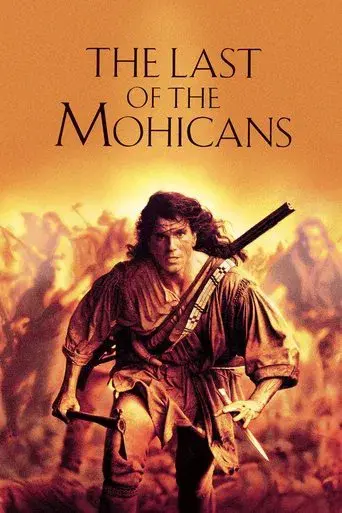
In war-torn colonial America, in the midst of a bloody battle between British, the French and Native American allies, the aristocratic daughter of a British Colonel and her party are captured by a group of Huron warriors. Fortunately, a group of three Mohican trappers comes to their rescue.
The Last of the Mohicans
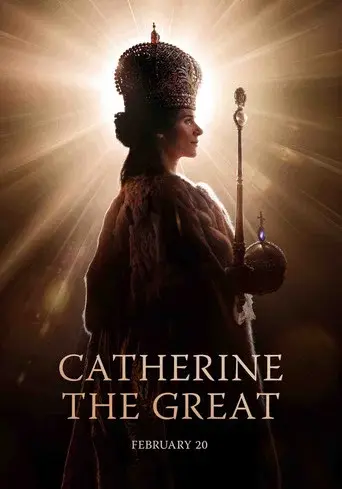
The era of palace coups in Russia ended with the coronation of a prominent historical figure: Catherine the Great. She could have settled for the role of Emperor’s wife, but her persistence and determination eventually proved that her rightful place was on the throne. She was still a child when she learned that she was to marry Peter III and produce an heir. Catherine, however, wanted to rule Russia herself. She saw the potential of the Russian Empire, and she wanted to implement the ideas of the Enlightenment. Will Russia experience a renaissance of culture and sciences under Catherine? Will her ideas eventually play to her detriment?
