

Le monde est à eux
Overview
No overview summary available for this movie.
Top Cast

Adem
Self
Bilel
Self
Dounia
Self
Fatih
Self
Key Film Crew
Production Stats
You May Also Like
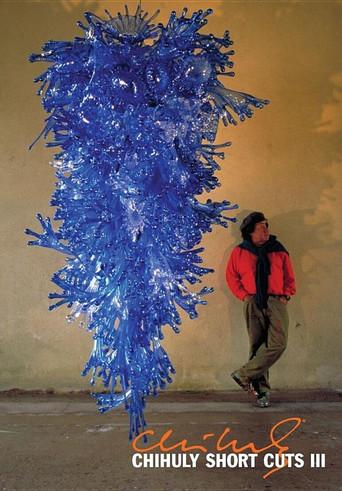
For nearly half a century, Dale Chihuly has traveled the world, creating and installing his artwork. From sculptures to large-scale installations, his blown-glass works revolutionized the American studio glass movement. In Short Cuts III, Chihuly's role as both artist and teacher is revealed, uncovering the stories and the process behind some of his most celebrated projects, from working with students in his hometown of Tacoma, Washington, to exhibitions in prominent botanic gardens worldwide.
Chihuly Short Cuts III

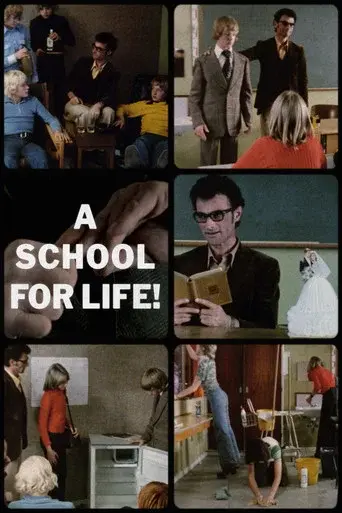
A satirical presentation of the public school debate, exhibiting three different teaching methods. First, the authoritarian education system of old; Second, a more modern form, combining theory and practice; and finally, the teacher's nightmare, where children are taught only the necessities for modern life: sales techniques, status symbols, and how to (quite literally) elbow your way to the top.
A School for Life!


In 2018 the 1st & 2nd EPA.L. Agia Paraskevi relocates to a new state of the art building after 20+ years of being in an unsuitable and ready to fall apart one. The situation got so bad that the students where literally hanging out with the chickens next to the building and as the principal of the school council told us they actually felt like they themselves where the chickens. The construction of the new building was held up since the original contractor "ran out of money" and thus the building was abandoned mid construction, the building stayed in this stage for more than 5 years where it was looted and vandalized. The situation had reached an impasse and so the students decided to step up and speak directly to the mayor resulting in getting heard by the secondary school administration, so years later a second contractor was hired to complete this project and finally put into operation.
Education Rebuilt



When Danish filmmaker Lea Glob first portrayed Apolonia Sokol in 2009, she appeared to be leading a storybook life. The talented Apolonia was born in an underground theater in Paris and grew up in an artists’ community—the ultimate bohemian existence. In her 20s, she studied at the Beaux-Arts de Paris, one of the most prestigious art academies in Europe. Over the years, Lea Glob kept returning to film the charismatic Apolonia and a special bond developed between the two young women.
Apolonia, Apolonia

Documentary warning about the decline of American public schools as they become more and more privatized.
Backpack Full of Cash

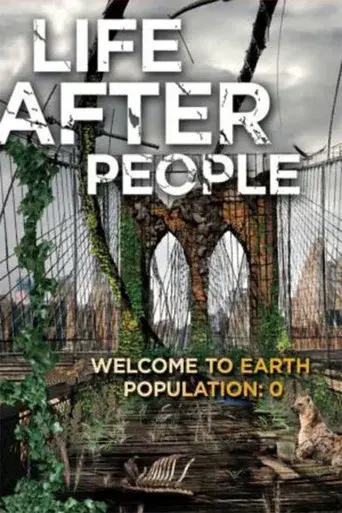
In this special documentary that inspired a two-season television series, scientists and other experts speculate about what the Earth, animal life, and plant life might be like if, suddenly, humanity no longer existed, as well as the effect humanity's disappearance might have on the artificial aspects of civilization.
Life After People

Michel Thomas is one of the most brilliant language teachers in the world. His usual clients are movie stars and business leaders. This programme takes him to a Sixth Form College in London to work with school pupils, to test his claim that he can teach anyone a language in a week - with no reading, writing or homework. The film also explores his personal history - as a hero of the French Resistance during WW II. Nigel’s documentary with the 85 year old Michel Thomas was the first time that Thomas allowed his techniques to be made public. The subsequent success of the film transformed Thomas into a global celebrity and his method into one of the most highly regarded in the world of education.
The Language Master
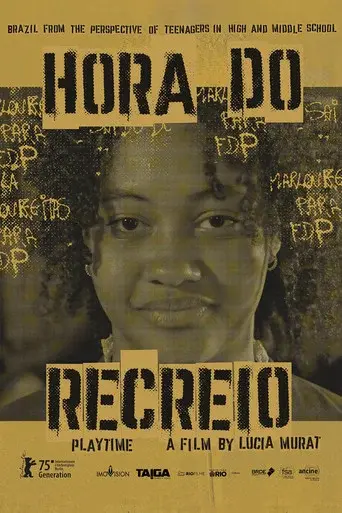
Brazil from the perspective of school pupils aged 14 to 19. Combining a documentary with a fictional approach, Hora do recreio addresses topics including violence, racism and drug dealing.
Playtime
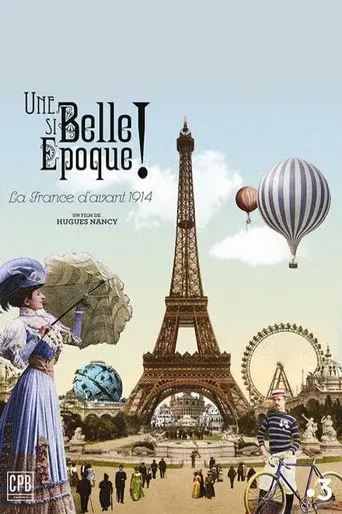
In 1900, the eyes of the whole world are on Paris. The World's Fair welcomed 50 million amazed visitors, and the city celebrated itself in a glamorous era. This period went down in history as the "Belle Époque." Elaborately restored and colorized historical photographs bring to life the exciting life in Paris between the end of the 19th century and the beginning of World War I in 1914. Bicycles, cars, airplanes, moving pictures, newly founded film studios, revolutionary composers and painters, avant-garde ballet performances, fashion houses, summer resorts on the Atlantic coast – life was intoxicating. People celebrate in the variety shows, cabarets, and revue theaters of Paris. Moulin Rouge, Folies Bergères, Bal Tabarin—in Paris, the nights are long and life is too short to sleep through. It is a dance on the volcano, given the political developments in the world.
Paris 1900
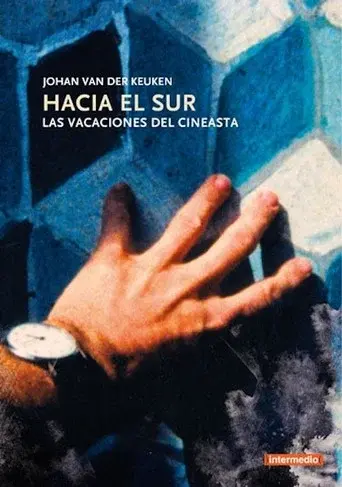
Johan van der Keuken went against the grain in 1980: from Amsterdam (on April 30 with the coronation riots and squatting actions) via Paris, southern France and Italy to Egypt. He made his personal travelogue in three parts for VPRO television. Later, he fused the three parts into one long movie.
The Way South
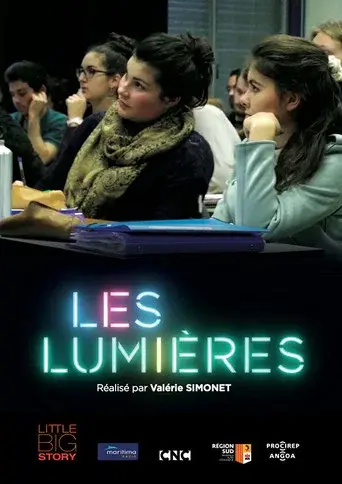
How can we rethink our ways of learning and transmitting knowledge? This film answers this question through the creation of a unique bachelor’s program: the Arts and Sciences Bachelor. The origin of this bachelor lies in the uprising against the 2009 reform of the university. During three years, students explore knowledge through the intertwining of different subjects. Indeed, they discover every aspect of color in sociology, chemistry, and literature. By following four students from their first to their third year, the film explains to the spectator how this bachelor program works. Les Lumières offers a reflection on transdisciplinarity.