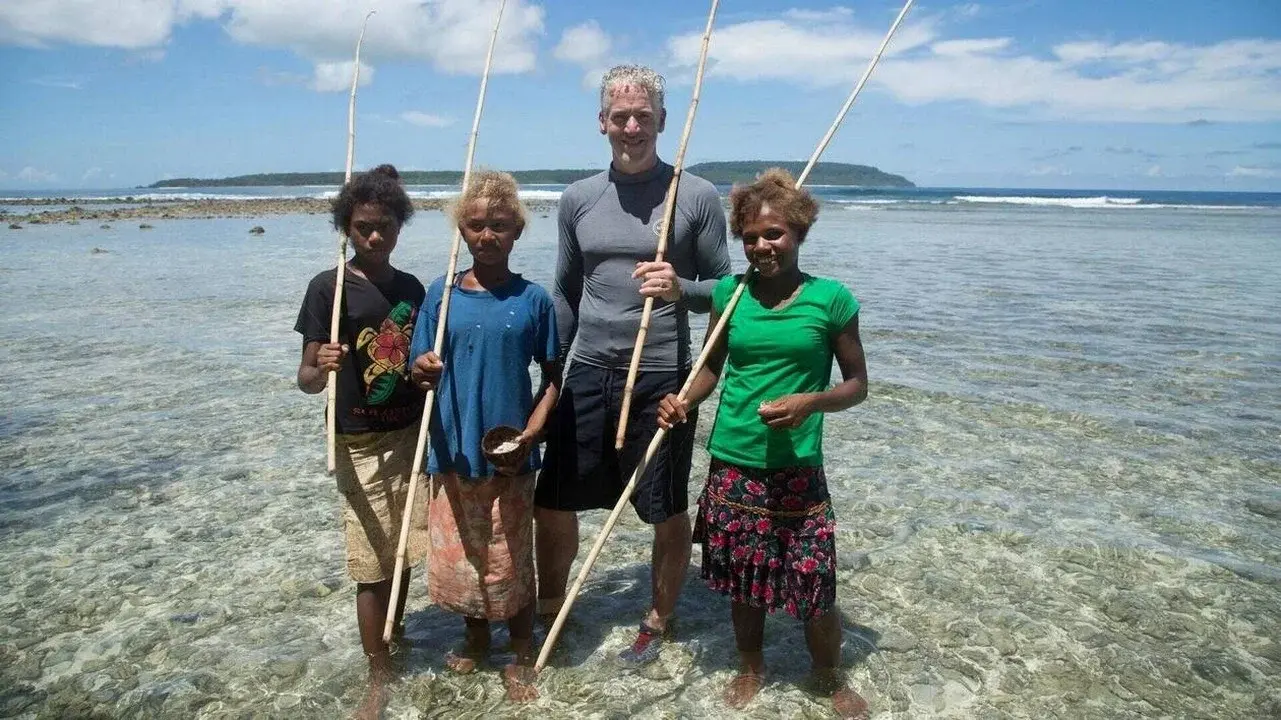
Le peuple du requin et moi
Overview
No overview summary available for this movie.
Key Film Crew
Production Stats
You May Also Like
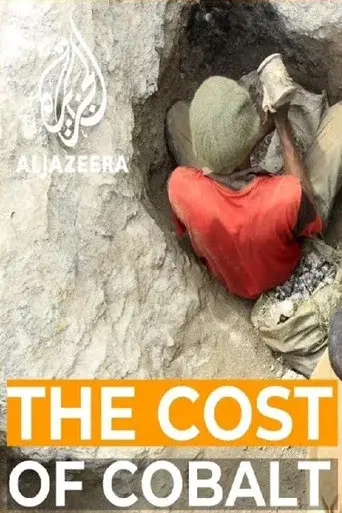
In the cobalt mining areas of Katanga in the Democratic Republic of the Congo (DRC), babies are being born with horrific birth defects. Scientists and doctors are finding increasing evidence of environmental pollution from industrial mining which, they believe, may be the cause of a range of malformations from cleft palate to some so serious the baby is stillborn. More than 60% of the world’s reserves of cobalt are in the DRC and this mineral is essential for the production of electric car batteries, which may be the key to reducing carbon emissions and to slowing climate change. In The Cost of Cobalt we meet the doctors treating the children affected and the scientists who are measuring the pollution. Cobalt may be part of the global solution to climate change, but is it right that Congo’s next generation pay the price with their health? Many are hoping that the more the world understands their plight, the more pressure will be put on the industry here to clean up its act.
The Cost of Cobalt

The winter pond sleeps, life beneath the surface has ceased. The rays of the frosty sun penetrate the ice crust, and fishermen release oxygen into the depths of the water through holes in the ice. Commissioned by the Ministry of Agriculture, this photograph reveals the beauty and richness of Czech ponds, and depicts the life of carp, from spawning and hatching, to harvesting.
The Czech Carp
A documentary on Al Gore's campaign to make the issue of global warming a recognized problem worldwide.
An Inconvenient Truth
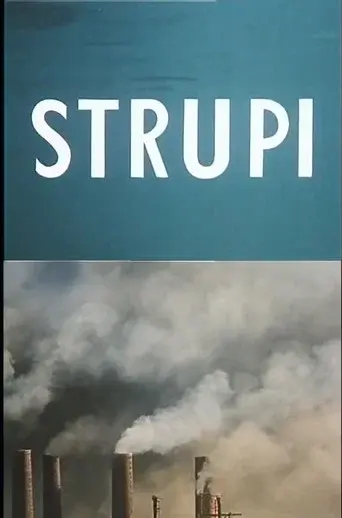
Industrialization brings progress, but also harmful influences on the environment. Warning of the dangers of waste materials dumped into the air and the waters.
Poisons
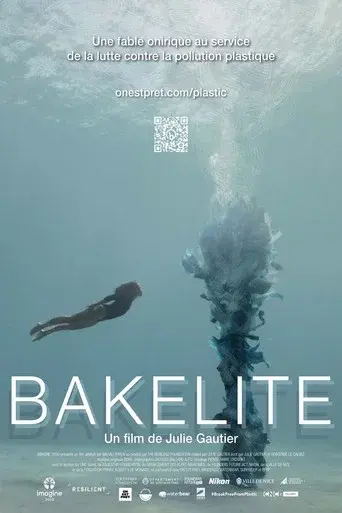
This underwater ballet is an ecological story depicting our paradoxical relationship with plastic. Bakelite launched the #SickOfPlastic campaign from On Est Prêt, along with the Surfrider Foundation, Break Free from Plastic and the Resilient Foundation. Photography was directed by Jacques Ballard, a specialist in underwater cinematography.
Bakelite
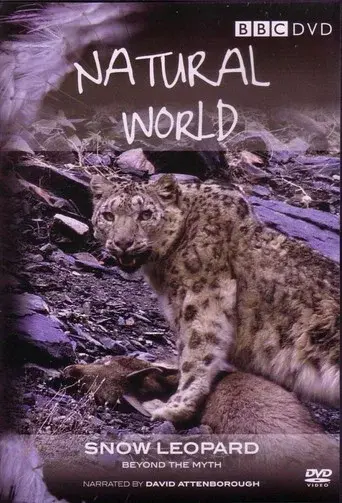

United by the planet's biggest conservation project -- The Red List -- conservation heroes around the world are risking everything to save giraffe, gorillas, big cats and other endangered wildlife.
Endangered

In Tacony Creek Park, home to one of Philadelphia's lesser-known watersheds, Julie Slavet and Malcolm Bundy reflect on their involvement with and love for the park, made bittersweet by the continuous and increasing amount of pollution that flows into its river. Combined wastewater and stormwater sewage outfalls have affected Philadelphia's rivers for years, but as one innovative program mitigates this for the Schuylkill and Delaware, Tacony gets left behind. Scientist Laura Toran educates the audience on green infrastructure and its potential positive impacts, while Slavet and Bundy discuss how they're still waiting—not without hope—for those impacts to reach their community.
Where the Water Goes
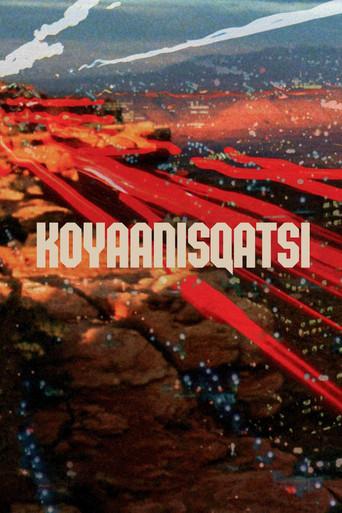
Takes us to locations all around the US and shows us the heavy toll that modern technology is having on humans and the earth. The visual tone poem contains neither dialogue nor a vocalized narration: its tone is set by the juxtaposition of images and the exceptional music by Philip Glass.
Koyaanisqatsi

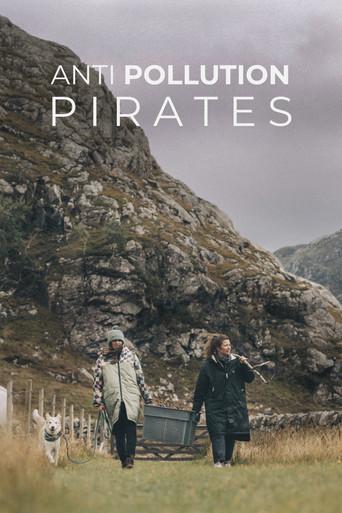
Anti Pollution Pirates follows a small crew who hike into a remote Highland beach to clear some of the the huge volume of waste washed ashore. What begins as a simple clean becomes a reminder of connection, shared purpose and the power of small actions. Between gathering debris, cooking over a fire and swimming in cold water, the team find hope alongside the sadness. The film shows that environmental care can be joyful, creative and rooted in showing up.
Anti Pollution Pirates
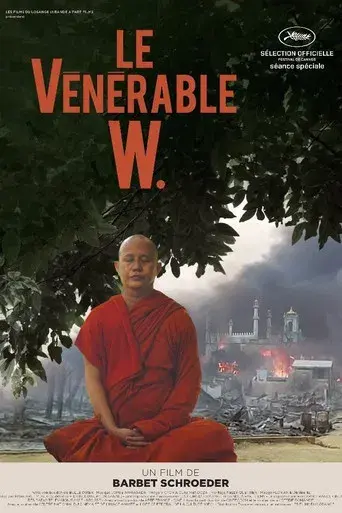
A view of the religious tensions between Muslims and Buddhist through the portrait of the Buddhist monk Ashin Wirathu, leader of anti-Muslim movement in Myanmar.
The Venerable W.
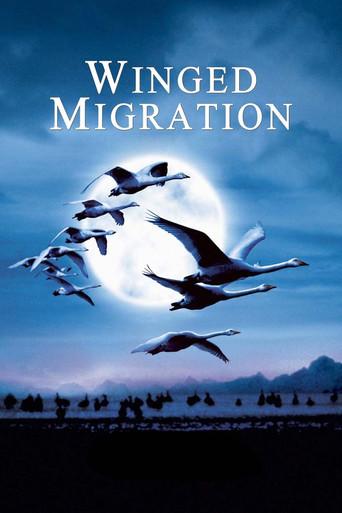
This documentary follows various migratory bird species on their long journeys from their summer homes to the equator and back, covering thousands of miles and navigating by the stars. These arduous treks are crucial for survival, seeking hospitable climates and food sources. Birds face numerous challenges, including crossing oceans and evading predators, illness, and injury. Although migrations are undertaken as a community, birds disperse into family units once they reach their destinations, and every continent is affected by these migrations, hosting migratory bird species at least part of the year.