12.Août.2002
Overview
12 August 2002 is the date which was printed on every shot in this film by the memory of the camera. On that day a huge tower which disrupted the north wing of an abandoned castle was torn down, floor by floor. The film is a record of the methodical disruption of this building by inhuman and all-powerful machines. The voice-over consists of a phone call by the author John Berger (1926), who has written numerous and radical opinion pieces in favour of the people of Palestine.
Top Cast
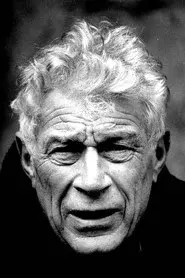
John Berger
Self (Voice)
Key Film Crew
Production Stats
You May Also Like

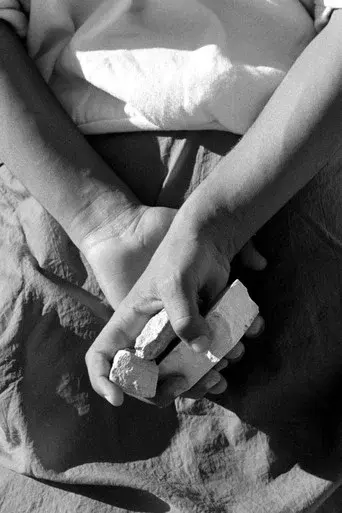
Short film made from photographs taken by anthropologist and photojournalist Rogério Ferrari in Palestinian territories in 2002.
The eloquence of blood
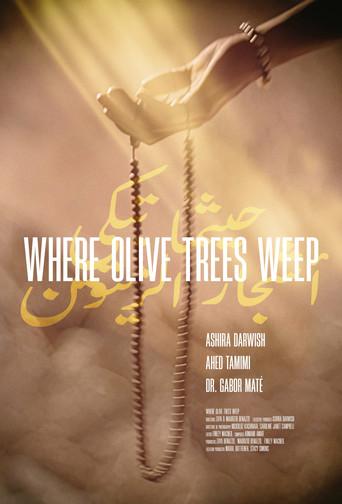
Where Olive Trees Weep offers a searing window into the struggles and resilience of the Palestinian people under Israeli occupation. It explores themes of loss, trauma, and the quest for justice.
Where Olive Trees Weep
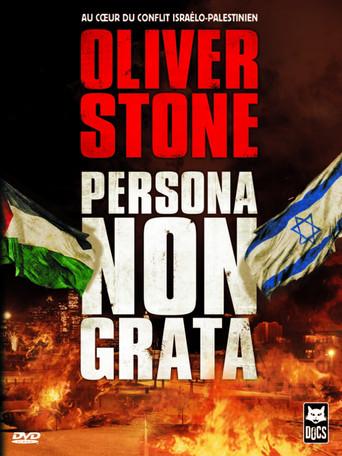
2003 documentary film produced by Oliver Stone for the HBO series America Undercover about the conflict in occupied Palestine. He speaks with Ehud Barak and Benjamin Netanyahu, former prime ministers of Israel, Yasser Arafat, late president of the Palestinian National Authority, and various Palestinian activists resisting the oppression of the zionist regime.
Persona Non Grata

The geometry of circles and ellipses is explored using the Roman Colosseum as an example. Using the Pantheon as another practical example, this program explores the concepts of central and intercepted angles, arc segments and chords. The Etude du Cinéma de l’Ecole de Barcelona (a short-lived group that appeared in Spain in the 1960s) offers the opportunity to consider the distrust of the avant-gardes with regard to narrative. The lacunar narration whose principle the School of Barcelona adopts goes against the traditional narrative and its quest for coherence and continuity. She invites the viewer to make the disconcerting experience of unbinding and emptiness. Such an approach involves an ethical posture. The Barcelona School follows in the footsteps of a modernity that intends to move away from an alienating authoritarian discourse and claims to make the spectator a partner in creation.
Circles

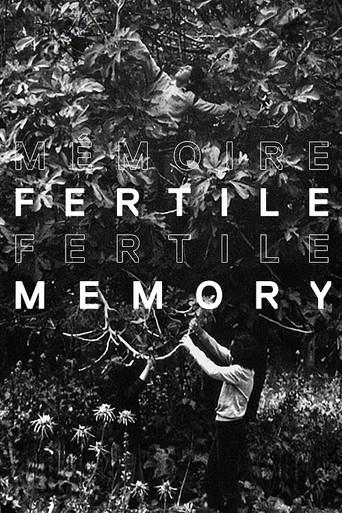
A portrait of two Palestinian women whose individual struggles both define and transcend the politics that have torn apart their homes and their lives. Farah Hatoum, a widow living with her children and grandchildren, and Sahar Khalifeh, a novelist from the West Bank.
Fertile Memory
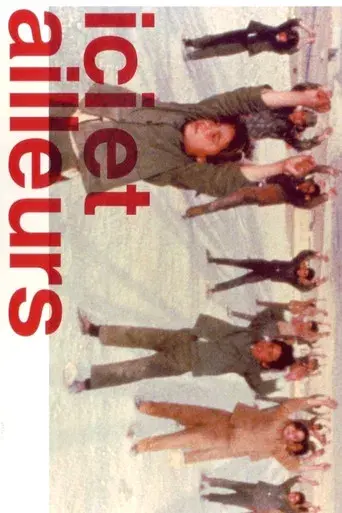
Here and Elsewhere takes its name from the contrasting footage it shows of the fedayeen and of a French family watching television at home. Originally shot by the Dziga Vertov Group as a film on Palestinian freedom fighters, Godard later reworked the material alongside Anne-Marie Miéville.
Here and Elsewhere
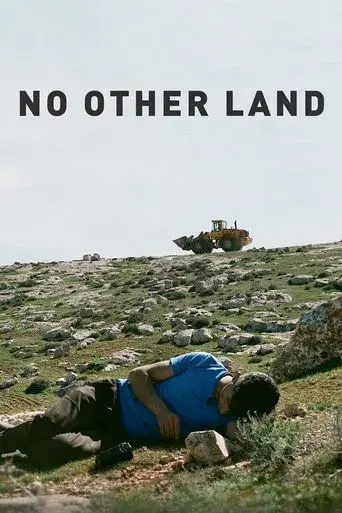
This film made by a Palestinian-Israeli collective shows the destruction of the occupied West Bank's Masafer Yatta by Israeli soldiers and the alliance which develops between the Palestinian activist Basel and Israeli journalist Yuval.
No Other Land


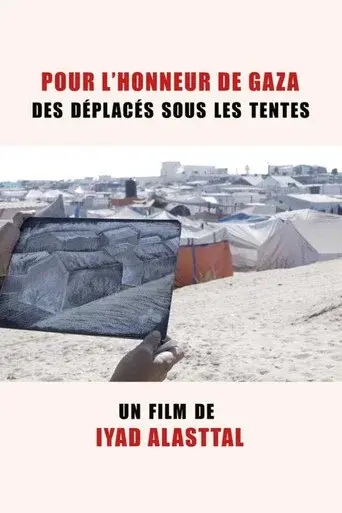
Montage film by Aymeric Caron, broadcast at the French National Assembly on May 29, 2024. “Is it a dream or a reality? » demands a little girl stunned by her injuries. It is a nightmare, without a doubt, and nothing can justify it, neither the crimes of October 7 nor the detention of Israeli hostages by Hamas. Condemning all the crimes of October 7, before and after, condemning anti-Semitism and all forms of racism is common sense. However, it seems that this needs to be clarified. Everyone present normally wishes that the surviving hostages can one day be reunited with their families and that the massacre in Gaza stops immediately. But to follow through with the process is to see things face to face, to see what has been happening in Gaza since October 7, what the Israeli army is doing, what the television channels are not showing.
Gaza, Since October 7


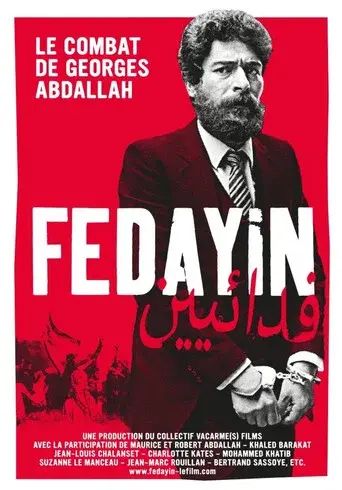
Filmed between 1973 and 1975, L’Olivier was produced by the Vincennes Cinema Group. This activist collective of teachers and filmmakers, formed on the occasion of this film, attempts to explain the Palestinian problem through interviews. The Olivier was one of the first films to attempt to give substance to what was still largely ignored in the West: the existence of the Palestinian people and their fight to recover their rights. L'Olivier responds to a concern: the already weak support of French public opinion for the Palestinian cause diminished following the Munich operation of 1972. Structured in such a way as to tell the Palestinian story and explain the state of the struggle at the time, the film appeals to global militant solidarity and, in particular, to European political commitments.
The Olive Tree

In 2014, during a trip, American Tim Bruns discovered cliffs in a small village five minutes north of Ramallah in Palestine and got to work equipping all the easy routes, then setting up climbing routes so that we can start teaching people how to climb. Bruns and Harris also opened Wadi Climbing, the first indoor climbing gym in Palestine. Today, gathered in the conflict-torn hills of Palestine, a diverse team of Bedouins, activists and urban professionals have embraced climbing as a much-needed respite from the burden of Israeli occupation. American writer and climber Andrew Bisharat visits the West Bank to explore his own roots and the power of climbing to transform lives. This documentary is part of the Reel Rock 17 series released in 2023.
Resistance Climbing
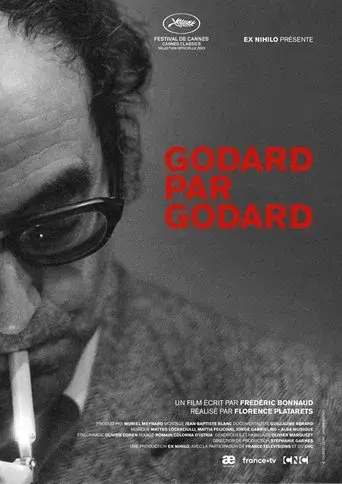
Godard by Godard is an archival self-portrait of Jean-Luc Godard. It retraces the unique and unheard-of path, made up of sudden detours and dramatic returns, of a filmmaker who never looks back on his past, never makes the same film twice, and tirelessly pursues his research, in a truly inexhaustible diversity of inspiration. Through Godard’s words, his gaze and his work, the film tells the story of a life of cinema; that of a man who will always demand a lot of himself and his art, to the point of merging with it.
Godard by Godard

Letter to My Tribe started with a question: Why don’t more Jews and Israelis speak out about Palestine? Over many years my mother, who represents a more messianic perspective, and I have had numerous arguments, some recorded, some not. These form the backbone of this video essay in which Israelis and Jews, journalists, activists and a rabbi are interviewed, and in which documentation of actions on the ground, in the West Bank, are woven with more personal family histories and journeys to Iraq and to Poland.