

Freiheit, Freiheit, Wirklichkeit
Overview
In search of the reality of life for independent musicians in the digital age, the film and art collective "relativ kollektiv" spent over a year accompanying the protagonists of the label and network "Analogsoul" in Leipzig, Berlin, Erfurt, and Jena. The film introduces the musicians in their everyday environments: in rehearsal rooms, during field recordings, at concerts, but also at their "day jobs." Directors André Klar and Benjamin Büttner discover situations between dedication and resignation and shed light on the everyday questions of people whose lives are based on their passion.
Key Film Crew
Production Stats
You May Also Like

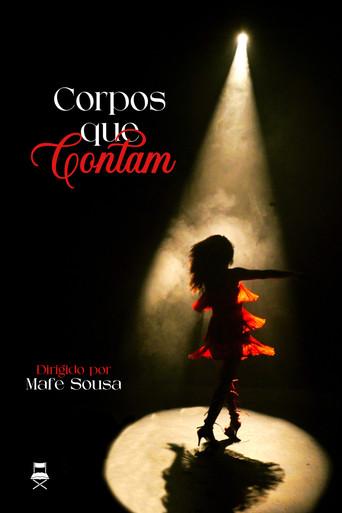
Samba, Popping, and Jazz. Through these dance styles and documentary interviews, Bodies That Tell Stories seeks to discuss the standardization and whitening of dances that had their roots in Black people.
Corpos que Contam
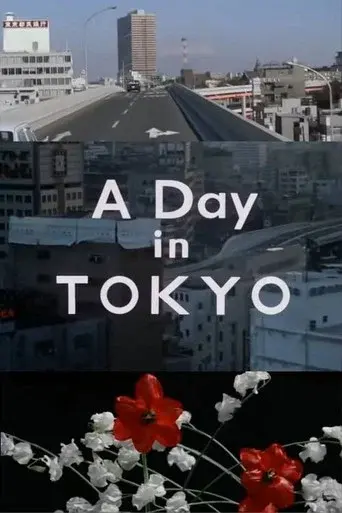
A Day in TOKYO in 1968, Nostalgic bygone era. Planned by Japan National Tourism Organization. Produced by Koga Production. This film was produced to explain Tokyo for foreign tourists.
A Day in Tokyo

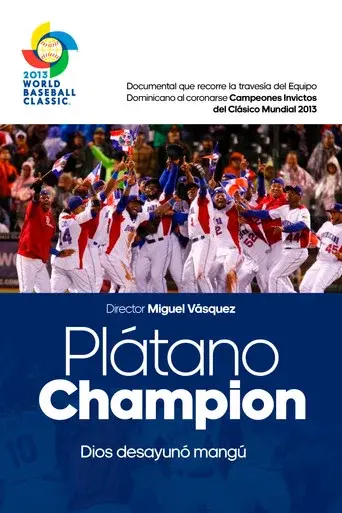
A summary of the Dominican Republic's undefeated championship run in the 2013 World Baseball Classic.
Plátano Champion




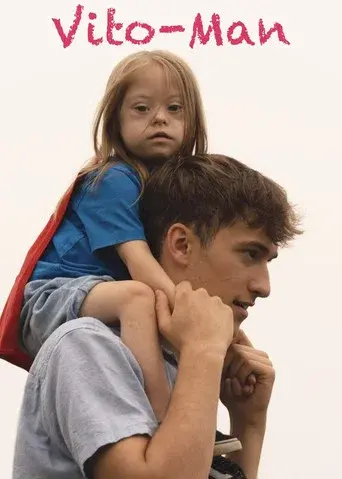
Vito is a sweet little boy with Down syndrome, and this short documentary puts his energetic, jolly personality on full display as he interacts with his loving family. By showing Vito’s dignity and inherent value, Vito-Man tackles the difficult conversation that is the eradication of people with Down syndrome, proving that an extra chromosome should not be a death sentence.
Vito-Man
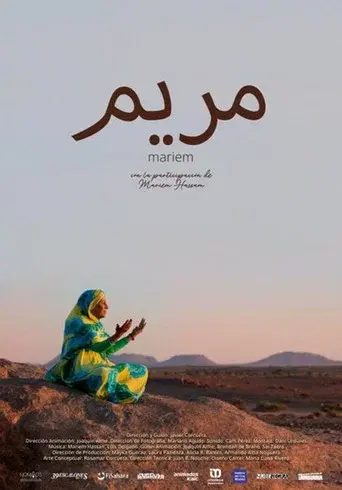
Mariem Hassan, Sahrawi refugee, composer and Western Sahara's most emblematic singer, died of cancer in 2015. Soon before her passing, Mariem returned to the liberated territories of her homeland, where she had spent her childhood. There, she told us her story and sang for the last time. This film pays tribute to her last testimony and her art.
Mariem


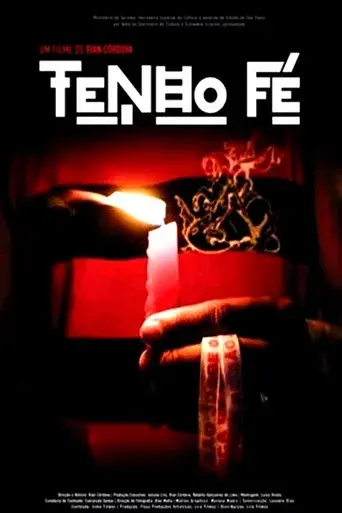
This documentary accompanies the journey of artists who exalt and celebrate ancestry and the orishas in their work. It also offers a manifesto against one of the biggest problems facing Brazil: religious racism. The feature brings together stories from music, theater, fashion, dance and the visual arts to promote reflection on the power and importance of black representation, art and diversity