

Safari
Overview
Between 1933 and 1935, the painter Wilhelm Eggert and his wife Dora Kuster traveled the African continent. Their expedition took them from Mediterranean Algiers through the Sahara and parts of the African west coast to the Congo and Kenya. Not only did the couple explore vast stretches of land that were almost completely unknown, at least to private travelers at the time, they also captured this journey on film. A screenable documentary film was compiled from the original 12,000m of film material. In cinemas and film clubs, European audiences were presented with a film that was evidently able to satisfy an interest in foreign, 'wild' cultures and exotic landscapes, albeit one that was always Eurocentric. The spectacular shots of African lifestyles and nature, which in many respects were new to European viewers who were almost completely unfamiliar with Africa, were praised and appreciated precisely because of their supposed authenticity.
Top Cast

Erwin Hartung
Narrator (voice)
Key Film Crew
Production Stats
You May Also Like
In Uganda, AIDS-infected mothers have begun writing what they call Memory Books for their children. Aware of the illness, it is a way for the family to come to terms with the inevitable death that it faces. Hopelessness and desperation are confronted through the collaborative effort of remembering and recording, a process that inspires unexpected strength and even solace in the face of death.
Memory Books
A Luta Continua explains the military struggle of the Liberation Front of Mozambique (FRELIMO) against the Portuguese. Produced and narrated by American activists Robert Van Lierop, it details the relationship of the liberation to the wider regional and continental demands for self-determination against minority rule. It notes the complicit roles of foreign governments and companies in supporting Portugal against the African nationalists. Footage from the front lines of the struggle helps contextualize FRELIMO's African socialist ideology, specifically the role of the military in building the new nation, a commitment to education, demands for sexual equality, the introduction of medical aid into the countryside, and the role of culture in creating a single national identity.
The Struggle Continues
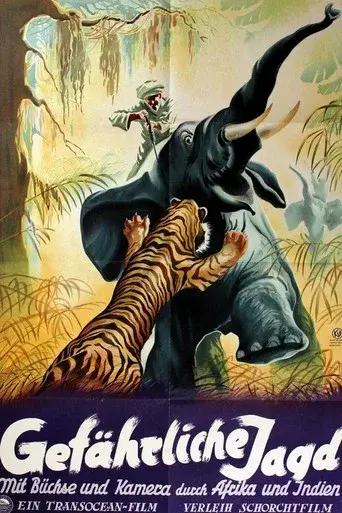
A humorous documentary about a historic hunt in 1929 through the African savannah and Indian jungle with lots of animal footage.
Gefährliche Jagd
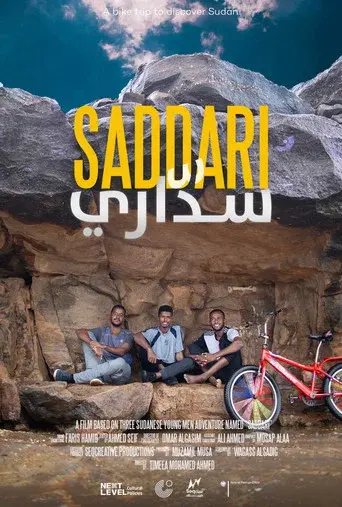
Saddari is a story of A 3 Young bikers decide to hit the road to another state for adventure , Ending up embarking on a challenging bike trip across all of Sudan with less than a 100$ In their pockets combined and worn-out bicycles, Facing numerous challenges along the way.
Saddari
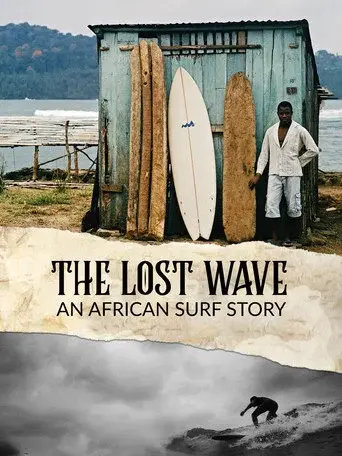
The search to prove that surfing is an African sport by traveling to the remote island nation of Sao Tome.
The Lost Wave
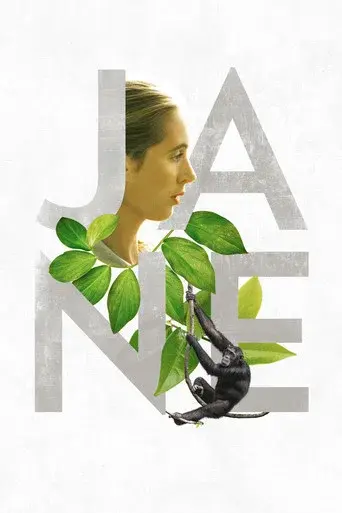
Drawing from never-before-seen footage that has been tucked away in the National Geographic archives, director Brett Morgen tells the story of Jane Goodall, a woman whose chimpanzee research revolutionized our understanding of the natural world.
Jane

Kids from Brooklyn, NY housing projects try to change the world when they are paired with Sierra Leonean pen pals orphaned by a civil war.
Brownstones to Red Dirt

Shot in New York, Cape Town, St Helena and the Atlantic Ocean, Sathima's Windsong, is a lyrical portrait of South African jazz singer, Sathima Bea Benjamin. In her Chelsea Hotel apartment, home for over thirty years, she patches together her journeys, from apartheid's 'pattern of brokenness', to a chance meeting and recording with Duke Ellington in Paris, to making a life in New York. The narrative of her journeys are inter-woven with her music and the musings of folks who know her work. Like her haunting song, Windsong, the film is a meditation on displacement, exile and belonging.
Sathima's Windsong
Introducing a generation of young Africans determined to be the first free of AIDS.
Start with Us
Without a Fight is a feature length documentary film that explores how soccer can facilitate social change in Kibera, one of Africa's largest slums. Footage of violent clashes fueled by polarizing national presidential elections is intertwined with profiles of youth from different religious and ethnic backgrounds as they navigate daily life and prepare for the final championship soccer game of the season. The film provides a glimpse-often a very positive one-into an Africa few have seen. It attempts to break stereotypes associated with people who live in extreme poverty while depicting sports as a tool that could be used to prevent violence among at-risk youth. The film made its World Premiere at the 11 MM Festival in Berlin, Germany in March 2012 and its North American Premiere at the Full Frame Documentary Festival in Durham, NC in April 2012. - Written by Beth-Ann Kutchma
Without a Fight

In a fascinating geopolitical drama, Danish filmmaker Mik-Meyer closely follows Ravalomanana as he attempts to return from exile in South Africa to Madagascar, under the threat of arrest and bodily harm.
Return of a President
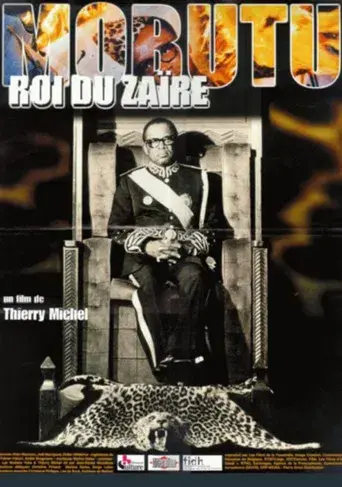
This film is the result of more than two years of work tracking down archive material and witnesses close to Mobutu in Africa, Europe and the U.S. More than 950 hours of footage have been seen by the world. Among the 104 hours selected as the basis for this film, are 30 hours of archives recently discovered in Kinshasa and never before released. Completing these exceptional documents, are more than 50 hours of interviews with those close to the former president and the events surrounding his reign, conducted by the director in Kinshasa, Brussels, Paris and Washington. Like a vast historical puzzle, this film pieces together the tragic history of a country, and its self-styled leader - the dictator, Mobutu Sese Seko, "King of Zaïre".