Overview
touristic intents is a feature documentary film that explores the connection between mass tourism and political ideology. The film is centered on a case study: the never-completed Nazi resort of Prora, on Germany’s Baltic Sea, which was built on a mammoth scale beginning in 1936 to house 20,000 vacationing working-class Germans. This 4-mile-long building was used in propaganda to forward a promise of leisure time for the masses and strengthen sympathies between the workers and the Nazi party. Although the Nazis left the site unfinished, the Socialist East German government continued construction in the 1950s, using it for military training as well as housing for conscientious objectors pressed into labor by the GDR regime. After decades of abandonment, the massive edifice is now being redeveloped into apartments, condominiums, hotels, and a youth hostel.
Key Film Crew
Production Stats
You May Also Like





Documentary about Queen Elizabeth Square, Sir Basil Spence's block of Brutalist style flats built to replace the Gorbal's tenements in Glasgow during the 1960s. His vision was based on architect Le Corbusier's ideas and inspired him to transform the Gorbals into a Modernist Utopia. The film is about the life and times of one building told by some of the people involved in its history. The block was dynamited in 1993 amidst controversy and the death of a spectator. It is mentioned in Pevsner's Notable Buildings of Britain. This film was shown on BBC Scotland's Ex-S strand in 1993. Produced by May Miller and directed by Conrad Blakemore. This film is posted for educational and research purposes only and is copyright of BBC Scotland. Archive material courtesy of the Scottish Film Archive and the film's contributors.
High Rise and Fall


A core group of architects embraced the West Coast from Vancouver to LA with its particular geography and values and left behind a legacy of inspired dwellings. Today, architects celebrate the influence established by their predecessors.
Coast Modern





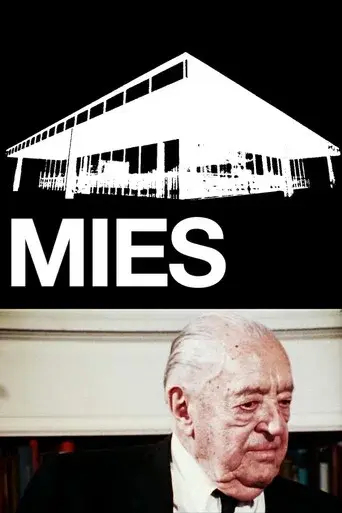
No understanding of the modern movement in architecture is possible without knowledge of its master builder, Mies van der Rohe. Together with documentation of his life, this film shows all his major buildings, as well as rare film footage of Mies explaining his philosophy. Phyllis Lambert relates her choice of Mies as the architect for the Seagram building. Mies's achievements and continuing influence are debated by architects Robert A.M. Stern, Robert Venturi, and Philip Johnson, by former students and by architectural historians. Mies is seen in rare documentary footage.