Chief Rabbi's Emergency Council
Overview
Poignant postwar appeal for Britain’s Jewry to support orphaned Jewish children rescued from Europe.
Key Film Crew
Production Stats
You May Also Like

When World War II broke out, John Ford, in his forties, commissioned in the Naval Reserve, was put in charge of the Field Photographic Unit by Bill Donavan, director of the soon-to-be-OSS. During the war, Field Photo made at least 87 documentaries, many with Ford's signature attention to heroism and loss, and many from the point of view of the fighting soldier and sailor. Talking heads discuss Ford's life and personality, the ways that the war gave him fulfillment, and the ways that his war films embodied the same values and conflicts that his Hollywood films did. Among the films profiled are "Battle of Midway," "Torpedo Squadron," "Sexual Hygiene," and "December 7."
John Ford Goes to War

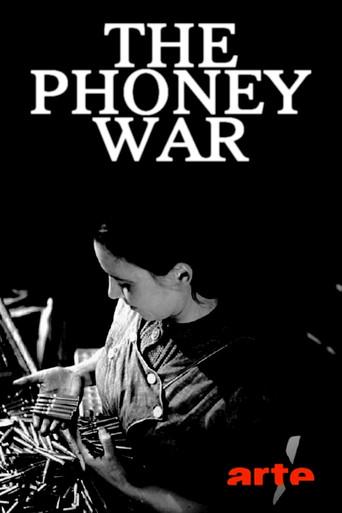
September 3rd, 1939. Britain and France declare war on Nazi Germany, only two days after the Wehrmacht invades Poland. This day, the sad date when the fate of the world changed forever, the Phoney War began: eight months of uncertainty, preparations, evacuations and skirmishes.
The Phoney War


On June 10, 1944, the SS murdered nearly the entire population of the French village of Oradour. The ruins still stand, the population is buried in the cemetery. Only one person has ever been convicted of this crime: the former SS-Obersturmführer Heinz Barth.
Die Bewältigung: Oradour

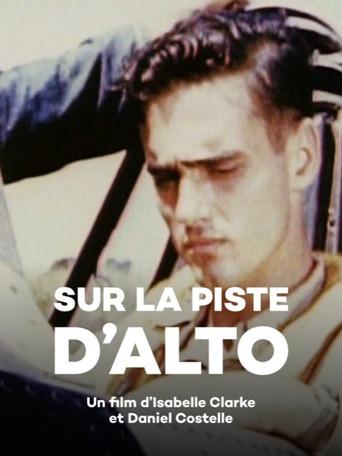
This film brings to life, thanks to unknown footage from the great American director William Wyler, an important period in the history of Corsica during World War II. In 1944, the Alto base near Folelli was home to both a group of fighter-bombers from the U.S. Army Air Force (the 57th Fighter Group) and the famous French Lafayette fighter group. Day after day, the young pilots of these two units took off from the Alto runway in their P-47 Thunderbolts to attack, strafe, and bomb the German troops who, in Italy, had halted the Allied advance at Monte Cassino and participated in the Provence landings in August 1944. Isabelle Clarke and Daniel Costelle tracked down the pilots, and sixty years later, these pilots are reunited...
Sur la piste d'Alto
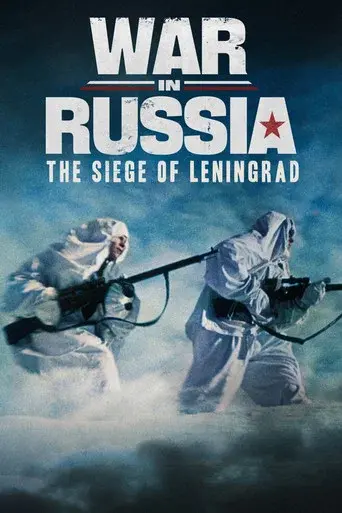

During World War II, thousands of Japanese Americans were forced into relocation camps across the U.S. This film traces the lives of the 16,000 people who were sent to two camps in southeast Arkansas where racial segregation was at its height.
Time of Fear

William Wolff is nearly 90 and perhaps the most unconventional rabbi in the world. As the State Rabbi of North-East Germany, he looks after the Jewish Communities in Schwerin and Rostock, but still lives in a bungalow near Henley-on-Thames. Midweek he usually flies from Heathrow to Germany. After the services on Saturdays, he either makes his way home or on a leisure city trip. His annual highlight is betting at the Horse Race of Royal Ascot and joining a fasting-retreat in Bad Pyrmont. Willy Wolff leads a Jet-Set-Life, which he actually cannot afford, but dealing with money isn't one of his strengths. Naturally, that occasionally leads to quite temporal conflicts. Rabbi Wolff is the portrait of a fascinating character, a deeply religious man who, blessed with a tremendous joie de vivre, defies all conventions. More than that, it gives insight into the world of Judaism and introduces us to a uniquely German biography.
Rabbi Wolff
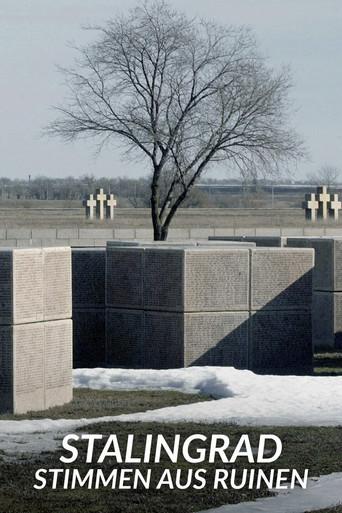

The classic movie "The Great Escape" was based on a real life escape attempt during the second world war. This documentary follows Archaeologists who are trying to find the original tunnels dug by the real prisoners of war who escaped. Some of the surviving prisoners also join the team to assist with the tunnel locations and to describe what it was really like to live that situation. In an effort to understand the technical details of how this feet of ingenuity was achieved, the team recreate some of the equipment used by the prisoners.