
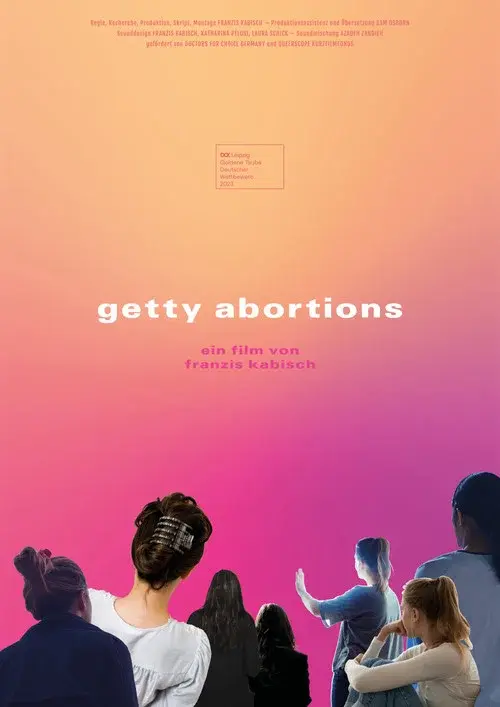
getty abortions
Overview
What images do we associate with abortion and why? Where do these images and the emotional scripts in our head come from? How do they influence women who (want to) have an abortion, how do they shape the general discussion? Franzis Kabisch’s personal desktop documentary investigates these questions with great precision, clarity and humour (yes, humour, too!).
Top Cast

Franzis Kabisch
Self (Voice)
Key Film Crew
Production Stats
You May Also Like
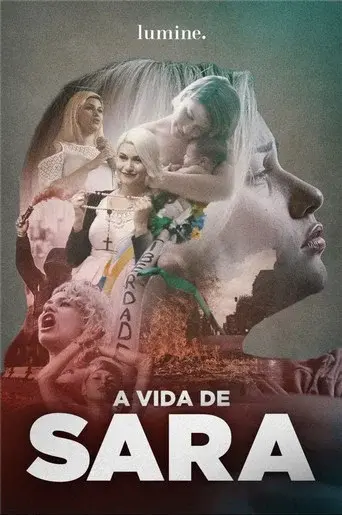
The life of Sara Winter - former Brazilian feminist and founder of FEMEN in Brazil - told by herself; since the troubled youth, through the years of prostitution and feminist militance, until the discovery of motherhood and God.
A Vida de Sara


As local newsrooms vanish, "News Without a Newsroom" explores journalism's uncertain future in the digital age. Through powerful stories and expert insights, the film examines the collapse of traditional media, the rise of misinformation, and the fight to preserve truth, trust and accountability in an era of disruption.
News Without A Newsroom

Tells a story about a blurry photo of a woman who works in the media industry in Indonesia. This movie has several perspectives. One point of view is of a woman who works in a media and the other is about the sexual minority, people who aren’t allowed to appear on television due to their sexuality.
More Than Work
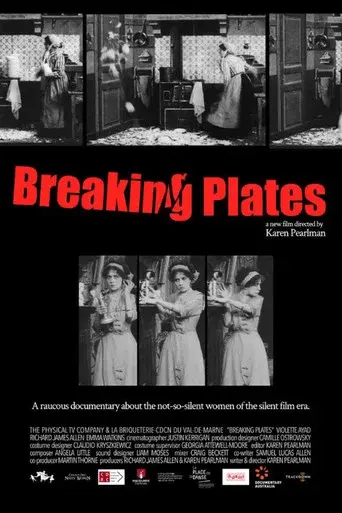
A unique hybrid of documentary, silent film, drama and dance, 'Breaking Plates' puts revolutionary women of the past on the screen with present day filmmakers. Contemporary women talk to characters from 100 years ago, reanimate their antics and emulate their mayhem moves. As early 21st century performers step into the clothes of their early 20th century counterparts, battling their haywire machines, exploding gags, and eruptive bodies, they learn to wield humour as a weapon against the structures that contain them today.
Breaking Plates
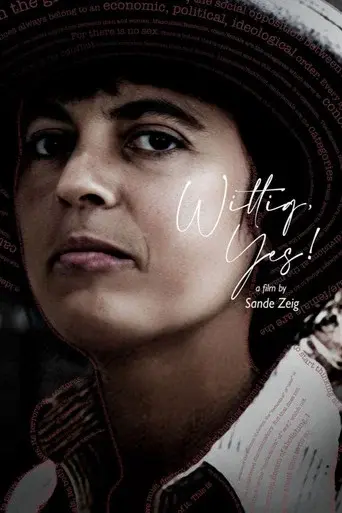
Wittig Yes! introduces Wittig’s political, theoretical, and literary ideas through the creative collaborations with her partner Sande Zeig and a new generation of international academics and writers who articulate the foundations of her conceptual revolution. Zeig interweaves excerpts of work they developed over the years through archival film, photographs, personal notes, as well as theatrical readings. We move with them from France, to Greece, California, and Arizona. The three decades of public and private archival materials unveil Monique Wittig not only as a revolutionary writer, thinker, and activist but also as a multifaceted individual with a profound compassion for others, a deep love of nature, and an exceptional sense of humor. She leaves a legacy that continues to have an impact on our current ideas of gender and political thought.
Wittig, Yes!

At the beginning of winter, a filmmaker retires for six months to a hermit's cabin in the middle of the forest, cut off from the world and its means of communication. Through the words of four women she has filmed previously, all of whom have dedicated their lives to different forms of spirituality, she embarks on a mysterious inner adventure, on the edge of solitude and nature. A journey that invites us to connect with the world in a different way.
Wild Women
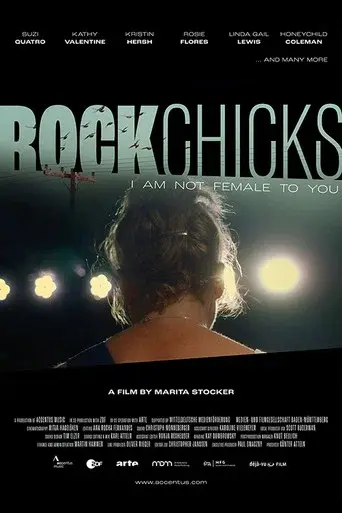
Rock'n'roll was a man's world they say. The film documents the often ignored female impact on rock's history, from the groundbreaking guitar stylings of Memphis Minnie and Sister Rosetta to the gnarly singing of Big Mama Thornton. Musicians as different as Suzi Quatro and Kristin Hersh tell about their experiences on and off the grid of stardom and the music industry.
Rock Chicks

A taboo in the family: the death of my great-grandmother Sofía. The surface of this history is known but not the background and much less the beginning, only its end. The tragic end The answers are in the family, in my grandparents and my uncles. This project is a tribute to her and the woman she was.
Sofía
American television programming dominates around the world at the expense of regional cultural voices.
Distress Signals
A startling expose of rape crimes on US campuses, their institutional cover-ups, and the devastating toll they take on students and their families. The film follows the lives of several undergraduate assault survivors as they attempt to pursue—despite incredible push back, harassment and traumatic aftermath—both their education and justice.
The Hunting Ground
With analog and digital material collected during her stay on a "Work Trip" taking care of children in an American kindergarten as a migrant. I'm not speak English proposes —as a visual autobiography— to make visible a phantasmagorical light as a metaphor for the sudaca's bodies that work in invisible care task. Migrant bodies who bear as an imperceptible force the North American Nation.

