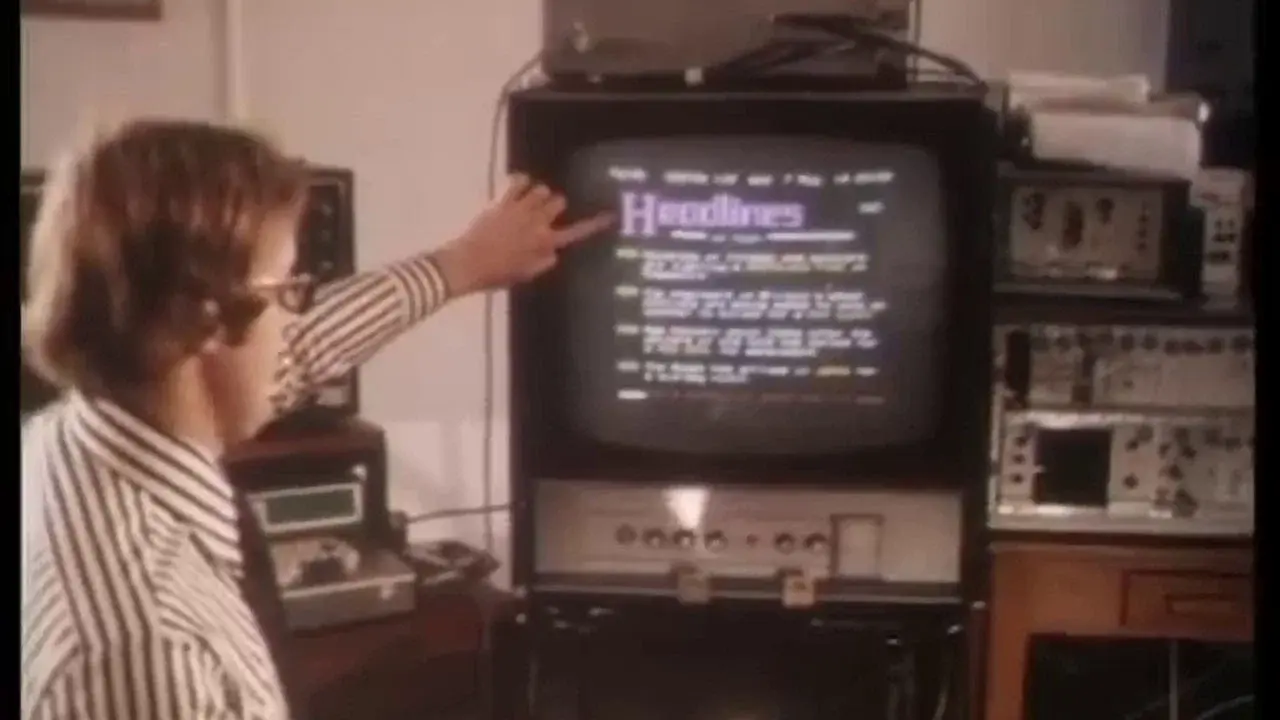

This is CEEFAX
Overview
A look-behind-the-scenes at a television development that could be in everyone's home in just a few years' time. Reporter Angela Rippon tells the story of CEEFAX - the BBC's latest form of broadcasting. She visits Kingswood Warren where BBC Research Department 'boffins' developed it; and looks at some of its uses: News, weather, travel, sports results, farm prices and business information.
Top Cast

Angela Rippon
Self - Reporter
Key Film Crew
Production Stats
You May Also Like


In this feature-length documentary from 1976, Leslie Mitchell and special guests recall the birth of BBC Television forty years before.
The Birth of Television

Cold War film illustrating the defense capacity of America's telephone network, highlighting AT&T's role in the design and construction of the nation's integrated defense structure, including the Distant Early Warning Line and the North American Air Defense Command. In the dramatic ending, rockets and missiles are fired at hostile forces in a readiness exercise and score a direct hit.
Seconds for Survival

A documentary looking at the rise of the digital nomad around the world. Future of work or neo-colonialism? Through interviews with advocates, academics and authorities, this film examines the issues surrounding the supposed "dream life."
One Way Ticket


The ChipTune Story focuses on 8-bit music and the C64 SID chip. Featuring interviews with games 8-bit music composers Rob Hubbard, Chris Huelsbeck, Ben Daglish, Mark Knight. We look at the history of ChipTune from 8-bit to 16-bit sampling.
The Chiptune Story
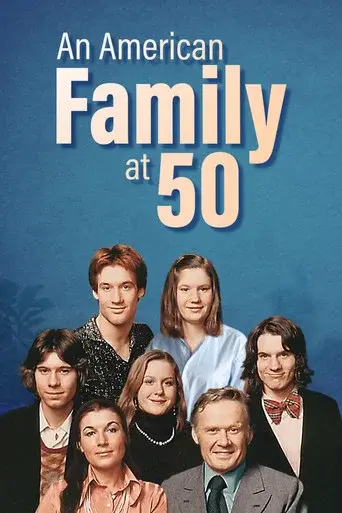
TV special revisiting the documentary series that became a media sensation 50 years ago and birthed a new television genre. Examines the enduring significance of the series, which chronicled seven months in the lives of the Loud family of Santa Barbara, California.
An American Family at 50


This ABC/PEOPLE television special highlights the impact of the soap opera. In today's shifting television landscape, "The Story of Soaps" traces how female creators migrated from radio to television to become the dominant force in daytime for more than three decades. Today, the legacy of the soap opera continues all over prime time and reality t.v. An extensive look is taken at this iconic, impactful genre.
The Story of Soaps
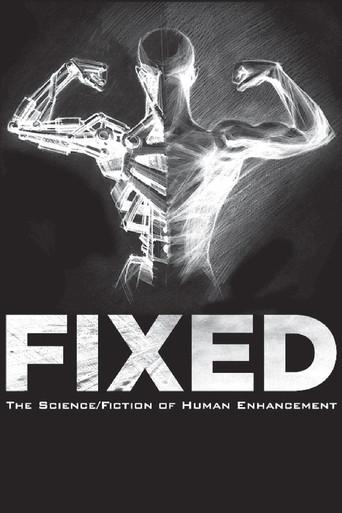

Conceived as an electronic road movie, this documentary investigates cutting edge technologies and their influence on our culture as we approach the 21st century. It takes off from the idea that mankind's effort to tap the power of Nature has been so successful that a new world is suddenly emerging, an artificial reality. Virtual Reality, digital and biotechnology, plastic surgery and mood-altering drugs promise seemingly unlimited powers to our bodies, and ourselves. This film presents the implications of having access to such power as we all scramble to inhabit our latest science fictions.
Synthetic Pleasures
Twitch follows 18-year-old Kristen Powers as she undergoes genetic testing for the disease that killed her mother. Huntington’s Disease (HD), a neurodegenerative brain disorder, destroys an individual’s ability to walk, talk, think, and reason, eventually leading to death. The film will chronicle the emotional, social and medical journey through this important test, as well as the impact it has on an individual’s future. Twitch explores the science with major Huntington’s Disease experts and activists who will provide deeper insight into the complexities and hopes buried in the disease. Huntington’s has great stigma surrounding it; solving its mystery could potentially lead to the cures of not only HD but also several other neurological illnesses such as Parkinson’s, Alzheimers and ALS. This documentary will highlight the pressures people, especially young adults, face when given the chance to be handed their medical fate.
Twitch


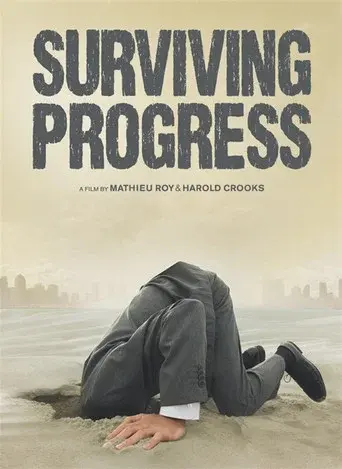
Humanity’s ascent is often measured by the speed of progress. But what if progress is actually spiraling us downwards, towards collapse? Ronald Wright, whose best-seller, “A Short History Of Progress” inspired “Surviving Progress”, shows how past civilizations were destroyed by “progress traps”—alluring technologies and belief systems that serve immediate needs, but ransom the future. As pressure on the world’s resources accelerates and financial elites bankrupt nations, can our globally-entwined civilization escape a final, catastrophic progress trap? With potent images and illuminating insights from thinkers who have probed our genes, our brains, and our social behaviour, this requiem to progress-as-usual also poses a challenge: to prove that making apes smarter isn’t an evolutionary dead-end.