

Overview
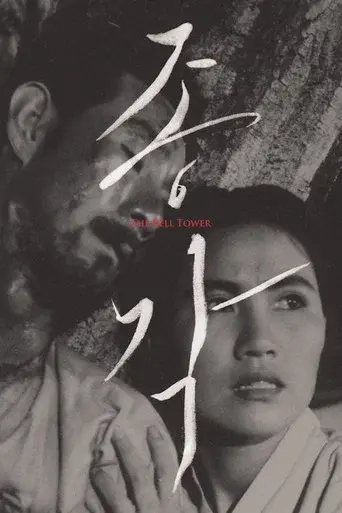
Donghak Rebellion (Donghak Peasant Movement) takes place in Hongjuseong (now Hongseong). Manhae, a boy who participates in the Donghak Rebellion as a 16-year-old, steals 1,000 nyang and sends it to military funds. At the age of 55, at Simujang in Seongbuk-dong, Manhae remarried while staying in a boarding house. While making a living by sewing his wife's wages, Manhae continues to resist Japanese imperialism by participating in the movement against the name change of the Chang clan and against the dispatch of Korean student soldiers along with writing. He takes over the military funds from Madam Baekhwa of Myeongwol in Yongjing. Lee Hwa-yeong hands over the military funds with Man-hae. In 1944, Manhae passed away at the age of 66. As the poem "Your Silence" flows, Manhae's achievements are introduced as highlights, and his subtitles flow.
Top Cast

Oh Ahn-jin
Manhae Han Yong-un
Lee So-mang
Hwa-yeong, Manhae's Advisor
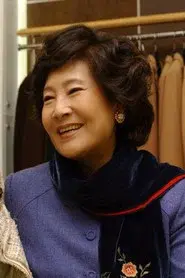
Jung Hye-sun
Manhae Han Young-un's Mother
Bae Min-ju
Special Branch Prosecutor of Keijo Public Prosecutor's Office
Kim Hyeon-jeong
Seol Do-young, Female Independence Activist
Seo Ji-woo
Yu Gwan-sun
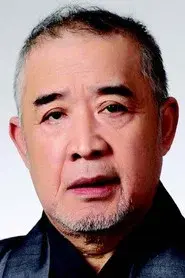
Kim Hee-ra
Monk of Daegaksa Temple

Ahn Byeong-kyeong
Chief Judge of Keijo Appellate Court

No Hyeon-hee
President of Nang Nang Club

Kim Hyeong-il
Principal of Manchurian Military Academy
Lee Hoe-yeong
Rich Man Lee Hee-yeong
Yoo Young-mi
Yoo Sook-won, Manhae Han Yong-un's Wife
Key Film Crew
Production Stats
You May Also Like
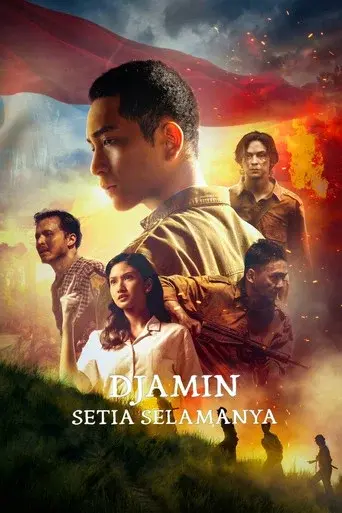
Educated under colonial rule, a determined young man from Tanah Karo enlists in a paramilitary unit under the false promise of liberation, ultimately rising to become a pivotal military strategist in North Sumatra's guerrilla defense while balancing acute domestic sacrifices with absolute duty to the nascent Indonesian Republic.
Djamin Setia Selamanya

Newspaper magnate Charles Foster Kane is taken from his mother as a boy and made the ward of a rich industrialist. As a result, every well-meaning, tyrannical or self-destructive move he makes for the rest of his life appears in some way to be a reaction to that deeply wounding event.
Citizen Kane
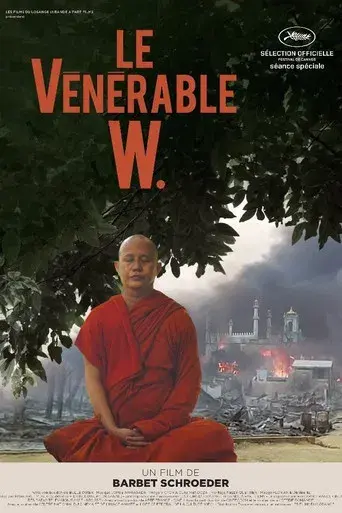
A view of the religious tensions between Muslims and Buddhist through the portrait of the Buddhist monk Ashin Wirathu, leader of anti-Muslim movement in Myanmar.
The Venerable W.
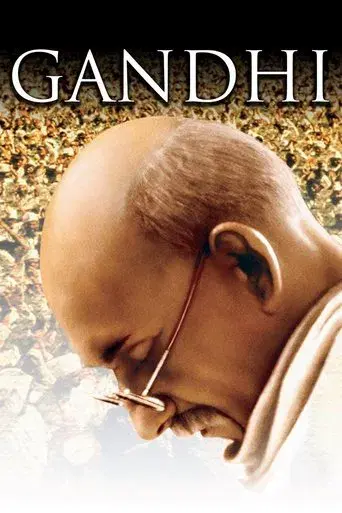
In the early years of the 20th century, Mohandas K. Gandhi, a British-trained lawyer, forsakes all worldly possessions to take up the cause of Indian independence. Faced with armed resistance from the British government, Gandhi adopts a policy of 'passive resistance', endeavouring to win freedom for his people without resorting to bloodshed.
Gandhi
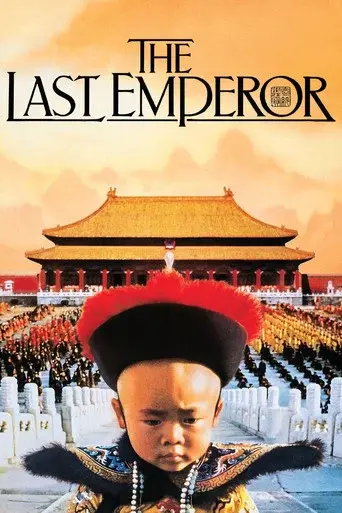
A dramatic history of Pu Yi, the last of the Emperors of China, from his lofty birth and brief reign in the Forbidden City, the object of worship by half a billion people; through his abdication, his decline and dissolute lifestyle; his exploitation by the invading Japanese, and finally to his obscure existence as just another peasant worker in the People's Republic.
The Last Emperor

Belonging Syndrome is a short documentary that follows Duang, a second-generation Italian-Thai girl. Duang, during a period of stay in a monastery. Through her inner diary, the film explores a suspended phase of life: the one in which identity it is not yet defined and belonging becomes an open question. The monastery becomes the physical and symbolic place where Duang observes herself. Immersed in a daily life marked by rituals, silences and repeated gestures, the protagonist goes through an experience of deep listening, in which time slows down and perception is refined. Belonging Syndrome talks about hybrid identities, cultural legacies that coexist without completely merging, the difficulty and possibility of inhabiting multiple worlds without having to choose just one. It is an intimate and contemplative story about the search for balance in a fragile and open phase of existence.
Belonging Syndrome


A love story situated in the Himalayas. A Buddhist monk can't choose between life and the way of the Buddha.
Samsara
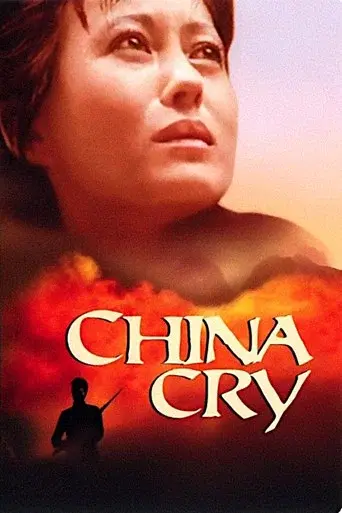
Young Sung Neng Yee, who is brought as part of a wealthy Chinese family. She is eager to become part of Mao Tze Tung's "new society", but soon becomes disenchanted by the economic misery the changes bring to her family. Before long, the authorities become aware of Neng Yee's feelings and she is taken to a labour camp, overseen by the sadistic Colonel Cheng.
China Cry


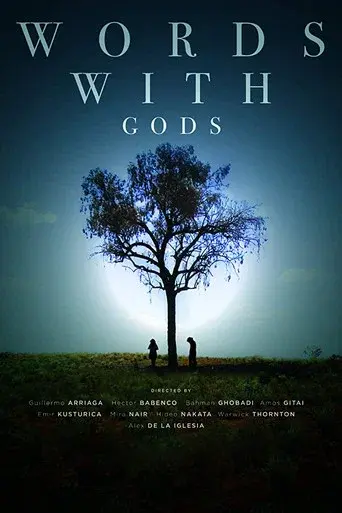
The first of four installments in the groundbreaking Heartbeat of the World anthology film series. Comprised of several short films by some of the world's most exciting directors, Words with Gods follows the theme of religion - specifically as it relates to an individual's relationship with his/her god or gods...or the lack thereof. In Words with Gods, each director recounts a narrative centered around human fragility, as well as environmental and cultural crises involving specific religions with which each has a personal relationship; including early Aboriginal Spirituality, Umbanda, Buddhism, the Abrahamic faiths, Hinduism, and Atheism. An animated sequence by Mexican animator Maribel Martinez is woven through each of the film segments, with each segment narratively connected as a feature-length film.
Words with Gods

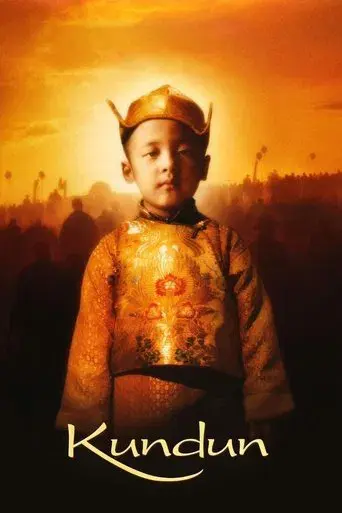
From childhood to adulthood, Tibet's fourteenth Dalai Lama deals with Chinese oppression and other problems.
Kundun
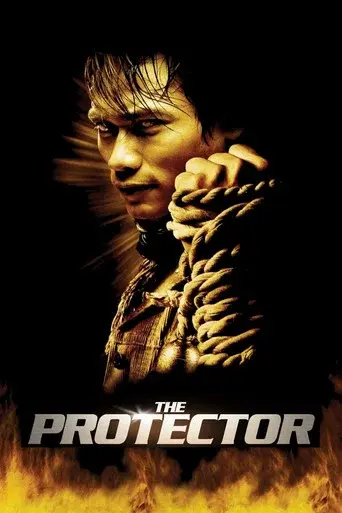
A young fighter named Kham must go to Australia to retrieve his stolen elephant. With the help of a Thai-born Australian detective, Kham must take on all comers, including a gang led by an evil woman and her two deadly bodyguards.
The Protector

Fanny Kondoh, a young Indonesian woman, falls in love with Hajime Kondoh, a Japanese man who comes to Indonesia for work. After getting married, Fanny and Hajime begin building a life together, embracing both its joys and challenges. As they struggle to fulfill their dream of having a child, they are faced with one heartbreaking trial after another, testing the strength of their love, especially when Hajime is diagnosed with cancer.