Overview
Starting in 1979, nearly 2,000 children were evacuated from Namibia (and refugee camps in neighboring Angola and Zambia) to protect them from the violence of civil war between South Africa and the socialist liberation movement, SWAPO. In a gesture of allyship with SWAPO, the GDR accepted almost 500 children for their “protection, education, and socialist training.” In 1990, they were suddenly returned—after Namibia's independence and first all-race elections, which took place the same week as the Berlin Wall opened. The young people interviewed in this film reflect on the experiences of the Namibian children who spent their childhoods in East Germany, focusing especially on their sense of identity and the difficulties they faced fitting into society.
Key Film Crew
Production Stats
You May Also Like


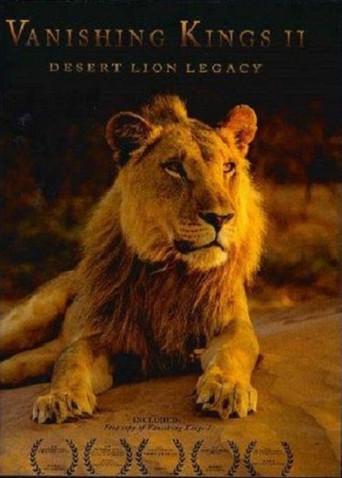
Meet the "Five Musketeers," five inseparable lion brothers raised in the ancient Namib Desert. When they eventually become independent from their mothers, they venture into the desert in search of their own kingdom--a journey fraught with treacherous terrain and conflict. Follow a remarkable desert coalition and see how one lion, despite hardship and loss, attempts to keep the legacy of the musketeers alive.
King of the Desert Lions
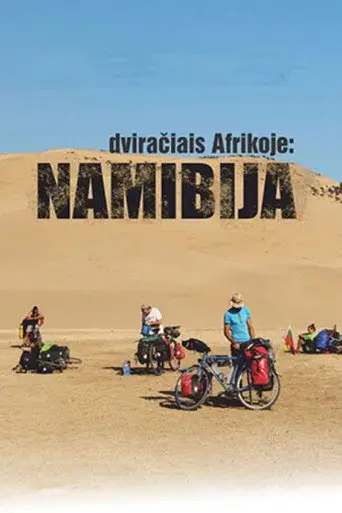
"Africa Light" - as white local citizens call Namibia. The name suggests romance, the beauty of nature and promises a life without any problems in a country where the difference between rich and poor could hardly be greater. Namibia does not give that impression of it. If you look at its surface it seems like Africa in its most innocent and civilized form. It is a country that is so inviting to dream by its spectacular landscape, stunning scenery and fascinating wildlife. It has a very strong tourism structure and the government gets a lot of money with its magical attraction. But despite its grandiose splendor it is an endless gray zone as well. It oscillates between tradition and modernity, between the cattle in the country and the slums in the city. It shuttles from colonial times, land property reform to minimum wage for everyone. It fluctuates between socialism and cold calculated market economy.
Africa Light / Gray Zone
Brown hyena expert Ingrid Wiesel wants to find her favourite study animal, named Tosca, who has disappeared from her home range on Namibia’s wild west coast. Ingrid's spent the last 17 years studying brown hyenas - now she must journey deep into Tosca's world to discover what exactly has forced her to leave her traditional hunting grounds.
Hyena Coast

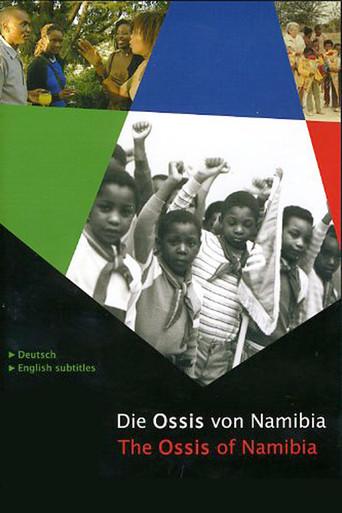
The film describes the individual search of East German children from Namibia for their homeland and roots.
The Ossis of Namibia

Threatened by the guns of Southern Africa's farmers, black-backed jackals have found shelter in a new but arid area, Namibia's Skeleton Coast.
Gangster Jackals

On the harsh and unforgiving plains of central Namibia, Africa, a young honey badger named Grit has just left home to venture out in the great, wide world, but it won't be easy. Fewer than half of all young honey badgers survive their first few weeks on their own, as they deal with intense heat, starvation, and round-the-clock threats from the many predators of the savannah.
Honey Badger: Grit

Many years ago lions thrived in the deserts of Namibia's Skeleton Coast, until they were exterminated by man. Six years ago maverick biologist Flip Stander discovered a tiny remnant population alive and well in nearby mountains, and started to study them. Their numbers have grown and they are now returning to the desert in increasing numbers. But if these lions are to continue roaming here, Flip will have to persuade local people that these lions are worth more alive than dead