

Cirugía y recuperación
Overview
No overview summary available for this movie.
Key Film Crew
Production Stats
You May Also Like

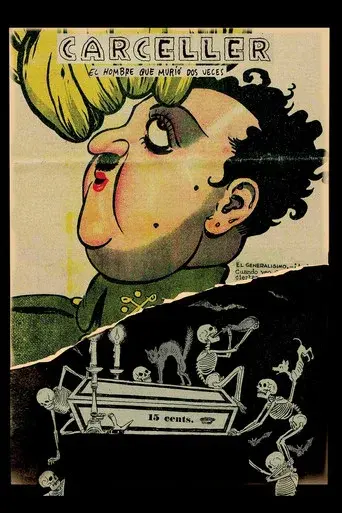
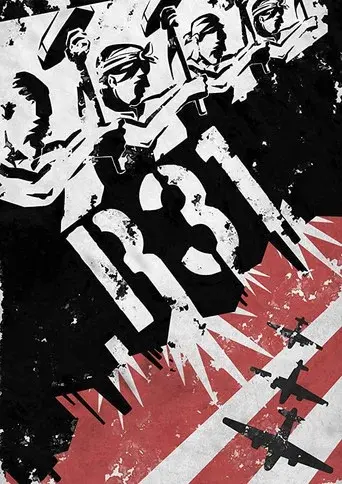
This film focuses on the Spanish Civil War that occurred in the 1930s as a result of the attempted Communist takeover of the Republican government. It documents how a handful of infiltrators and agitators were able to capture the country while the majority was either fooled by slogans of promised reform or frightened by acts of terrorism into non-resistance. This documentary was produced by the Committee to Research the Spanish War Knoxville, Tennessee
Only The Brave Are Free
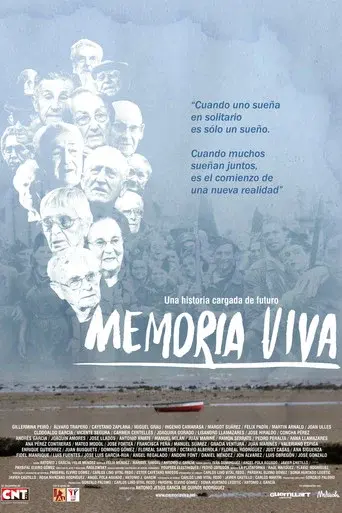
The Living Memory Project began back in 2009 on the 70th anniversary of the end of the Spanish Civil War with the recording of the event, organized in Paris to the Spanish Exiles and the victims of the Nazi extermination camp of Mauthausen. Our goal thereafter focused on collecting the greatest possible number of testimonies related to the history of Spanish anarcho-syndicalism. As part of the celebrations of 100 years of CNT we set up the project, the union decided to fund it and we set off . We travelled 12,000 km visiting three countries relying on the logistical support of CNT and selfless work of their members as well as partners Malicious Films GuerrillART. This is the result: 80 hours worth of records, 300 hours worth of testimony in timing and transcription meant for reference purposes at the Anselmo Lorenzo Foundation and 0 actors. Written by Antonio J. García de Quirós Rodríguez
Living Memory

Joris Ivens’s advocacy documentary for the Republican cause intercuts a besieged Madrid with a nearby village digging an irrigation canal, linking the war to bread, land, and survival. Produced by the writers’ collective Contemporary Historians, edited by Helen van Dongen, scored by Marc Blitzstein, and narrated in its U.S. version by Ernest Hemingway (after an initial Orson Welles track), it blends frontline reportage with persuasion against Franco’s forces and their German–Italian backers.
The Spanish Earth

The story of the tortuous struggle against the silence of the victims of the dictatorship imposed by General Franco after the victory of the rebel side in the Spanish Civil War (1936-1975). In a democratic country, but still ideologically divided, the survivors seek justice as they organize the so-called “Argentinian lawsuit” and denounce the legally sanctioned pact of oblivion that intends to hide the crimes they were subjects of.
The Silence of Others

Contracampos is the attempt to (re)build a landscape. A recreational area and a shooting range in the west of Asturies, which, between 1937 and 1943, housed a Francoist concentration camp through which thousands of Republicans passed – firstly militiamen, later guerrillas and their relatives. Sharing a leisurely observation with the viewer, the film intends to resignify that space, giving it back its political meaning. But it is not a question of showing –of filming– the invisible, but rather of showing what is missing in what exists today. What was and is no longer, not even in people's memories.
Contracampos

In 1948 Pablo Picasso met the hairdresser Eugenio Arias. Both were linked by the fate of emigration. If Picasso initially only had his hair cut by Arias, a deep friendship soon developed.
Picassos Friseur
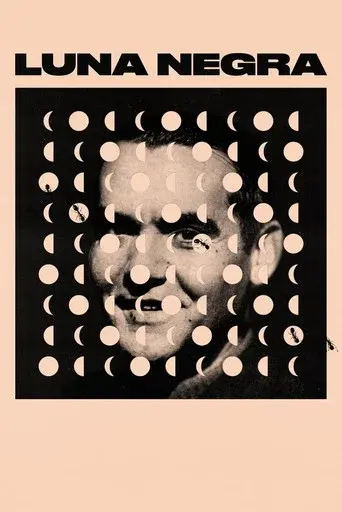

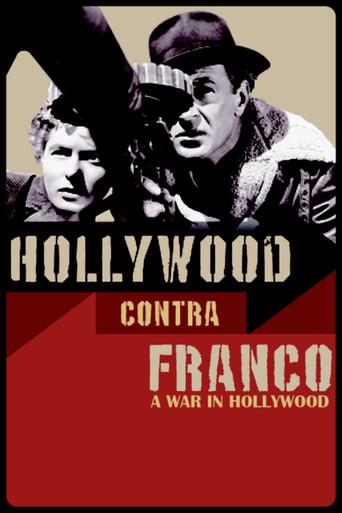
The Spanish Civil War (1936-1939) caused a great impression on the lives of most of the American artists of that era, so many movies were made in Hollywood about it. The final defeat of the Spanish Republic left an open wound in the hearts of those who sympathized with its cause. The eventful life of screenwriter Alvah Bessie (1904-1985), one of the Hollywood Ten, serves to analyze this sadness, the tragedy of Spain and its consequences.