

Chaos in de Rechtsstaat
Overview
A film about the way of life of young people in a squatted and barricaded building, the confrontations with the state for the preservation of the building, the differences of opinion within the squatting movement on strategic and tactical issues, the political pressure from the House of Representatives and the government, and the actions of the authorities, including riot police, tanks, and mass arrests.
Key Film Crew
Production Stats
You May Also Like
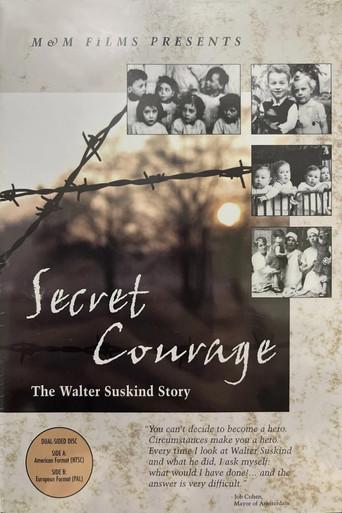


1989, New York City's Alphabet City and East Village. A year after the Tompkins Square Park Riot, squatters and their community allies try to stop the demolition of their building after an arson. Police forces occupy the neighborhood while the demolition continues. A portrait of an East Village that is no more. An homage to the voices and sounds of a neighborhood before its gentrification.
How to Squash a Squat

Cranes and Voices follows, on one side, people who hear voices and share their daily lives, and on the other, a collective of tenants who investigate their neighbourhood through its noises, its vibrations and its construction sites. The film moves through apartments, streets, meetings and moments of sound creation, where voices, urban noises and recorded materials are transformed into collective sound compositions and spaces for exchange. Sound appears here as an ambivalent force, at once invasive and generative, shaping the way we inhabit the city, other people and ourselves. Cranes and Voices invites us to pay attention to these singular listening experiences, to hear what they reveal about the housing crisis, about how mental health is viewed and about the ways we organise our shared spaces.
Cranes and Voices
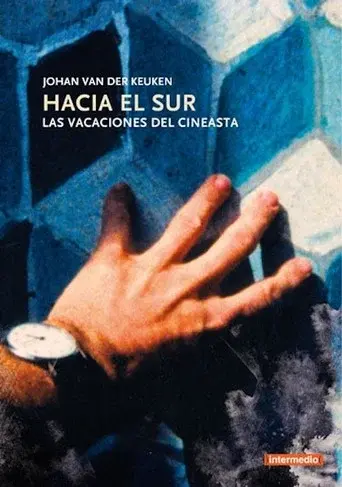
Johan van der Keuken went against the grain in 1980: from Amsterdam (on April 30 with the coronation riots and squatting actions) via Paris, southern France and Italy to Egypt. He made his personal travelogue in three parts for VPRO television. Later, he fused the three parts into one long movie.
The Way South
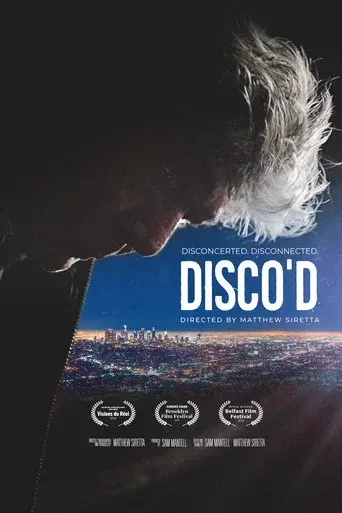
“Set against the rattle of shopping carts and the white noise of L.A. traffic... “Disco’d” is an unvarnished, moving look at the lives affected by the rising crisis of homelessness.” —Los Angeles Times
Disco'd
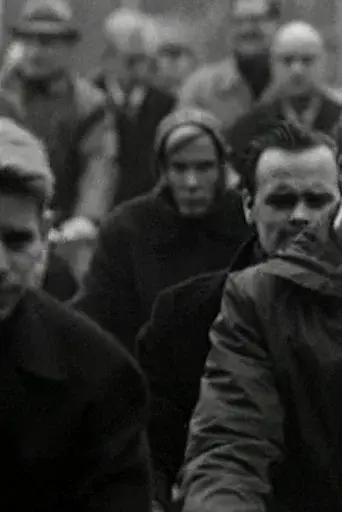
Rhythmic composition of moving photographs of cyclists in Amsterdam, ‘set’ to Vivaldi’s The Four Seasons.
Bicycle

Because of the big housing problem in the US many people move into cheap, run down hotels, the so-called Flophouse hotels. Twelve-year-old Mikal was born and raised in a hotel room he shares with his parents, who struggle with substance abuse. Driven by love and a desire for a better life, his greatest wish is for his mother to stop drinking. Mikal is bright and articulate, but his parents’ struggles prevent them from giving him the stability he needs. Through Mikal’s perspective, the film paints an intimate portrait of resilience, hope, and the harsh realities of life on society’s margins.
Flophouse America

A taxi drives through the city of Berlin. Its driver is a punk, left and a well-known figure in the autonomous scene. The stations of his trip are the most important places of the autonomous scene: all in the struggle for survival. The last evictions have not yet been processed and the next ones are coming right up.
Berlin Utopiekadaver


A backstage and on-stage look at Nicki Minaj's career during the Pink Friday Tour, festivals, and more.
The Re-Up


Departing from peripheral details of some paintings of the Bilbao Fine Arts Museum, a female narrator unravels several stories related to the economic, social and psychological conditions of past and current artists.
Exergo
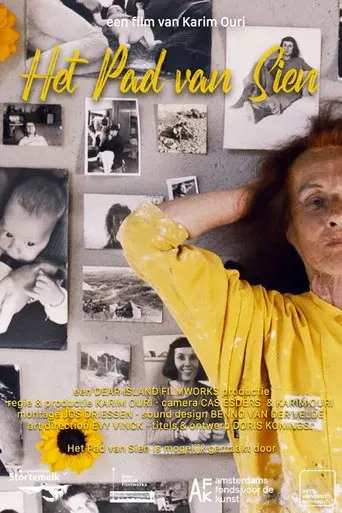
Sien (74) leaves for her hideout on the captivating island of Vlieland. Here she recollects her memories on an old tape recorder of her turbulent life as a mother, life-drawing model, squatter and activist in Amsterdam in the sixties.
Het Pad van Sien

Sigrid Koetse, award-winning actor and grande dame of Dutch theater, lived most of her life in the public eye and was always surrounded by a crowd of admirers. With this short documentary, filmmaker Wytse Koetse shows how his aunt spends her days nowadays, lonely in her Amsterdam home.
Aunt Iki
The Amsterdamse Bos (Amsterdam Forest), located between Amstelveen and Schiphol, was constructed during the years of economic crisis. In 1934, Amsterdam had 50,000 unemployed residents, who were put to work on the project as part of a government relief scheme. Annette Apon made this short documentary about the creation of the Amsterdamse Bos for the Amsterdams Stadsjournaal.