

Berbères des cimes
Overview
At the heart of the Moroccan High Atlas mountains, water is a resource in short supply. The village of Tizi N'Oucheg has undergone a transformation thanks to Rachid Mandili, who is well-aware that the development of his village depends on access to clean water and on his strong leadership of this project. Mandili rallies all the villagers together and calls upon the knowledge of French and Moroccan scientists to tap water sources, to purify, and reuse waste water for irrigation. The documentary highlights the Berbers' community ties and ingenuity in their dream of independently managing their village water resources. It equally paints a portrait of a man whose initiative and resourcefulness has opened Tizi N'Oucheg up to modernity while still conserving its cultural heritage. Tizi's example presents some of the problems of water access in semi-arid regions and puts forward concrete solutions to these problems.
Top Cast

Rachid Mandili
Himself
Marlène Bayerle
Narrator
Olivier Merlin Ird
Himself
Younes Fakir Ucam
Himself
Key Film Crew
Production Stats
You May Also Like

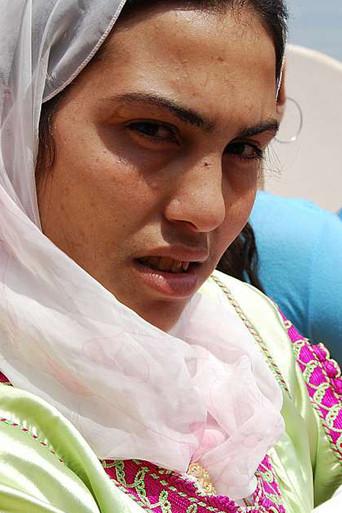
A film about a woman who doesn’t exist. Moroccan Hind was raped and consequently denied an official identity – she has no other choice but to work as a prostitute and traditional wedding dancer, but despite the odds of her situation, refuses to give up her dream of dignity, motherhood and love. This is a story of modern day outlaws, children of prostitutes, abandoned child brides and those who have had to escape to the fringes of patriarchal Moroccan society. Through the eyes of one young woman we see a life of constant struggle, but also a life free of the society’s norms and boundaries. The woman in the centre of the film, Hind, is both vulnerable and courageous as she tries to regain her life, her children and her mere right to live as an equal human being in the 21st century.
Dance of Outlaws


Antarctica is the most extreme continent on our planet—higher, colder, and even drier than any other on Earth, and although it is thousands of miles away, what happens here affects every single one of us.
Antarctica
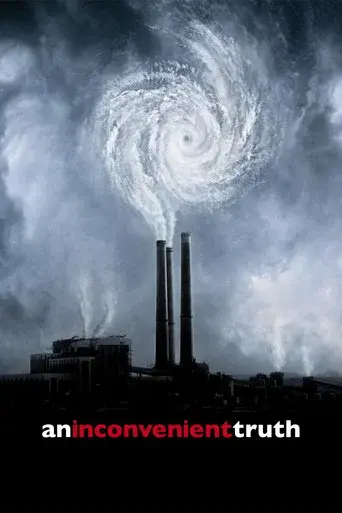
A documentary on Al Gore's campaign to make the issue of global warming a recognized problem worldwide.
An Inconvenient Truth
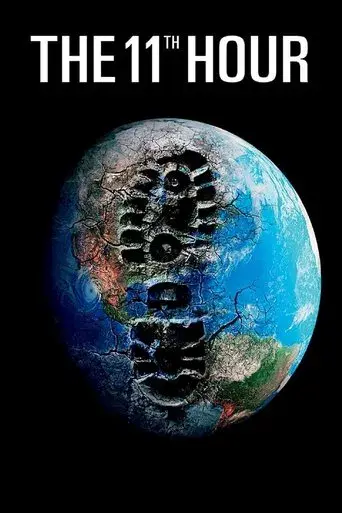
A look at the state of the global environment including visionary and practical solutions for restoring the planet's ecosystems. Featuring ongoing dialogues of experts from all over the world, including former Soviet Prime Minister Mikhail Gorbachev, renowned scientist Stephen Hawking, former head of the CIA R. James Woolse
The 11th Hour

"El campo para el hombre" was a politically militant documentary about the small holdings of land in the north of Spain and the large estates in the south of the country. This film portrays the exploitation and misery of the Spanish peasants, but also their class-consciousness and their will to fight for their rights and freedom. The film was shot in the late years of Franco's dictatorship, so it was made in secrecy (the directors were connected to the Spanish Communist Party).
El campo para el hombre

The decision to move to Holland doesn't sound like a wise idea. Why move to a country that could be flooded at any moment? For the last 25 years, the political climate has shifted. The public debate on migration has become harsher, more heated, and polarized. What would have been considered right-wing xenophobia back then, is now considered mainstream. Populists simplify complex realities into good and evil, victims and perpetrators: ‘us’ versus ‘them’. Their rhetoric often consists of dehumanizing words and metaphors. One of these is ‘water’. In reality, water is not an immediate threat to the average Dutch person; but it is a huge threat to the thousands trying to reach the Netherlands. People trying to survive the Mediterranean Sea in rubber boats. Trying to survive winter on the Aegean coast in primitive tents. To them, water really is deadly.
The Flood

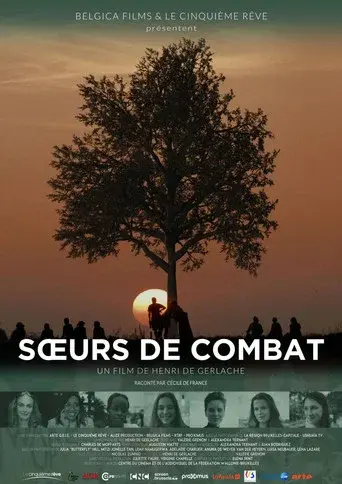
In the wake of Greta Thunberg, the youth has been fighting for several months to save our planet. Leading the marches, on the front pages of the media as well as on social networks, young women have become, sometimes unintentionally, the key figures of this movement. Who are these women? Why are they so cheered and criticized at the same time? To better understanding of the commitment of Anuna and Adelaide (Belgium), Luisa (Germany), Lena (France), Leah (Uganda) and Artemisia (Brazil), we decided to follow them, but also to compare their struggle with that of another extraordinary woman who preceded them: Julia Butterfly. Twenty years ago, after spending 738 days on top of a majestic sequoia, this young American activist managed to save a thousand-year-old forest from being cut down. The film tells the story of the journey of these committed young women, each in their own way, but all driven by a unique energy, these "sisters in arms" tell their doubts and their desire.
Sisters in Arms
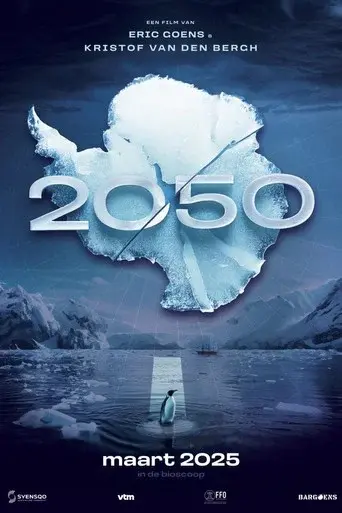
According to climate scientists, the year 2050 will be a tipping point in the history of our planet. As seawater slowly but surely warms up, the ice in Antarctica is melting before our very eyes.
2050
Documentary that shows the changing attitude towards immigrant labor in The Netherlands. The documentary follows three immigrants that arrived in Holland 30 years ago to work in a bakery.
Aan ons den arbeid


We can't address the environmental crises of climate change and biodiversity loss if people don't care about nature, and it all starts with stepping outside and looking up. Through the lens of four inspiring women, The Birdwatchers aims to explore and break down some of the barriers preventing people from accessing nature. This film is a love letter to the world of birds, and a rallying cry for people to protect it.

