

Overview
Five women tell stories about scars they have on their bodies and share the process of self-acceptance that goes beyond their own traits.
Top Cast

Eduarda Vieira
Ludmila Nicolete
Danieli Balbi
Yanaê Saldanha
Márcia Saldanha
Key Film Crew
Production Stats
You May Also Like

The Executive Empress explores the entrepreneurial lives of several Florida women, who have turned their unique passions into successful businesses.
The Executive Empress
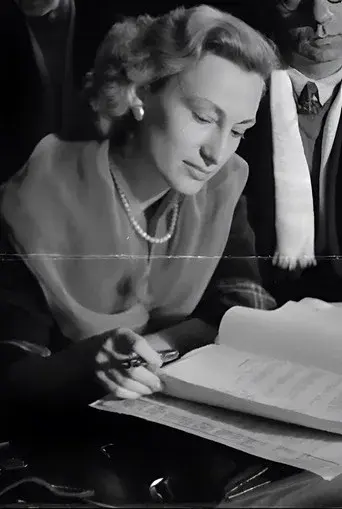
Made on the occasion of March 8, it presents a series of brief portraits of women, from various professional fields, of different ages and even of different ethnicities, pointing out the benefits that the communist organization had brought to their daily lives. A special emphasis is placed on their status as mothers and on the role of nurseries and socialist kindergartens not only in making their lives easier, but also in giving them the time they need to build a career. Another concern of the filmmaker, starting from the concrete case of one of the protagonists, is to highlight the differences between the happy present and the not-too-distant past in which someone with her social status should have dedicated herself exclusively to raising children, in hygienic and extremely difficult lives.
Women of Today
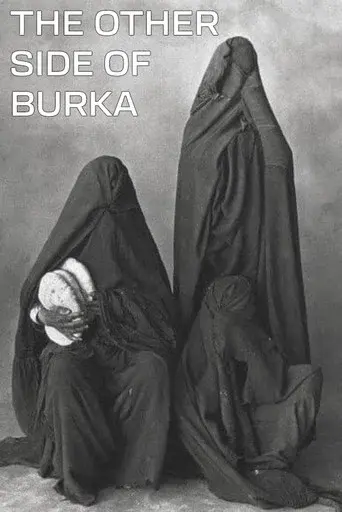
The Other Side of Burka is a 2004 Iranian documentary directed by Mehrdad Oskouei. In the southern island of Qeshm, Iran, which is a very strict region in point of tradition and African-Arabic rules, all women are under the pressure of patriarch society. Their sufferance is manifested by different mental (Zar, Possession) and physical diseases which must be only treated by Zar Ceremony. For the first time, despite the danger these women face, this film tells us the sad story of their life and shows their confection in front of the camera. It tries to be an honest mirror which reflects their sufferance and unveils their Burka to reveal their real characters.
The Other Side of Burka
Nearly seventeen years old, Laetitia navigates between her attachment disorder and her blatant need for love. In a world where image control is absolute, LOVE ME tells the story of the quest for the love with a capital L, through the various forms of self-representation.
LOVE-MOI


A discovery of the pictorial art that Ndebele women traditionally practice in South Africa: painting the walls of their houses.
Black Pénélope

Focused on the experiences of Manuel "Manolo" Díaz Caballero, who was a local police officer in Malaga for more than 30 years, his memories of those years are the subject of this documentary.
My Uncle Manolo

Two writers in Lisbon talk about what it means to be a woman in graffiti world where the survival of the fittest is prevailed and it's difficult to be accepted.
At two in Lisbon
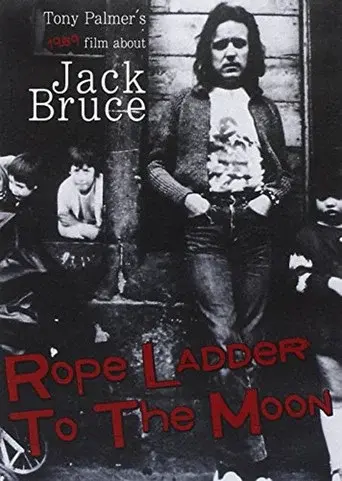
Tony Palmer directs this 1970 documentary about Scottish bass player and former Cream member Jack Bruce. The film tracks Bruce's life from his childhood in the Gorbals to the height of his fame with Cream and beyond.
Rope Ladder to the Moon


Between repetitive actions such as stocking shelves and scanning groceries, anonymous Brazilian supermarket employees reflect frankly on their lives, society, and the role they dream of playing in it.
My Darling Supermarket

Only women, children and old people live in this Armenian village, while the men work in Russia. A life with a rhythm of its own, an independent daily life marked nonetheless by exile.
Village of Women

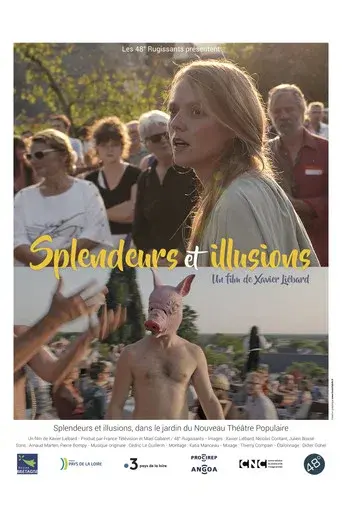
In the Garden of the New People's Theater Overview They wanted to create a theater that reflected their own vision, a freer theater, closer to its audience. So they built a wooden stage under the benevolent shade of a twisted church steeple, in the garden of a small village in Maine-et-Loire, Fontaine-Guérin. And the dream of a New People's Theater took shape amidst the fields. This is the story of a generation of actors in their thirties who have grown old together and who, ten years later, are realizing the audacity and fragility of their dream. For its tenth season, the company tackles Balzac's *Human Comedy* and plunges us into the torments and illusions of their lives as artists through the outlandish tale of Lucien de Rumbempré, a young poet who dreams of going to Paris. How can an artist avoid losing their soul? Therein lies the inner conflict. Xavier Liébard Director, Writer