

Overview
In a small commercial harbour in the south of France, two Moroccan sailors are watching over ferries that were abandoned by ship-owners. Young Syrians make a stopover to load their cattle, African traders prepare a convoy of second-hand vehicles. Men, machines, and animals transit through this space open onto the sea.
Key Film Crew
Production Stats
You May Also Like

The animated corpse of Moscow goes on after its inhabitants left. Filled with weeps and whispers of the mourning ghosts, torn apart with phone calls from distant countries and unfamiliar sounds, emotionally devastated and deserted, the city attempts to reconcile with its own voice.
Moscow Calling

Jyire holds a motocross race in his hometown, where he must adhere to the park’s restrictions and drown out the public’s concern.
First Thing Sunday
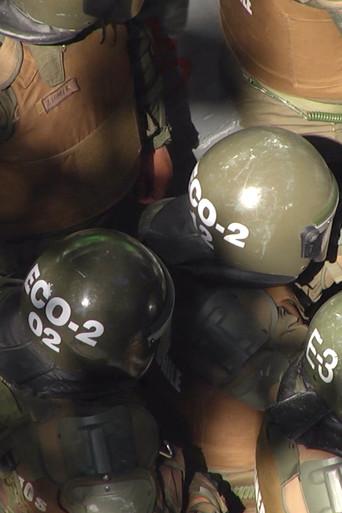
A poetic short film showing a day in the 2019 protests in Santiago, Chile through documentary images.
Primavera Lacrimógena
In May 2005, after 30 years of Moroccan occupation, Saharawi students initiated a series of peaceful demonstrations demanding their right to the United Nations-mandated referendum on Western Saharan independence. The Moroccan authorities responded with a brutal campaign of repression, detaining and torturing human rights activists as well as Saharawi students and children as young as eight years old.
Children of the clouds

An epic 3+ hour chronology of scenes from over 200 films and television shows shot in Massachusetts from the silent era to today. Highlighting recognizable locales from Martha’s Vineyard to Harvard Square to Great Barrington, along with bygone landmarks and Boston streets, and featuring James Cagney, Tony Curtis, Elizabeth Taylor, Luciano Pavarotti, Harrison Ford, and all the Afflecks and Wahlbergs you can handle.
Made in Massachusetts

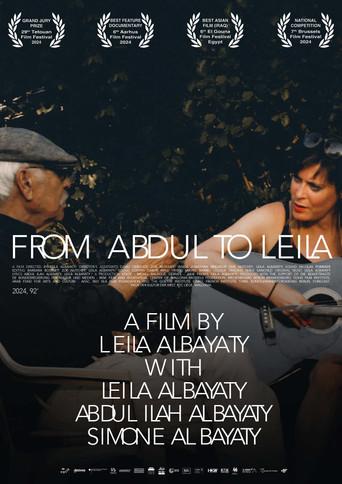
After losing part of her memory in an accident, Leila, a young French woman of Iraqi origin, reconstructs her story by reconnecting with her family and exploring her roots. Through music and cinema, she brings her exiled father's poems to lite, dis-covers the reality of the Middle East, and embarks on a personal quest to understand her identity and find her voice.
From Abdul To Leila

A Palestinian activist's fight for freedom draws a Japanese American filmmaker into confrontation with detention regimes of past and present.
Enemy Alien
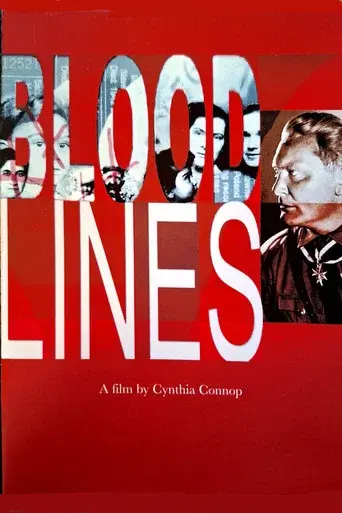
A moving meditation on guilt and reconciliation, Bloodlines explores the unwritten cost of war and genocide on future generations - of both victims and perpetrators. As Bettina Goering, grandniece of Nazi war criminal Herman Goering, searches for a way to come to terms with her heritage, she meets Ruth Rich, a painter and daughter of Holocaust survivors. At a time when seemingly irreconcilable divisions between groups are tearing the world apart, this deeply hopeful film is a beautiful testament to the power of dialogue and post-conflict reconciliation.
Bloodlines

At the beginning of the 70s, Sahia Studio produced a number of social investigations commissioned by the Central Committee of the Romanian Communist Party, intended to expose the so-called "social parasitism". The decision was taken after the theses of July 1971, which provide that "one of the main objectives of political work, especially among the youth, is the firm fight against the tendencies of parasitism, of an easy life, without work, the cultivation of responsibility and the duty to work , in the service of the country, the people, the socialist society". The most famous films, made with the competition of the Ministry of the Interior and the Ministry of Justice, are Să treacă vara and Iarna unor pierde vară
Winter of a slacker
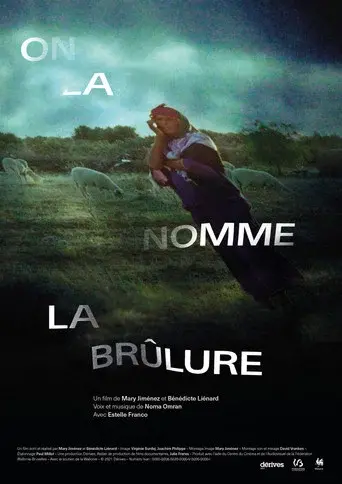
One night, nine children from the same Tunisian village attempt the deadly crossing. Like a poem or a prayer, this film welcomes the words of bereaved mothers and gives dignity to their grief.
Call it the burning

The decision to move to Holland doesn't sound like a wise idea. Why move to a country that could be flooded at any moment? For the last 25 years, the political climate has shifted. The public debate on migration has become harsher, more heated, and polarized. What would have been considered right-wing xenophobia back then, is now considered mainstream. Populists simplify complex realities into good and evil, victims and perpetrators: ‘us’ versus ‘them’. Their rhetoric often consists of dehumanizing words and metaphors. One of these is ‘water’. In reality, water is not an immediate threat to the average Dutch person; but it is a huge threat to the thousands trying to reach the Netherlands. People trying to survive the Mediterranean Sea in rubber boats. Trying to survive winter on the Aegean coast in primitive tents. To them, water really is deadly.