

Maastricht, 30 ans après
Overview
No overview summary available for this movie.
Top Cast

Nicolas Baverez
Self

Anne Lauvergeon
Self

François Hollande
Self

Jean-Luc Mélenchon
Self

Édith Cresson
Self

Jean-Pierre Chevènement
Self

Élisabeth Guigou
Self

Hubert Védrine
Self

Henri Guaino
Self

Alain Juppé
Self

Lionel Jospin
Self

Nathalie Saint-Cricq
Self
Key Film Crew
Production Stats
You May Also Like
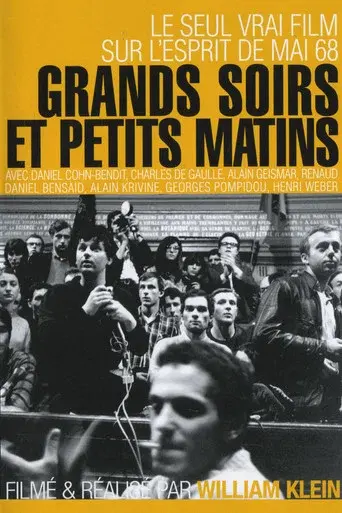
Filmmaker William Klein documents the Paris student riots that occurred in May of 1968.
May Days

Jonathon "The Impaler" Sharkey threw himself into the race for Minnesota governor on January 13, 2006. His "coming out" to the media as a Hecate Witch, Satanic Dark Priest and Sanguinary Vampire grabbed international attention, and his candidacy marked the beginning of the largest amount of media coverage ever given to an unknown third party candidate running for governor in American history.
Impaler


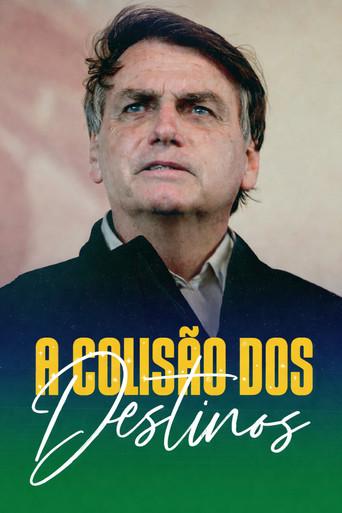
From childhood to the presidency of Brazil, the documentary follows Jair Bolsonaro’s trajectory, tracing his background, military career, and the path that led to his political rise.
A Colisão dos Destinos

A short documentary about the October 14 1979 March For Lesbian And Gay Rights in Washington D.C.
La marche gaie
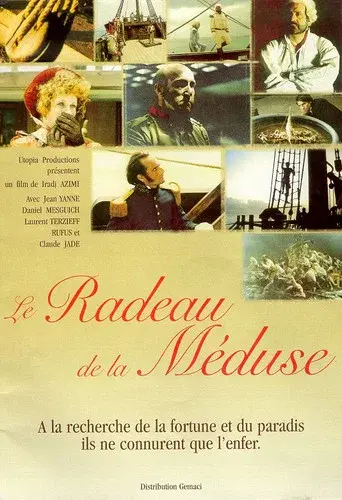
Iranian Iradj Azimi directed this French historical drama re-creating events depicted in the famous 1819 painting The Raft of the Medusa by Jean Louis Andre Theodore Gericault (1791-1824). The ill-fated voyage of the frigate Medusa begins when it departs Rochefort for Senegal in 1816. After striking a sandbar off the African coast, 150 civilians row safely to shore, but Captain Chaumareys (Jean Yanne) orders 140 soldiers and sailors onto a raft (minus supplies) and has it cut loose. Only 14 survive from the 140, creating a scandal back in France. Gericault (Laurent Terzieff) later talks to three of the survivors while researching his painting. Work on this film began in 1987, but sets destroyed by Hurricane Hugo caused delays, so the film was not completed until 1990. However, it then remained undistributed until an incident in which writer-director Azimi slashed his wrists in front of French Ministry of Culture officials.
Le radeau de la Méduse
"The Voice of Innocence" is a documentary that shows how, starting in 1959, the Cuban Revolution put into practice a comprehensive and universal policy of safeguarding the rights of the child, even under the multiple difficulties resulting from the economic, commercial and financial blockade imposed by the United States more than six decades ago. Cuba is one of the main signatories of the Convention on the Rights of the Child, signed on 20 November 1989, when the country had already made extraordinary progress in protecting the rights of the child, in comparison to developed countries, such as the United States, which as of today hasn't yet ratified the Convention.
The Voice of Innocence

A close-up look at the New Yorkers who took to the streets during the 2024 Presidential Election.
Election Night
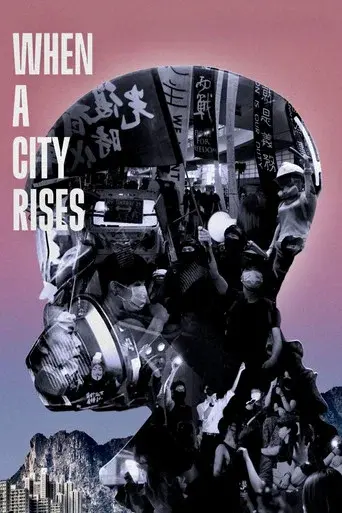
Behind the gas masks of Hong Kong’s democracy movement, the often very young activists are just as diverse as the youths of the rest of the world. But they share a demand for democracy and freedom. They have the will and the courage to fight – and they can see that things are going in the wrong direction in the small island city, which officially has autonomy under China but is now tightening its grip and demanding that ‘troublemakers’ be put away or silenced. Amid the violent protests, we meet a 21-year-old student, a teenage couple and a new father.
When a City Rises


Primary is a documentary film about the primary elections between John F. Kennedy and Hubert Humphrey in 1960. Primary is the first documentary to use light equipment in order to follow their subjects in a more intimate filmmaking style. This unconventional way of filming created a new look for documentary films where the camera’s lens was right in the middle of what ever drama was occurring. Preserved by the Academy Film Archive in partnership with The Film Foundation in 1998.