Overview
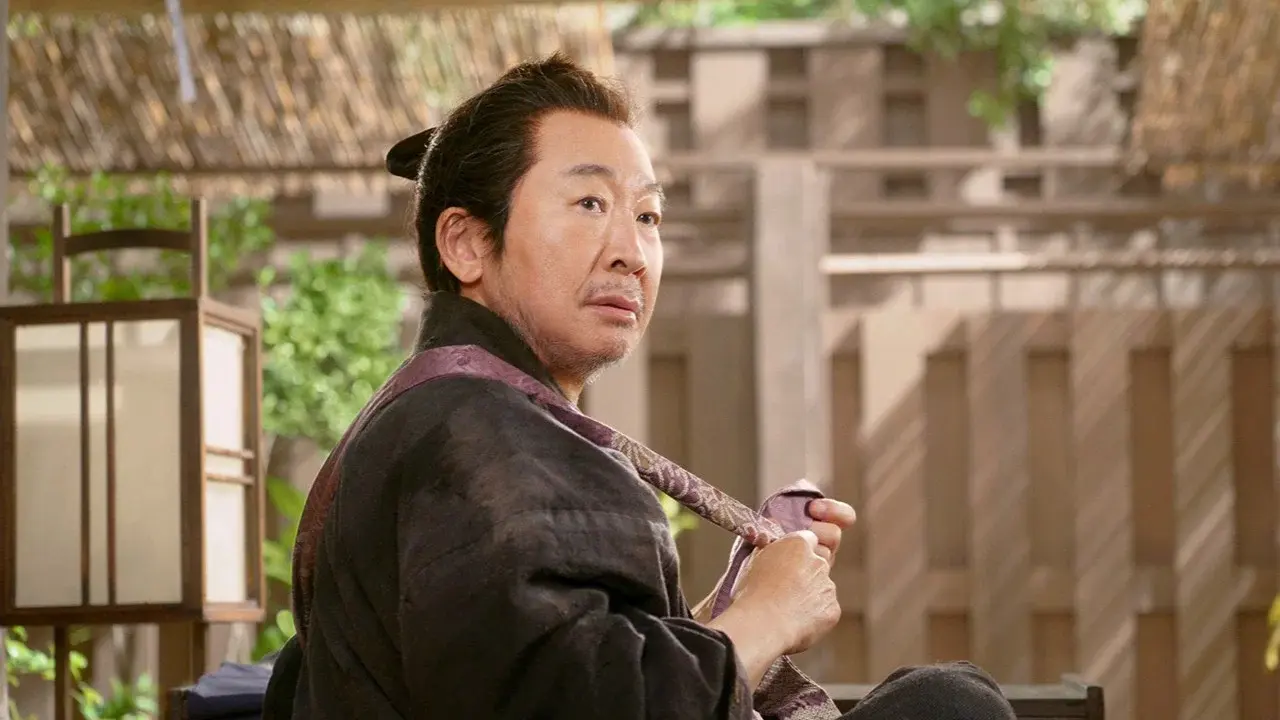
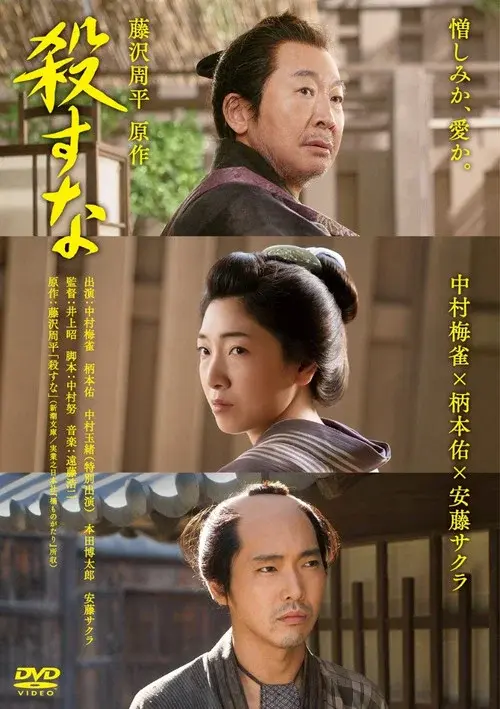
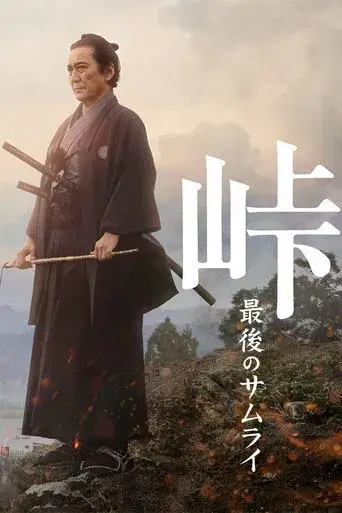
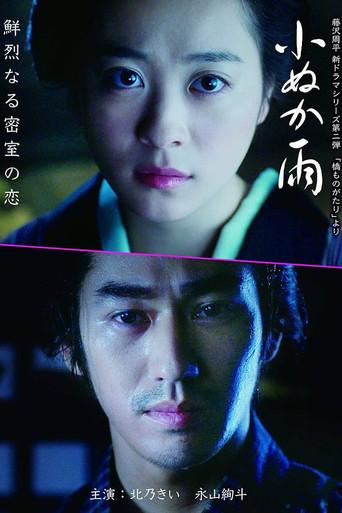
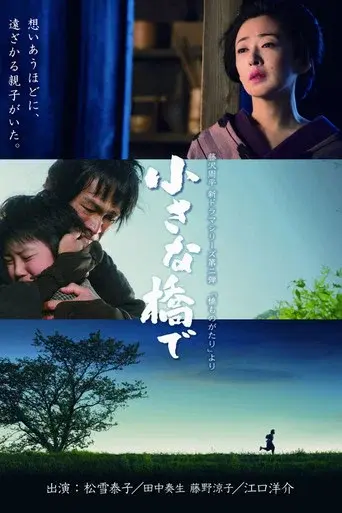
Kotani Zenzaemon, a ronin who has a side job making brushes in a tenement house in the back alley, is watching Omine, who lives with him, from Kichizo, a resident of the same tenement house and a boatman. is asked to Kichizo and Mine have eloped and got married, but she feels empty in her boring daily life, and she wants to take a break by crossing the bridge over the river. On the other hand, Kichizo forbids him from crossing the bridge, fearing that his whereabouts will be known to others. Zenzaemon superimposes the appearance of these two people on the appearance of his former self and his wife, whom he killed himself.
Top Cast

Baijaku Nakamura
Zenzaemon Kotani

Tasuku Emoto
Kichizô

Sakura Ando
Omine
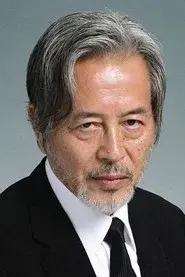
Hirotaro Honda

Tamao Nakamura
Otama
Key Film Crew
Production Stats
You May Also Like
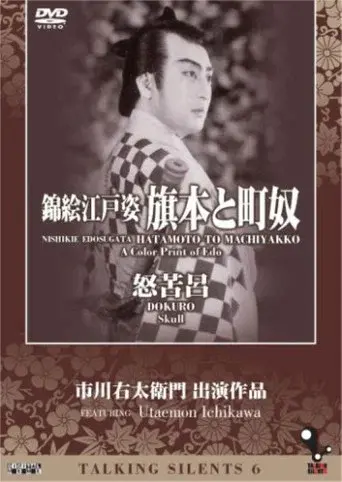
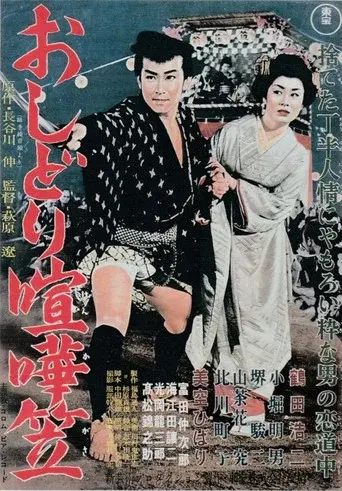
The Color Print of Edo is a 1939 black and white Japanese silent film with benshi accompaniment directed by Kazuo Mori. It is a cheerful period drama, sprinkled with comical scenes and tells the story of a loyal and handsome Edo period servant who fights to help his older brother marry the woman he loves. The star of this film, Utaemon Ichikawa, gained enormous popularity for his portrayal of a cheerful and chivalrous man.
A Color Print of Edo
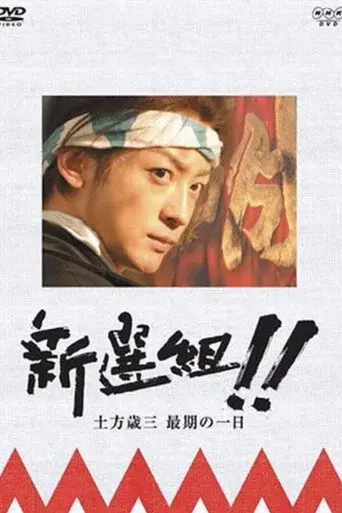
Follows the final days of the shogunate and Shinsengumi's Vice-Comander Hijikata Toshizo along with his fellow anti-imperialist group.
新選組!! 土方歳三 最期の一日
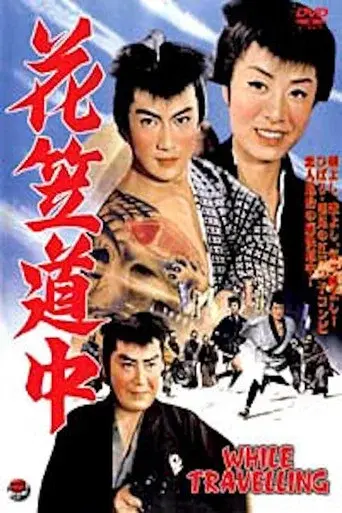
In this film, Hibari plays a dual role as brother and sister. The story involves a journey to Hanagasa for an incognito Lord (Kotaro Satomi) to overthrow an attempted usurpation of his domain, while being harassed by vassals of the usurper (Kensaku Hara). There's also a mysterious ronin played by Jushiro Konoe. The songs are seamlessly woven into the narrative and don't overwhelm the action. While the plot is derivative it is good example of its type and quite enjoyable. Note that there are some flashback sequences in black and white.
While Traveling
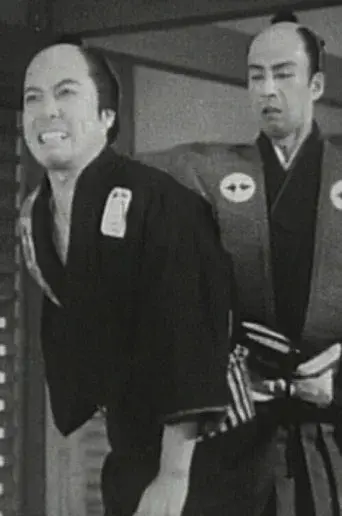
Naosuke, a servant of Okajima Yasoemon, devoted himself to his master. One day, his master Okajima Yasoemon, lost his face in front of people. It was a revenge by Oono, a karo (minister) who lost his chance to earn money by selling a fake antique to the lord. Okajima told the lord it was fake. Okajima endured Oono's humiliation. But, his servant Naosuke, could not. But what could he do? Oono is superior of his master. Naosuke would not hesitate to lay down his life for his master. But killing Oono would ruin his master. He wanted to clear his master's disgrace. What to do?
Devoted Servant Naosuke

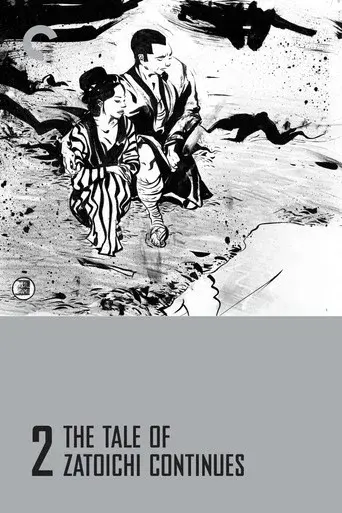
The adventures of a blind, gambling masseur and master swordsman. Zatoichi targets a yakuza-controlled village, because war with a neighbouring town's smaller gang is brewing.
The Tale of Zatoichi
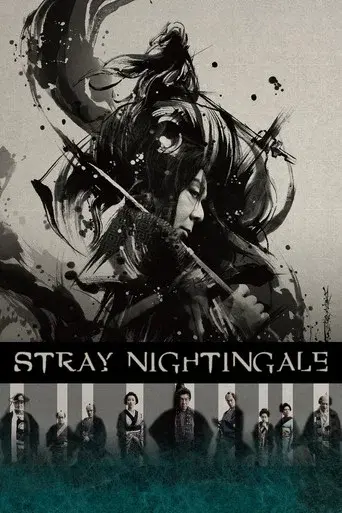
Japan, 1785. Jūzaburō, a famous thief who refuses to kill innocent people, is betrayed, ambushed, and left for dead.
Stray Nightingale
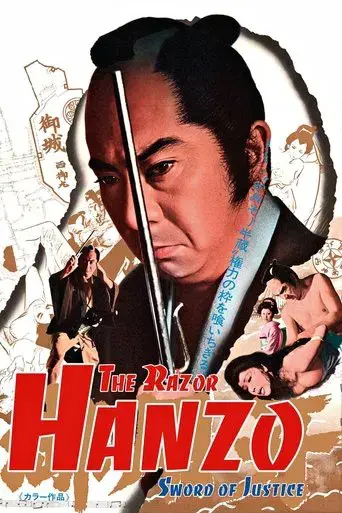
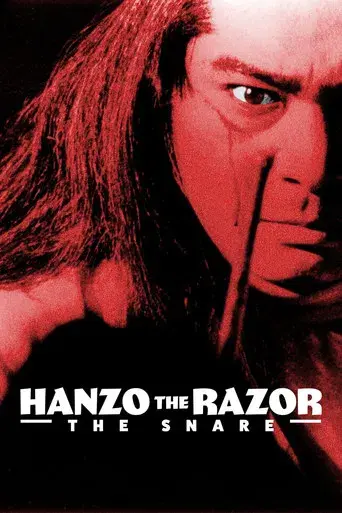
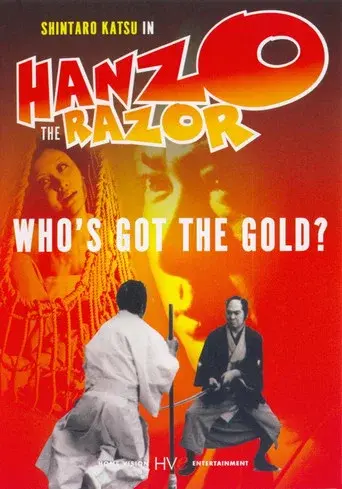
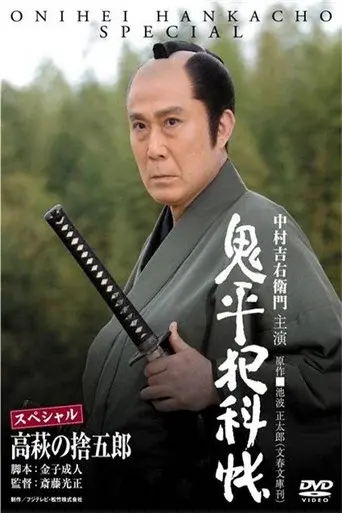

When an artist dies, the official cause of death is judged to be a stroke, but his daughter suspects foul play. She recruits the services of an assassin, who by chance encounters an old friend...
Sure Death 6
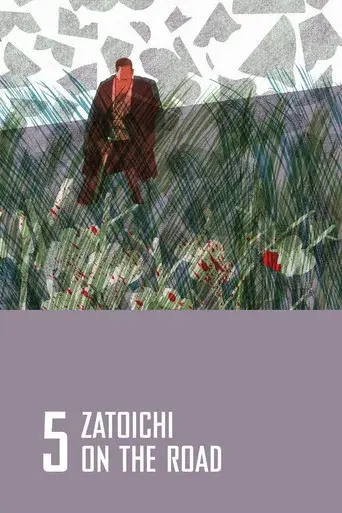
Zatoichi is sworn to protect the life of a young girl and without any real allies finds himself in the middle of a bloody turf war.
Zatoichi on the Road
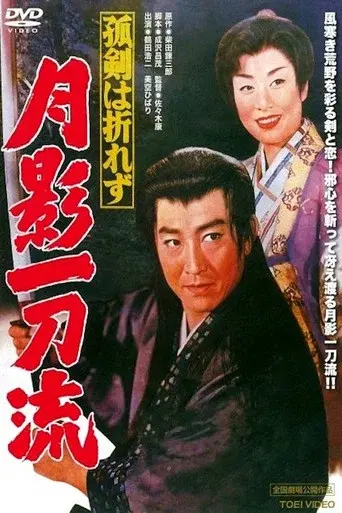
When master swordsman Mikogami Genshiro of the Ono fencing school returns to find that his ailing sensei has been murdered in the dead of night, he must find the culprit and exact revenge. His return sets off a series of violent incidents and incites a high ranked female skilled in sword to test his mettle after he unwittingly offends her. The ever delightful Misora Hibari co-stars with the great Tsuruta Koji in this exciting tale set in the earliest days of the Tokugawa shogunate. Lots of exciting swordfights highlight this entertaining motion picture!
Sword of Destiny
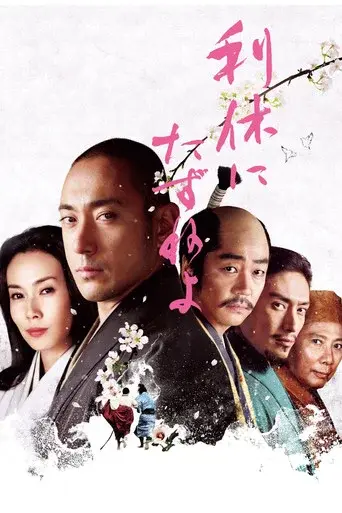
Sen no Rikyu (Ebizo Ichikawa) is the son of a fish shop owner. Sen no Rikyu then studies tea and eventually becomes one of the primary influences upon the Japanese tea ceremony. With his elegant esthetics, Sen no Rikyu is favored by the most powerful man in Japan Toyotomi Hideyoshi (Nao Omori) and becomes one of his closest advisors. Due to conflicts, Toyotomi Hideyoshi then orders Sen no Rikyu to commit seppuku (suicide). Director Mitsutoshi Tanaka's adaptation of Kenichi Yamamoto's award-winning novel of the same name received the Best Artistic Contribution Award at the 37th Montréal World Film Festival, the Best Director Award at the 2014 Osaka Cinema Festival, the 30th Fumiko Yamaji Cultural Award and the 37th Japan Academy Film Prize in nine categories, including Best Art Direction, Excellent Film and Excellent Actor.
