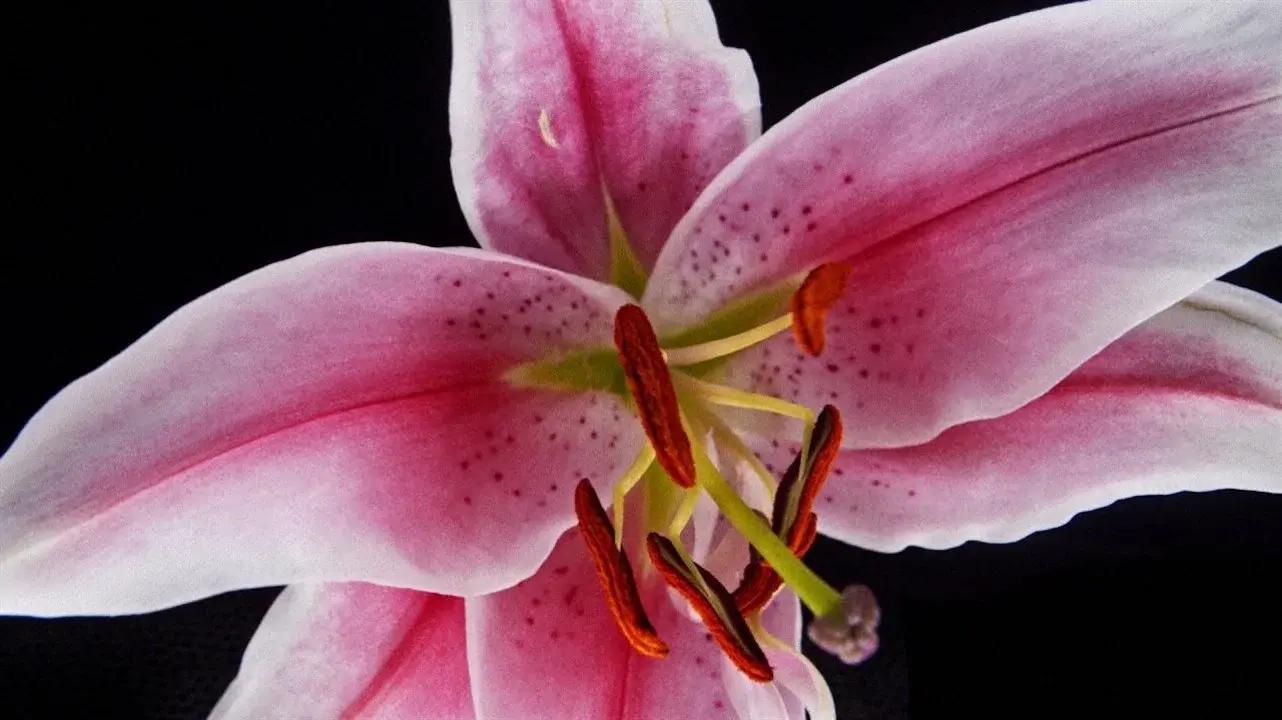

Algorithms of Beauty
Overview
In 1772, Englishwoman Mary Delany wrote to her niece: “I have found a new way of imitating flowers.” The imitation in question was the art form called decoupage, based on cut-outs and reshuffling of pictures. The charm and botanical precision of these works attracts attention of even today’s artists, among others by an anonymous programmer who is trying to invent a way of capturing the flowers’ vivacity in pictures. With this aim in mind, she has created an algorithm, which would combine science and beauty, similarly to Delaney’s efforts, whose illustrations it is meant to animate.
Key Film Crew
Production Stats
You May Also Like

The ancient Chinese game of Go has long been considered a grand challenge for artificial intelligence. Yet in 2016, Google's DeepMind team announced that they would be taking on Lee Sedol, the world's most elite Go champion. AlphaGo chronicles the team as it prepares to test the limits of its rapidly-evolving AI technology. The film pits man against machine, and reveals as much about the workings of the human mind as it does the future of AI.
AlphaGo
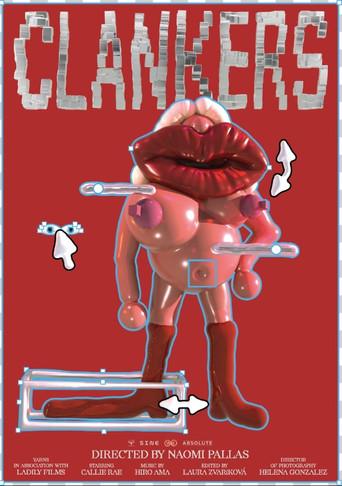
Award-winning short film, Clankers, is an investigation into the sinister rise of AI-generated sex workers today.
Clankers
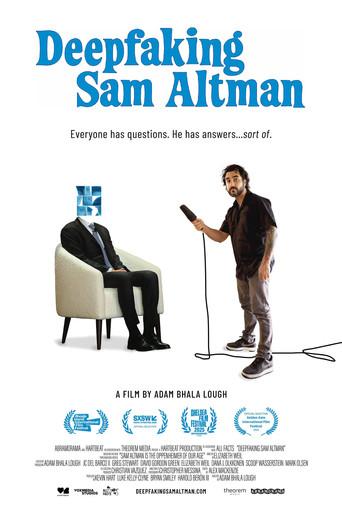
Director Adam Bhala Lough sets out to better understand the technology and people at the center of the AI boom. His quest sends him on a path towards the father of AI, OpenAI CEO, Sam Altman. When he isn’t able to sit down with Altman himself, Adam travels to India to create an AI version of him to interview instead.
Deepfaking Sam Altman

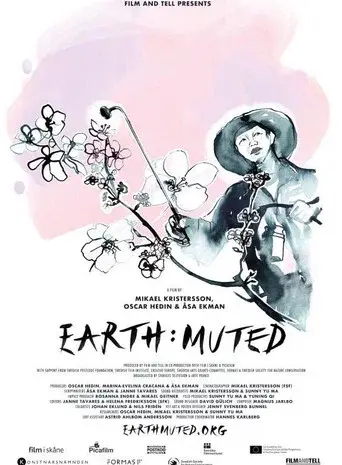
Three farming families in Hanyuan, China, strive to give their children a good life in the midst of an ecological crisis, as widespread use of pesticides leads to a dramatic decline in bees and other pollinating insects in the valley.
Earth: Muted
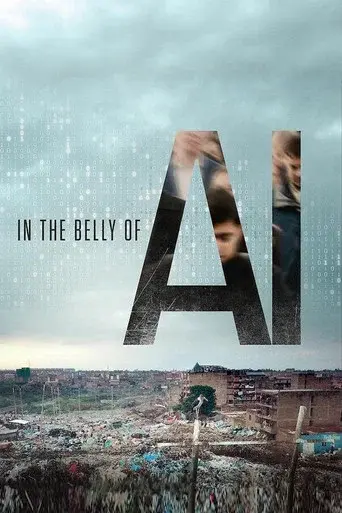
Magical, autonomous, all-powerful… Artificial intelligences feed our dreams as well as our nightmares. But while tech giants promise the advent of a new humanity, the reality of their production remains totally hidden. While data centers are concreting landscapes and drying up rivers, millions of workers around the world are preparing the billions of data that will feed the voracious algorithms of Big Tech, at the cost of their mental and emotional health. They are hidden in the belly of AI. Could they be the collateral damage of the ideology of “Longtermism” that has been brewing in Silicon Valley for several years?
In the Belly of AI
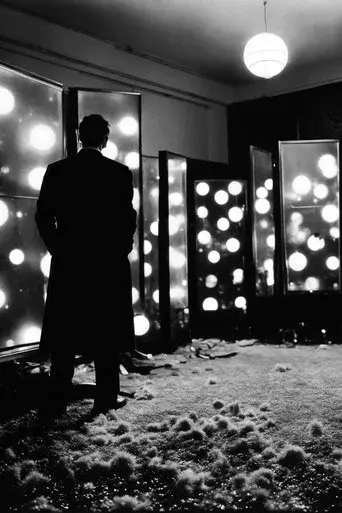
Composed of images and music produced with artificial intelligence, The Dream of Abel Gance explores the poetic imagination of filmmaker Abel Gance through his "crystal-house"—a hybrid space serving as a laboratory, film studio, and neural realm. Inspired by his writings on cinema, the film weaves a virtual temporality that allows us to envision the filmmaker’s forgotten utopias and dreams. The archive has become speculative, breathing new life into the long-standing promises of the Seventh Art.
Le Rêve d'Abel Gance
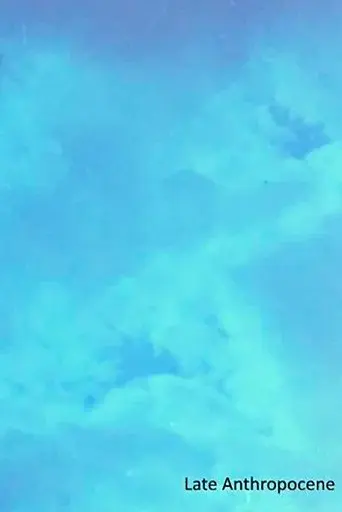
Hand processed expired Kodak 7291, Camera: Beaulieu R16, Lens: Angenieux 12-120mm with +3 Diopter, Polarising filter for the clouds. Hand processed in C-41 chem using a Lomo UPB-1A tank. Still haven't mastered removal of the rem-jet anti-halation layer (thats all the white 'static' on the film). The film expired about 40 years ago.
Late Anthropocene

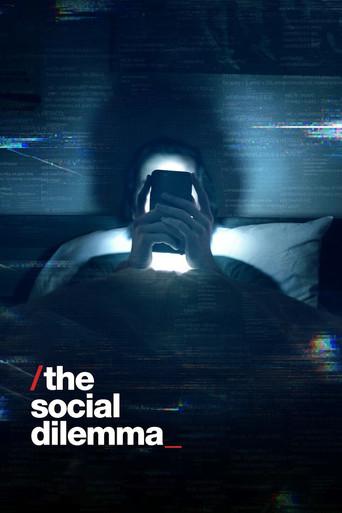
This documentary-drama hybrid explores the dangerous human impact of social networking, with tech experts sounding the alarm on their own creations.
The Social Dilemma
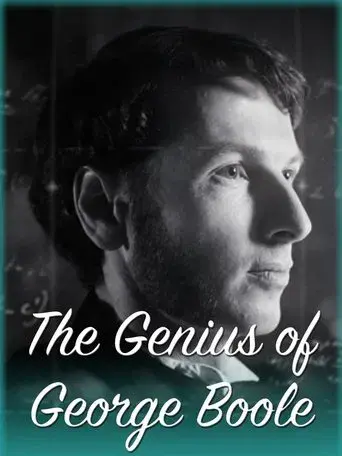


Exploring the fallout of MIT Media Lab researcher Joy Buolamwini's startling discovery that facial recognition does not see dark-skinned faces accurately, and her journey to push for the first-ever legislation in the U.S. to govern against bias in the algorithms that impact us all.
Coded Bias
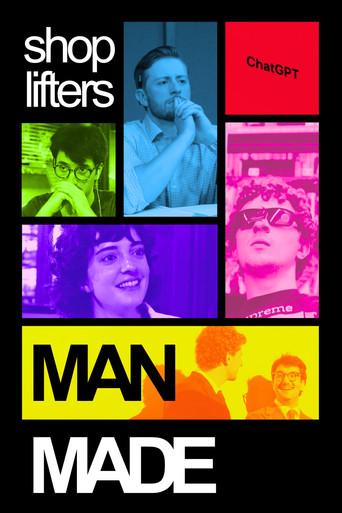
Things go awry when two filmmakers attempt to automate every aspect of their lives using ChatGPT.
MAN MADE
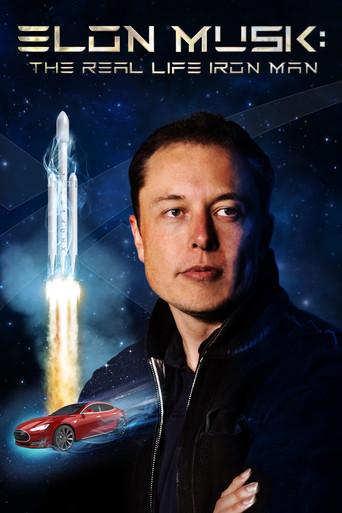


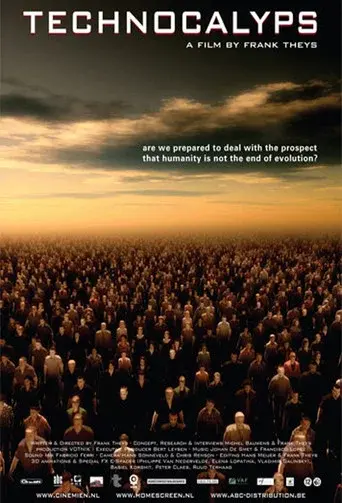
Are we prepared for dealing with the prospect that humanity is not the end of evolution? Technocalyps is an intriguing three-part documentary on the notion of transhumanism by Belgian visual artist and filmmaker Frank Theys. The latest findings in genetics, robotics, artificial intelligence, bionics and nanotechnology appear in the media every day, but with no analysis of their common aim: that of exceeding human limitations. The director conducts his enquiry into the scientific, ethical and metaphysical dimensions of technological development.
TechnoCalyps
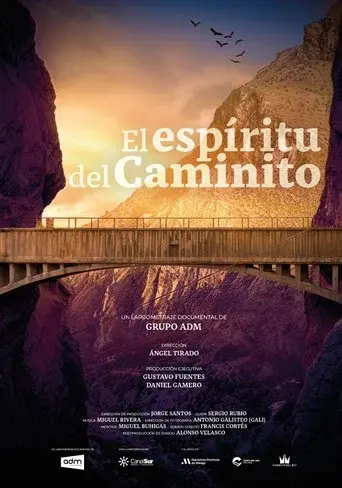
Caminito del Rey is a feature-length documentary that takes viewers on a journey along one of the world's most spectacular and dangerous walkways. From its humble beginnings in 1901, when daring sailors hung suspended in mid-air to construct an impossible path, to its stunning restoration in 2015, this documentary explores the incredible story of a place that defied the laws of nature and time. It is not just a documentary about a place; it is a celebration of the human stories that have made it timeless.