

Overview
The production is a poetic impression, its tone is mournful. The film shows the landscape of Vietnam two years after the end of the war. There is no commentary in the production, the image is accompanied by Mozart's composition.
Key Film Crew
Production Stats
You May Also Like
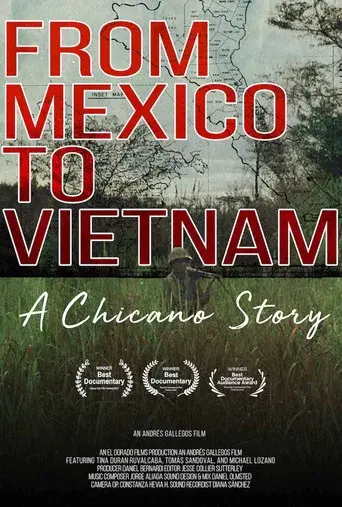
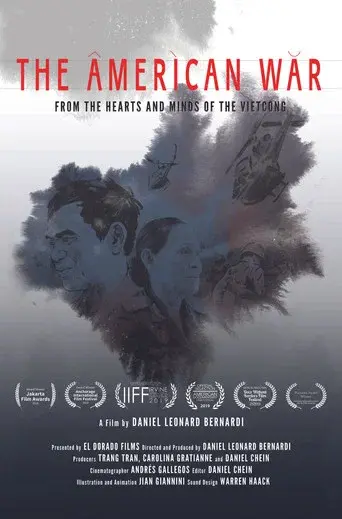
Using obscure archival footage, animated illustrations and interviews, this film tells the story of the Vietnam War from the perspective of five Vietcong veterans: a soldier, an officer, an informant, a guerilla, a My Lai survivor, and the leader of the Long Hair army.
The American War

In April 1975 -- despite a ceasefire agreement -- the North Vietnamese communists took Saigon and the world by surprise, mounting an offensive that ousted the South Vietnamese government. This enlightening documentary recounts the last two years of America's military engagement in the country and the U.S. role in Saigon's fall. Interviews with former National Security Adviser Henry Kissinger and North Vietnamese officers provide context.
The Fall of Saigon
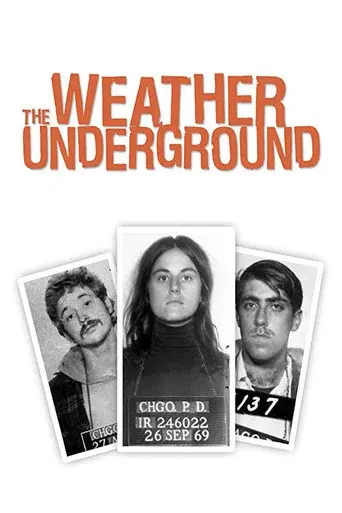
The remarkable story of The Weather Underground, radical activists of the 1970s, and of radical politics at its best and most disastrous.
The Weather Underground
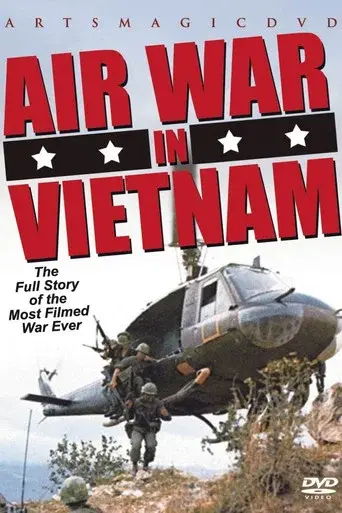
From bombers to jet fighters, the United States relied heavily on its powerful air force during the Vietnam War. Through amazing archival footage, this program explores the types of U.S. aircraft used in combat and the impact they had on the war. Because the Vietnam War was the most-filmed war in history, there's plenty of excellent footage allowing viewers to experience dangerous missions almost firsthand.
Air War in Vietnam

A documentary about the Cu Chi tunnels in Vietnam during the Vietnam war. The film contains interviews with survivors of the war who inhabited the tunnels, including archival footage, and photographs. The filmmakers visit the tunnels in current day to explore the way so many Viet Cong lived during the war. The documentary features an interview with Robert Biss (American P.O.W. captured in 1966, who was at the "Hanoi Hilton"), and the Viet Cong member who captured him, explaining the events and emotions surrounding the event.
A World Beneath the War

Over the period of 25 years the director met General Võ Nguyên Giáp, a legendary hero of Vietnam’s independence wars, a number of times. She was the first American who entered the home of the “Red Napoleon”. The fruit of this friendship is a film, personal and politically involved at the same time. Travelling across the country and talking to important figures as well as ordinary people, the director finds out more about her roots and offers the audience a unique perspective on Vietnam’s present and past.
The General And Me
Short propaganda film produced by the U.S. government about the Vietnam War, narrated by actor Charlton Heston. The movie includes scenes of battle that have been identified as staged and shouldn't be interpreted as an accurate depiction of fighting during the Vietnam War. For more on the accuracy of the footage in this film see the book "The Cold War and the United States Information Agency: American Propaganda and Diplomacy, 1945-1989" by Nicholas J. Cull (pages 248-49). This film was produced by the U.S. Information Agency (USIA) and is in the public domain. National Archives Identifier: 1182760 Local Identifier: 306.5798 Accession Number: NC3-306-77-7 ARC Identifier: 1182760 https://catalog.archives.gov/id/1182760
Night of the Dragon

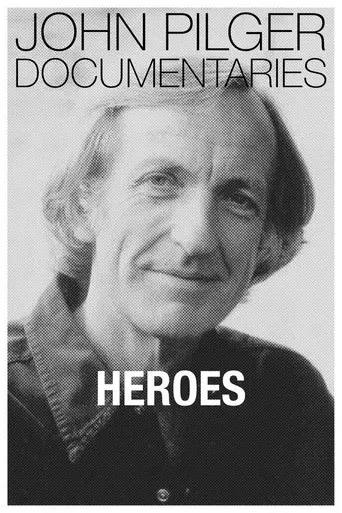
1981. The shabby treatment of returning combat soldiers from Vietnam is investigated.
Heroes
A U.S. Navy Commander Jeremiah Denton leading a plane sortie into North Vietnam was shot down and captured as a POW. For 8 years of his life, he was a prisoner at Hanoi Hilton where he and other POWs were tortured. In a press conference, being forced by the North Vietnamese to say he was being treated well he blinked out the letters TORTURE in Morse code.
Jeremiah

A documentary-short on the life of Ira Sanders, a commodity trader turned educator whose first-hand experiences on 9/11 greatly influence his life.
IRA
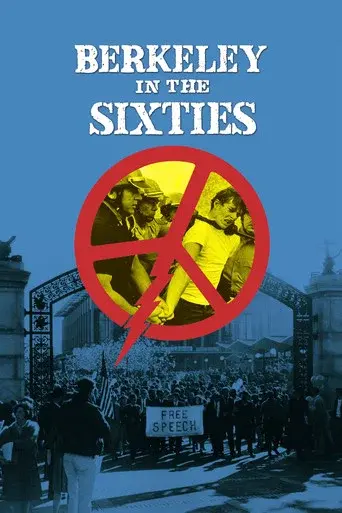
A documentary about militant student political activity at the University of California, Berkeley in the 1960s.
Berkeley in the Sixties
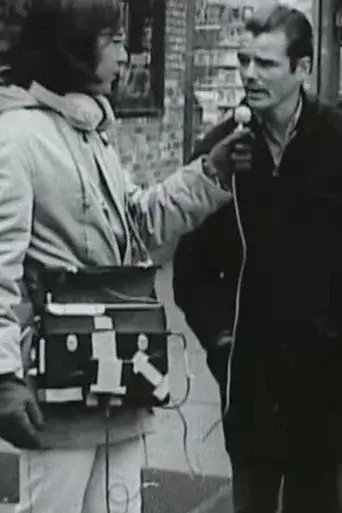
A portrait of the diverse opinions of Chicagoans as they reflect on the general state of affairs in America, the war in Vietnam, social and racial conflict, freedom and personal liberty, happiness, and social justice. Ratamata was made by future Tom Palazzolo collaborator Kreines when he was 16 years old, and was an award winner at the Young Chicago Filmmakers Festival.
Ratamata

Mondo-style docudrama about a war correspondent who comes back home and has a spiritual crisis about his own mortality. Surreal fantasy sequences are mixed with graphic real autopsy footage.
Autopsy

In mid-1971, French television organized a press conference in both Paris and Washington, with 20 journalists participating—10 of them, mostly American, defending the U.S. stance, while the other 10, mostly French, remained neutral. Madam Bình sat alone among these formidable journalists, under bright lights, calmly and confidently responding with strength yet courtesy, clearly expressing her goodwill in seeking a political solution to end the war. Her image at that moment led people to metaphorically compare it to "dancing among wolves."
