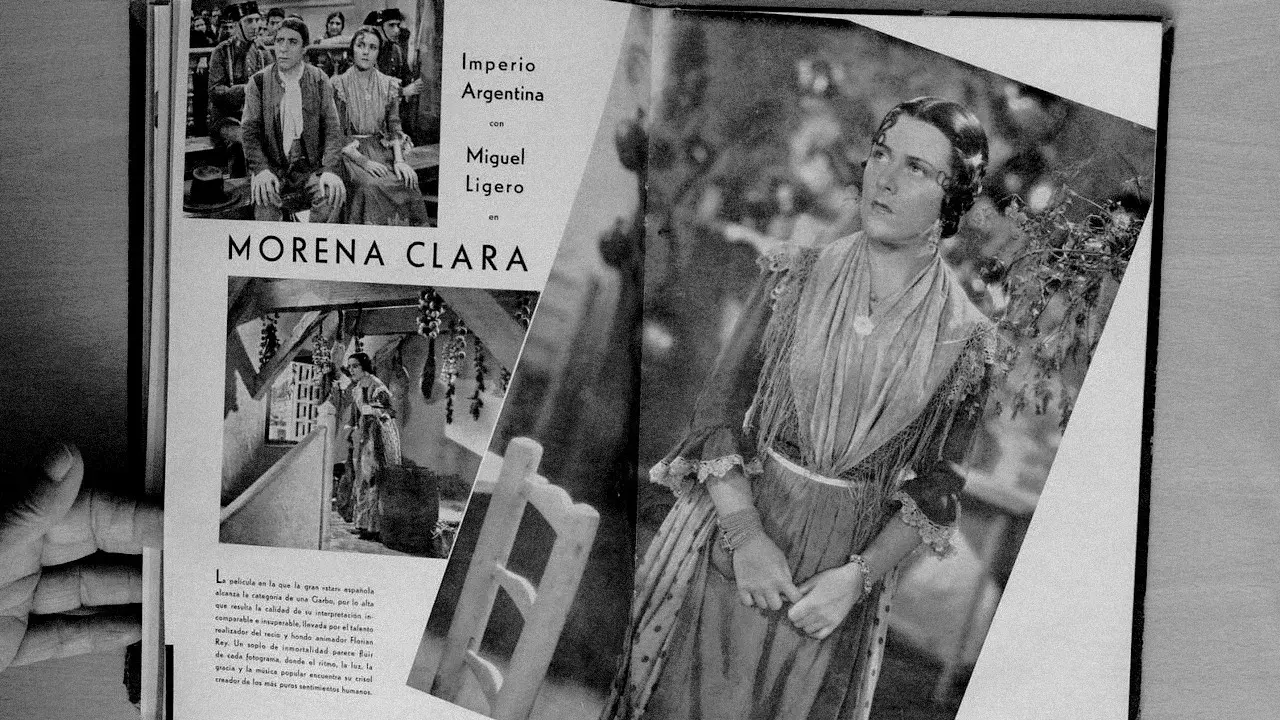

La Antorcha de los Éxitos: Cifesa (1932-1961)
Overview
The amazing story of Cifesa, a mythical film production company founded in Valencia by the Casanova family that managed to dominate the box office during the turbulent times of the Second Spanish Republic, the carnage of the Civil War and the hardships of the long post-war period and Franco's dictatorship — and survive until the sixties, when Spain was timidly beginning to change.
Top Cast

Antonio Esquivias
Self - Narrator (voice)

Emeterio Díez Puertas
Self - Film Historian
Luis Casanova Iranzo
Self - V. Casanova's Nephew
José Luis Castro de Paz
Self - Film Scholar
Virginia Guarinos
Self - Film Scholar
Jaime Hernández de la Torre
Self - Painter
Alfonso Gil
Self - Historian
Luis Fernández Gimeno
Self - Fallero
Vicente Sánchez Biosca
Self - Film Scholar
Fátima Gil Gascón
Self - Scholar
Pablo León Aguinaga
Self - Historian
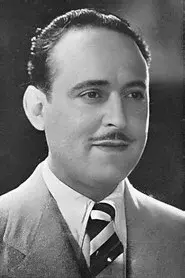
Fernando Fernández de Córdoba
Self - Actor (voice) (archive footage)
Key Film Crew
Production Stats
You May Also Like
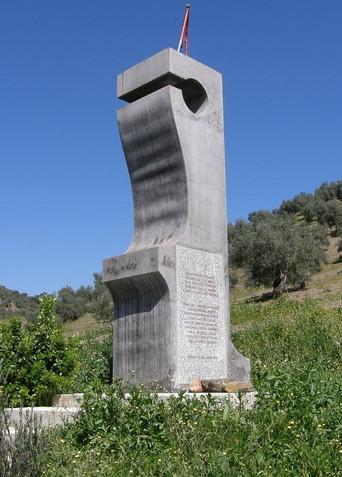

"El campo para el hombre" was a politically militant documentary about the small holdings of land in the north of Spain and the large estates in the south of the country. This film portrays the exploitation and misery of the Spanish peasants, but also their class-consciousness and their will to fight for their rights and freedom. The film was shot in the late years of Franco's dictatorship, so it was made in secrecy (the directors were connected to the Spanish Communist Party).
El campo para el hombre
A pro-Republican propaganda documentary made during the Spanish Civil War. It reports on the demonstration held in Barcelona on December 27, 1937 to commemorate the capture of Teruel by the Republican forces.
Teruel has Fallen



A portrait of film critic Carlos Boyero, one of the most followed and feared figures in Spanish cinema, surrounded by controversy and both love and hate.
The Critic

The intricate history of UFA, a film production company founded in 1917 that has survived the Weimar Republic, the Nazi regime, the Adenauer era and the many and tumultuous events of contemporary Germany, and has always been the epicenter of the German film industry.
100 Years of the UFA




A 2003 documentary study of mainstream Cyberpunk films of the 1980s created by director Andrew J. Holden. The film uses the structure of literary theorist Northrop Frye to describe the common, repeating stories in Western culture, and how Cyberpunk can be defined and understood according to that analysis, with a focus toward American film industry portrayal of race, gender, and government.