

Sur les traces des pharaons noirs
Overview
No overview summary available for this movie.
Key Film Crew
Production Stats
You May Also Like
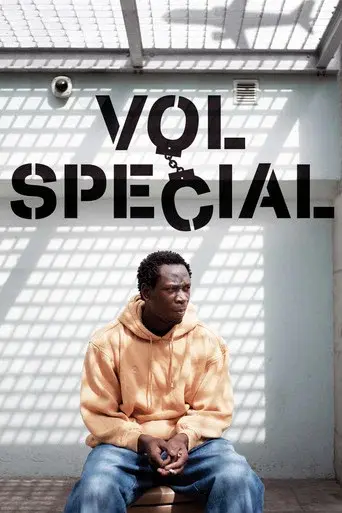
Switzerland still carries out special flights, where passengers, dressed in diapers and helmets, are chained to their seats for 40 hours at worst. They are accompanied by police officers and immigration officials. The passengers are flown to their native countries, where they haven't set foot in in up to twenty years, and where their lives might be in danger. Children, wives and work are left behind in Switzerland. Near Geneva, in Frambois prison, live 25 illegal immigrants waiting for deportation. They are offered an opportunity to say goodbye to their families and return to their native countries on a regular flight, escorted by plain-clothes police officers. If they refuse this offer, the special flight is arranged fast and unexpectedly. The stories behind the locked cells are truly heartbreaking.
Special Flight
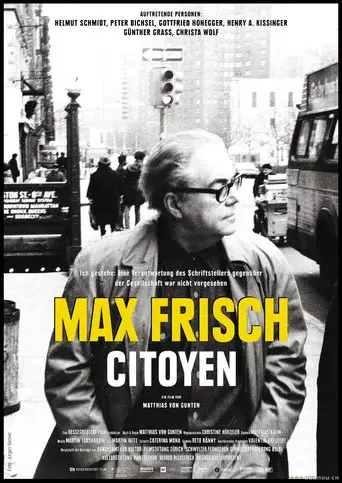
Max Frisch was the last big Swiss intellectual widely respected as a “voice” in its own right – a character hardly found today. The film retells Frisch’s story as a witness of the unfolding 20th century, wondering if such “voices” are needed at all, or if we could do without them.
Max Frisch, Citoyen
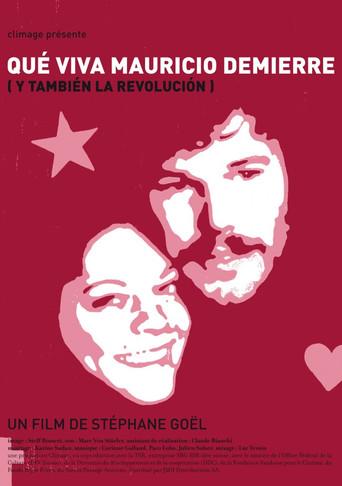


A touching and delicate portrait of four remarkable Ethiopian women, struggling with the poverty and insecurity of urban life in Addis Ababa.
Sweeping Addis

“Namibia Crossings” takes a trip through a country of archaic beauty and bizarre contradictions. The film creates polyphonies of soulful landscapes made up of each individual's highs and lows.
Namibia Crossings

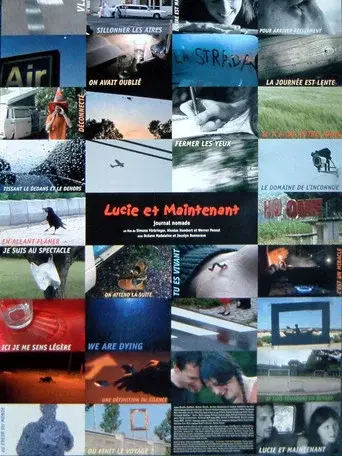
In May of 1982 Julio Cortázar, the Argentinean writer and his companion in life, Carol Dunlop set out in their VW bus on a journey along the highway from Paris to Marseille that, for each of them, was to be their final one. Twenty-five years later, Océane Madelaine and Jocelyn Bonnerave set out to undertake the journey again.
Lucie et Maintenant
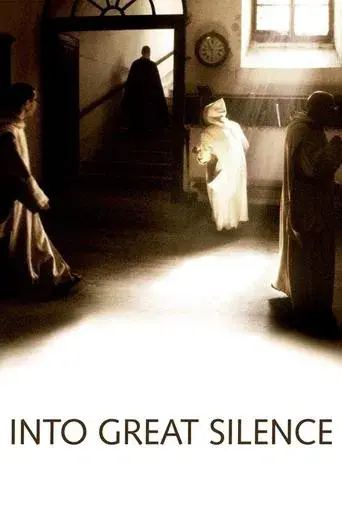
An intimate portrayal of the everyday lives of Carthusian monks of the Grande Chartreuse, high in the French Alps (Chartreuse Mountains). The idea for the film was proposed to the monks in 1984, but the Carthusians said they wanted time to think about it. The Carthusians finally contacted Gröning 16 years later to say they were now willing to permit Gröning to shoot the movie, if he was still interested.
Into Great Silence





For a month, filmmaker Dieter Gränicher lives in an institution, in the village community of the deaf. As an attentive and increasingly familiar observer, he gets closer and closer to the village's inhabitants, who often suffer from a variety of handicaps, as they go about their daily lives. The film tells the story of the nuances and vivacity of sign language. It portrays human beings who, with great expressive power, overcome the limitations imposed on them by their disability, deeply touching the person opposite.