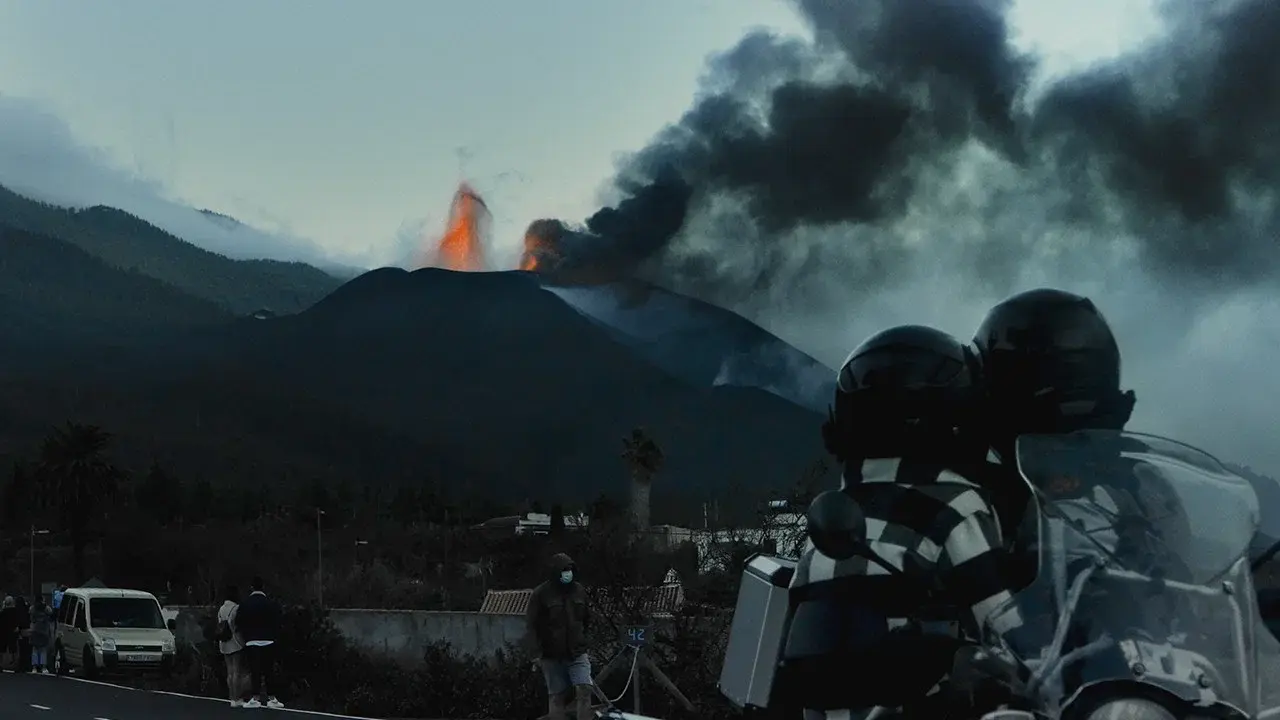

Igneous Journal or Chronology of a System Error
Original Title: “Diario ígneo o cronología de un system error”
“How do you film an erupting volcano?”
Overview
The 19th of September of 2021 the volcanic ridge of Cumbre Vieja, on the island of La Palma started erupting. This eruption lasted until the 13th of December of 2021. Lucía and two other filmmakers decided to travel and register the volcano. This is the journal of the first two days, based on the camera errors and casual conversations that were on the footage: Bad focus, being sleepy, journalists not knowing how to name the eruption, instagram, the crunch of Pringles fries, glutamato monosodico, the radio fluctuating between Prince and Elvis, selfies with the volcano, plans for illegal stuff and the seconds before a final system error.
Key Film Crew
Production Stats
You May Also Like
In the 6th century AD, large parts of the world were affected by mysterious weather events causing temperature drop, crop failures and famines. All this might be the result of a large volcanic eruption in the tropics. But can a local natural disaster impact the global weather, thus influencing the course of history? Using stunning re-enactments and unique animation techniques, “The Power of Volcanoes” makes it clear: Volcanoes might be sleeping giants. But they can wake up quicker than you think and in the worst case trigger a fatal chain of events.
The Power of Volcanoes

Ring of Fire is about the immense natural force of the great circle of volcanoes and seismic activity that rings the Pacific Ocean and the varied people and cultures who coexist with them. Spectacular volcanic eruptions are featured, including Mount St. Helens, Navidad in Chile, Sakurajima in Japan, and Mount Merapi in Indonesia.
Ring of Fire


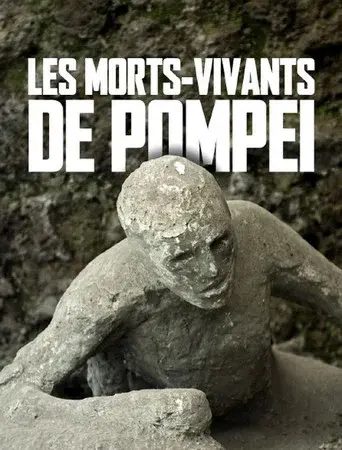
Restoration expert Giancarlo Napoli takes on the important task of saving 86 plaster casts of Pompeii citizens that were created by archaeologist Carlo Fiorelli in the 1860s.
Pompeii's Living Dead

Features volcano watches in Iceland from 1984-91, showing the country's highlands, Askja, Kverkjoll, Herdubreidarlindir, Sprengisandur, and Jokulsa Canyon. Presents Landmannalaugur and the popular trek from this Myvatn, Skaftafell, and glacier bursts from the Grimsvotn and Graenalon lakes. Depicts scenes of winter traveling in Iceland, Reykjavik, the Blue lagoon, Geysir hot spring, the site of Parliament in Thingvellir, and Kulusuk on the east coast of greenland. Includes the earthquake sequence that shook the island in September 1986 and sequences from the volcanic eruptions at Mount Hekla (1947-48, 1970, 1980-81, and 1991), Surtsey (1963-67) Heimaey Island (1973), Lake Myvatn (1975-84) and Grimsvotn Lake (1983).
Villi Knudsen's Iceland
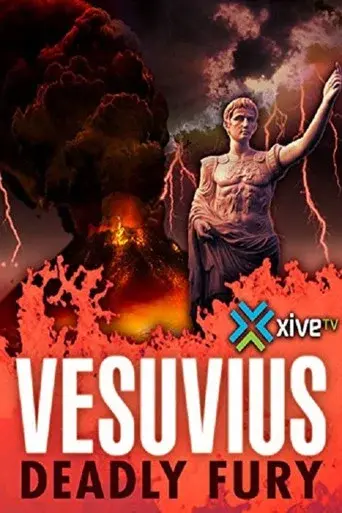
On the 24th August 79 AD, the eruption of Vesuvius eradicated the cities of Pompeii and Herculaneum. This extraordinary film uses visual effects and archaeological findings to chronicle the last 24 hours of Pompeii. Remains of 300 citizens trapped in beach-side crypts allow scientists to reconstruct local life in the First Century after Christ. Computer graphics recreate the scale of the eruption.
Vesuvius: Deadly Fury


A silent film featuring footage from the 1935 Mauna Loa eruption at Mokuʻāweoweo Crater and the 1942 Mauna Loa so-called "secret eruption" which was not publicized to prevent Japanese planes from navigating at night. There is also footage from Halema'uma'u Crater on Kīlauea from 1934. Filmed on 16mm Kodachrome, this is possibly the first color film of a volcanic eruption.
Mauna Loa Volcano

Five times, Earth has faced apocalyptic events that swept nearly all life from the face of the planet. What did these prehistoric creatures look like? What catastrophes caused their disappearance? And how did our distant ancestors survive and give rise to the world we know today?

