

Plan for Destruction
Overview
Plan for Destruction is a 1943 American short propaganda film directed by Edward Cahn. It looks at the Geopolitik ideas of the ex-World War I professor, General Karl Haushofer, who is portrayed as the head of a huge organization for gathering information of strategic value and the mastermind behind Adolf Hitler's wars and plans to enslave the world. The film was nominated for an Academy Award for Best Documentary Short.
Top Cast
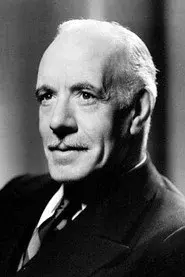
Lewis Stone
Commentator
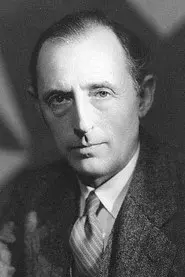
Frank Reicher
Karl Ernst Haushofer
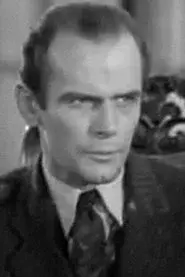
George Lynn
Rudolf Hess

Frederick Giermann
Nazi Radio Announcer
Key Film Crew
Production Stats
You May Also Like

In 1943, while the Allies are bombing Berlin and the Gestapo is purging the capital of Jews, a dangerous love affair blossoms between two women – one a Jewish member of the underground, the other an exemplar of Nazi motherhood.
Aimée & Jaguar

The Polish city of Łódź was under Nazi occupation for nearly the entirety of WWII. The segregation of the Jewish population into the ghetto, and the subsequent horrors are vividly chronicled via newsreels and photographs. The narration is taken almost entirely from journals and diaries of those who lived–and died–through the course of the occupation, with the number of different narrators diminishing as the film progresses, symbolic of the death of each narrator.
Łódź Ghetto

In 1944 Poland, a Jewish shop keeper named Jakob is summoned to ghetto headquarters after being caught out after curfew. While waiting for the German Kommondant, Jakob overhears a German radio broadcast about Russian troop movements. Returned to the ghetto, the shopkeeper shares his information with a friend and then rumors fly that there is a secret radio within the ghetto.
Jakob the Liar


The story of Operation Market Garden—a failed attempt by the allies in the latter stages of WWII to end the war quickly by securing three bridges in Holland allowing access over the Rhine into Germany. A combination of poor allied intelligence and the presence of two crack German panzer divisions meant that the final part of this operation (the bridge in Arnhem over the Rhine) was doomed to failure.
A Bridge Too Far
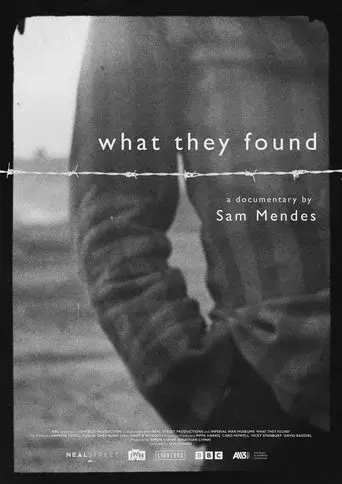
The story of two soldier-cameramen, Sgt Mike Lewis and Sgt Bill Lawrie, who witnessed the liberation of Belsen during the closing days of World War II.
What They Found
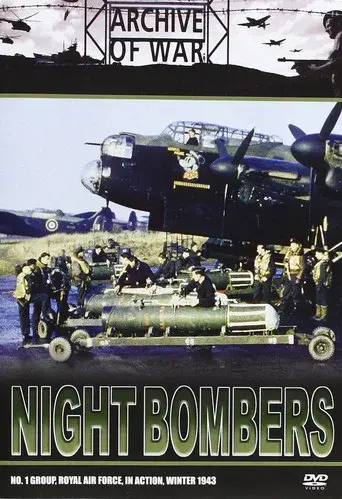
Recorded during World War II, this rare color film traces an RAF Bomber Command night attack on Berlin -- from strategic planning and preparation to the execution of the actual attack with Avro Lancaster bombers. Air Commodore H.I. Cozens filmed the events during a period when the Bomber Command flew into Germany nearly every night for a massive series of raids on key targets.
Night Bombers

Documentary video journey in search of the missing Tatar poet Rahim Sattar. The path from the present to the past runs through a polylogue of experts, folk music, works by contemporary artists, musical and creative interpretation of poems by Rahim Sattar and unique archival newsreels shot at the dawn of cinema.
Great Spirit

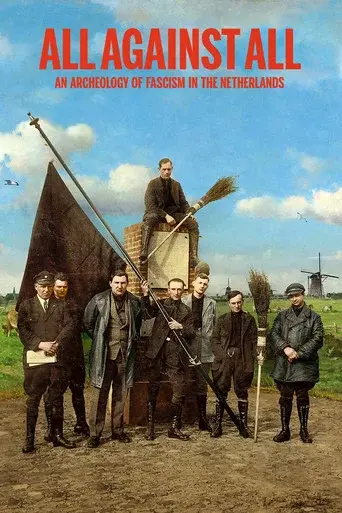
This richly illustrated historical documentary investigates the mechanism of nationalist feelings that radicalise. It shows how fascism was on the rise even a decade before the founding of the NSB, due to a number of anti-democratic initiatives led by a millionaire with a predilection for one-legged women, a market vendor, a cleric, and an artist. Historians, writers and collectors of fascist curios reveal how an initially marginal and fragmented movement grew into a radical populist party.
All Against All

This remarkable documentary dedicates itself to an extraordinary chapter of the second World War – the psychological warfare of the USA. America’s trusted cartoon darlings from the studios of Warner Bros., Paramount, and the “big animals” of the Disney family were supposed to give courage to the people at the homefront, to educate them, but also to simultaneously entertain them. Out of this mixture grew a genre of its own kind – political cartoons. Insightful Interviews with the animators and producers from back then elucidate in an amusing and astonishing way under which bizarre circumstances these films partially came into existence.
Cartoons Go To War

On March 21st, 1945, the British Royal Air Force set out on a mission to bomb Gestapo's headquarters in Copenhagen. The raid had fatal consequences as some of the bombers accidentally targeted a school and more than 120 people were killed, 86 of whom were children.
The Shadow in My Eye
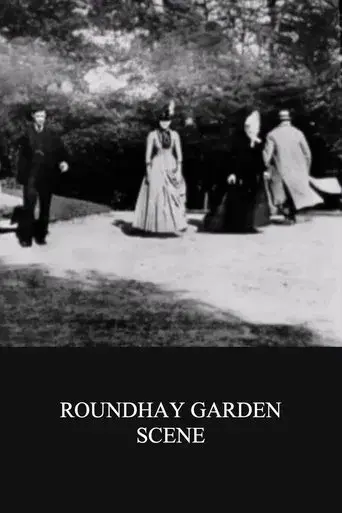
The earliest surviving motion-picture film, and believed to be one of the very first moving images ever created, was shot by Louis Aimé Augustin Le Prince using the LPCCP Type-1 MkII single-lens camera. It was taken on paper-based photographic film in the garden of Oakwood Grange, the Whitley family house in Roundhay, Leeds, West Riding of Yorkshire (UK), on 14 October 1888. The film shows Adolphe Le Prince (Le Prince’s son), Mrs. Sarah Whitley (Le Prince’s mother-in-law), Joseph Whitley, and Miss Harriet Hartley walking around in circles, laughing to themselves, and staying within the area framed by the camera. Roundhay Garden Scene is often associated with a recording speed of around 12 frames per second and runs for about 2 to 3 seconds.
Roundhay Garden Scene
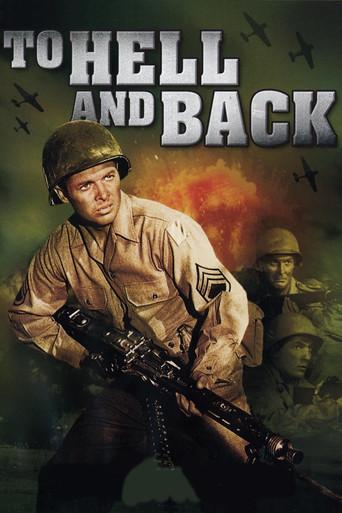
The true WWII story of Audie Murphy, the most decorated soldier in U.S. history. Based on the autobiography of Audie Murphy who stars as himself in the film.
To Hell and Back
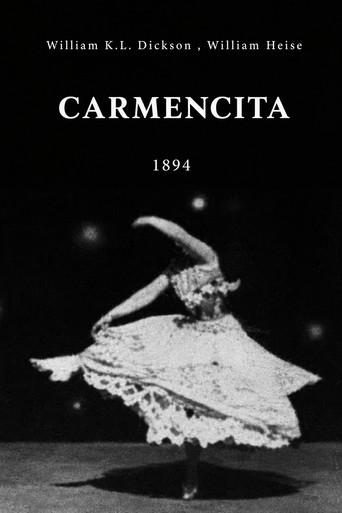
The first woman to appear in front of an Edison motion picture camera and possibly the first woman to appear in a motion picture within the United States. In the film, Carmencita is recorded going through a routine she had been performing at Koster & Bial's in New York since February 1890.
Carmencita
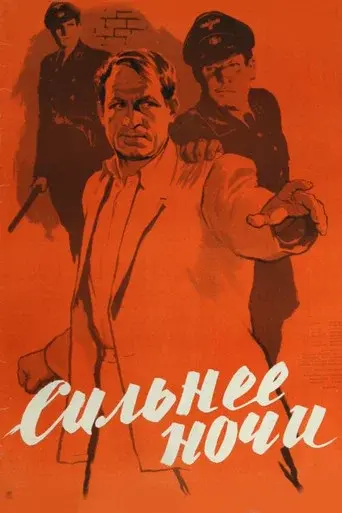
The story of a resistance fighter in the Nazi era: Communist Hans Löning was arrested in 1933, imprisoned in a concentration camp and tortured. The Gestapo plans to smash the resistance group around Löning. Despite the imminent threat to his life, Löning, together with his wife, organized the passive resistance of the Hamburg workers against the Hitler regime. In 1944, Löning was again taken and killed.